
与尼罗三角洲中牛分枝杆菌毒力分离株出现相关的基因组多态性。
Genomic Polymorphism Associated with the Emergence of Virulent Isolates of Mycobacterium bovis in the Nile Delta.
机构信息
Department of Pathobiological Sciences, University of Wisconsin-Madison, Madison, WI, USA.
Department of Ecosystem Science and Management, Texas A&M University, College Station, TX, USA.
出版信息
Sci Rep. 2019 Aug 12;9(1):11657. doi: 10.1038/s41598-019-48106-3.
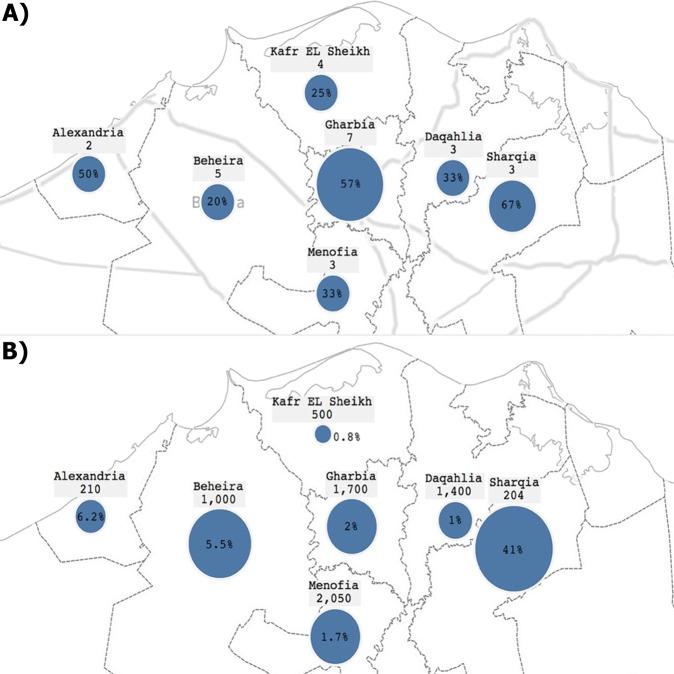
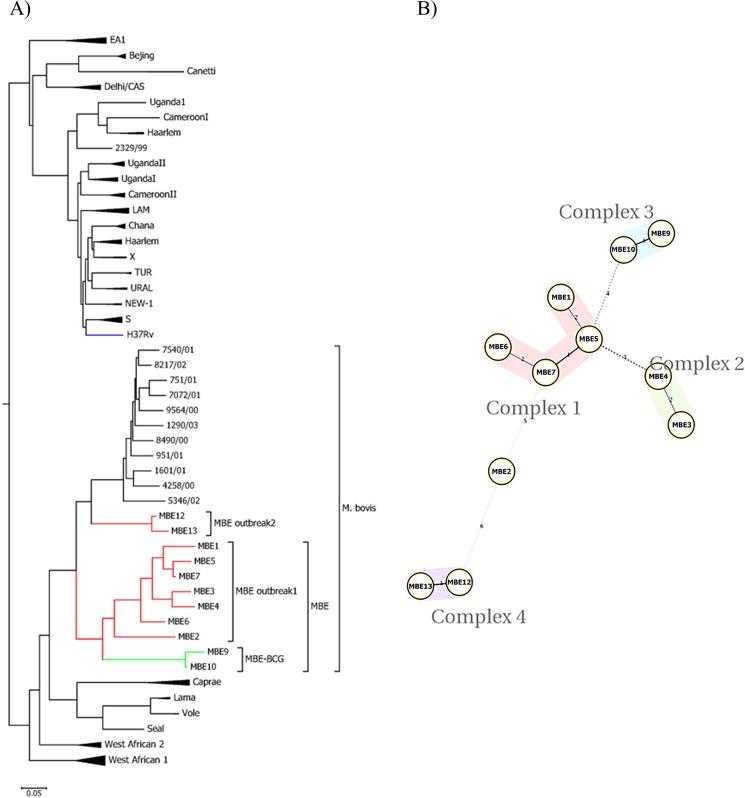
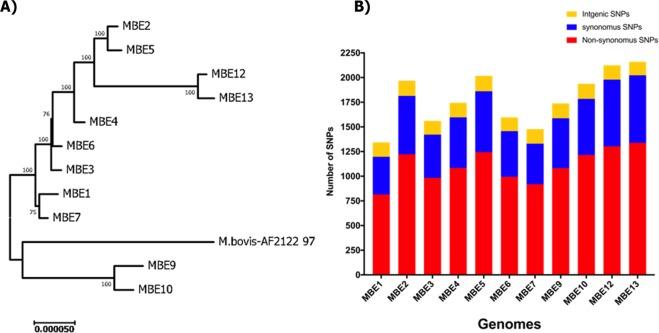
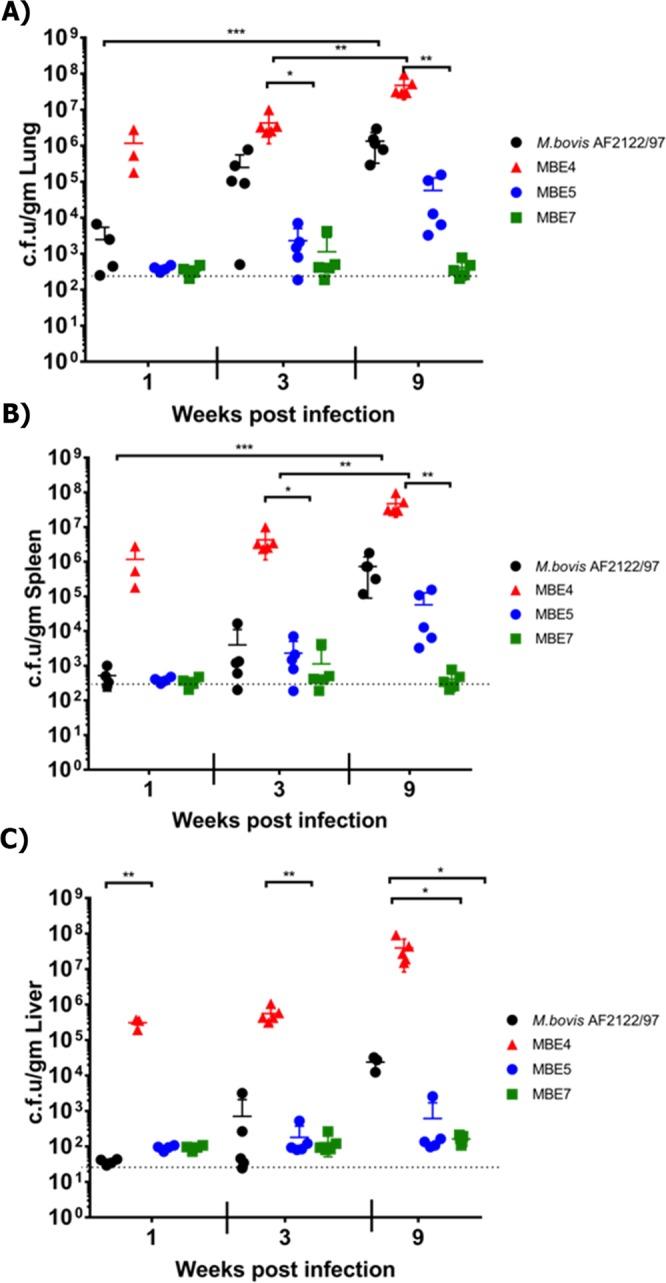
Mycobacterium bovis is responsible for bovine tuberculosis in both animals and humans. Despite being one of the most important global zoonotic disease, data related to the ecology and pathogenicity of bovine tuberculosis is scarce, especially in developing countries. In this report, we examined the dynamics of M. bovis transmission among dairy cattle in the Nile Delta of Egypt. Animals belonging to 27 herds from 7 governorates were tested by the Single Intradermal Comparative Skin Tuberculin (SICST), as a preliminary screen for the presence of bovine tuberculosis. Positive SICST reactors were identified in 3% of the animals spread among 40% of the examined herds. Post-mortem examination of slaughtered reactors confirmed the presence of both pulmonary and/or digestive forms of tuberculosis in > 50% of the examined animals. Targeted and whole-genome analysis of M. bovis isolates indicated the emergences of a predominant spoligotype (SB0268) between 2013-2015, suggesting a recent clonal spread of this isolate within the Nile Delta. Surprisingly, 2 isolates belonged to M. bovis BCG group, which are not allowed for animal vaccination in Egypt, while the rest of isolates belonged to the virulent M. bovis clonal complex European 2 present in Latin America and several European countries. Analysis of strain virulence in the murine model of tuberculosis indicated the emergence of a more virulent strain (MBE4) with a specific genotype. More analysis is needed to understand the molecular basis for successful spread of virulent isolates of bovine tuberculosis among animals and to establish genotype/phenotype association.
牛分枝杆菌是导致动物和人类牛型结核的病原体。尽管它是最重要的全球性人畜共患病之一,但有关牛型结核的生态学和致病性的数据仍然很少,尤其是在发展中国家。在本报告中,我们研究了埃及尼罗河三角洲奶牛中牛分枝杆菌传播的动态。来自 7 个省的 27 个牛群的动物通过单皮内比较结核菌素(SICST)进行了测试,作为牛型结核存在的初步筛查。在 40%的检查牛群中,有 3%的动物呈 SICST 阳性反应。对屠宰阳性反应动物的尸检证实,在检查的动物中,超过 50%的动物同时患有肺和/或消化道结核。对牛分枝杆菌分离株的靶向和全基因组分析表明,2013-2015 年间出现了一种主要的 spoligotype(SB0268),表明该分离株在尼罗河三角洲内最近发生了克隆传播。令人惊讶的是,有 2 个分离株属于牛分枝杆菌卡介苗群,而埃及不允许将其用于动物接种,其余分离株属于在拉丁美洲和几个欧洲国家流行的毒力强的 M. bovis 克隆复合物欧洲 2。在结核病的小鼠模型中对菌株毒力的分析表明,出现了一种具有特定基因型的更毒力的菌株(MBE4)。需要进一步的分析来了解毒力强的牛型结核分离株在动物中成功传播的分子基础,并建立基因型/表型相关性。




 Zotero 插件