
生物发光闪烁驱动闪光鱼的夜间洄游行为和同步游泳动力学。
Bioluminescent flashes drive nighttime schooling behavior and synchronized swimming dynamics in flashlight fish.
机构信息
Department of Natural Sciences, City University of New York, Baruch College, New York, New York, United States of America.
PhD Program in Biology, The Graduate Center, City University of New York, New York, New York, United States of America.
出版信息
PLoS One. 2019 Aug 14;14(8):e0219852. doi: 10.1371/journal.pone.0219852. eCollection 2019.
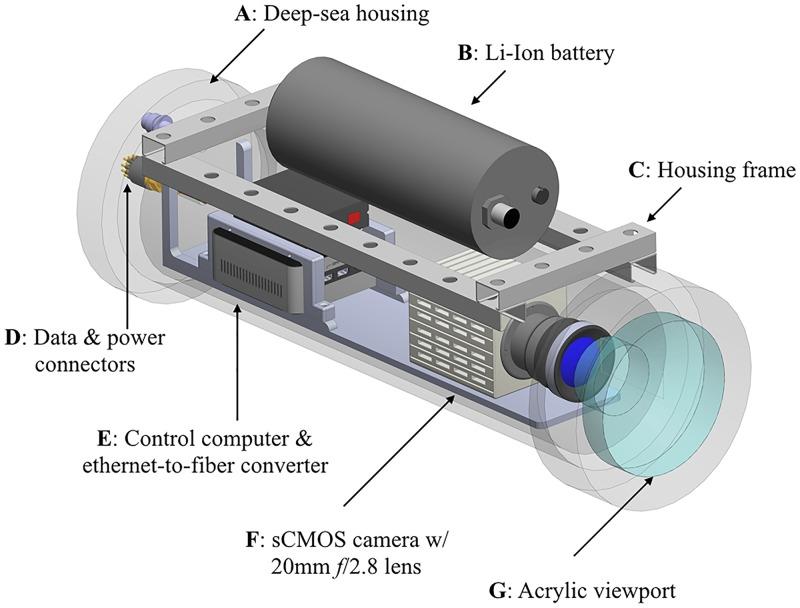
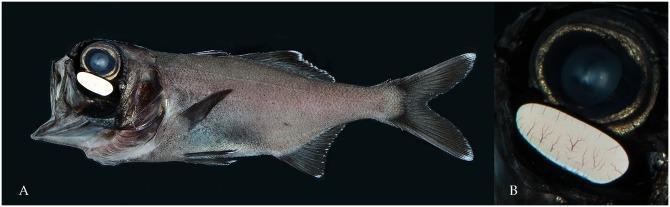
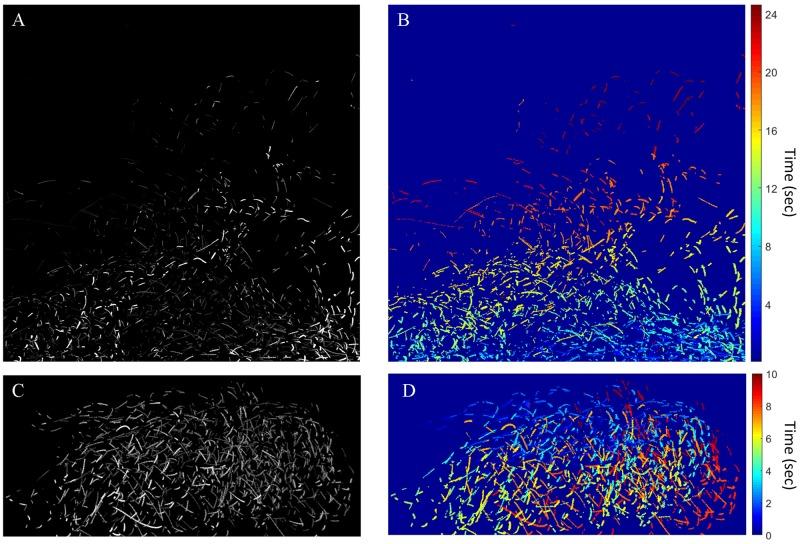
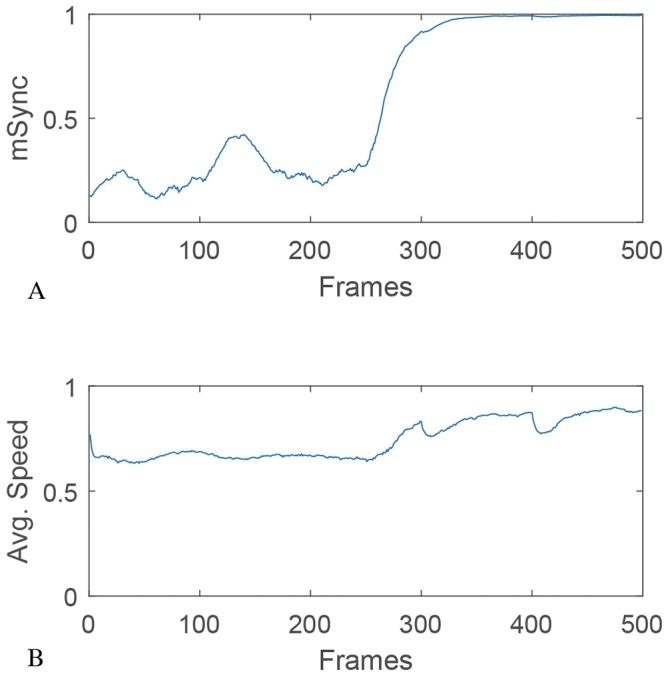
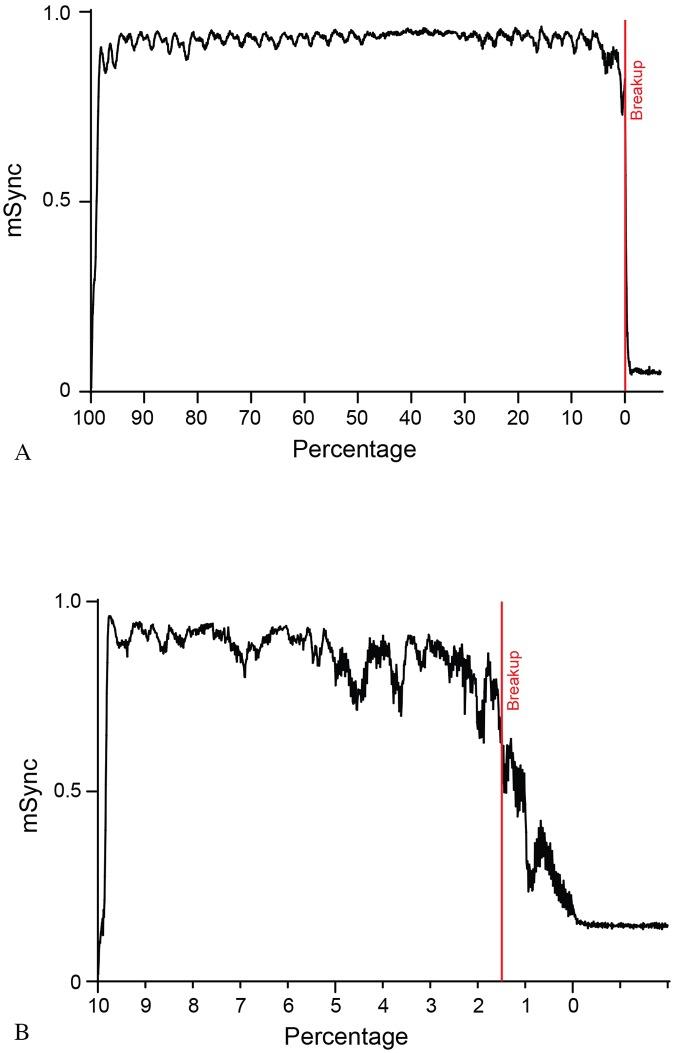
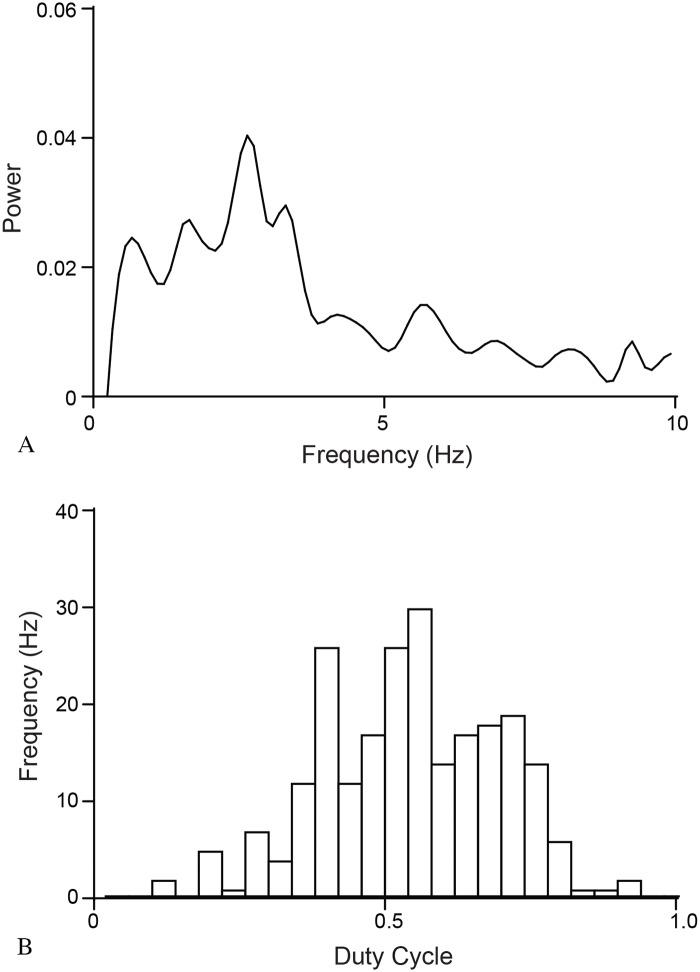
Schooling fishes, like flocking birds and swarming insects, display remarkable behavioral coordination. While over 25% of fish species exhibit schooling behavior, nighttime schooling has rarely been observed or reported. This is due to vision being the primary modality for schooling, which is corroborated by the fact that most fish schools disperse at critically low light levels. Here we report on a large aggregation of the bioluminescent flashlight fish Anomalops katoptron that exhibited nighttime schooling behavior during multiple moon phases, including the new moon. Data were recorded with a suite of low-light imaging devices, including a high-speed, high-resolution scientific complementary metal-oxide-semiconductor (sCMOS) camera. Image analysis revealed nighttime schooling using synchronized bioluminescent flashing displays, and demonstrated that school motion synchrony exhibits correlation with relative swim speed. A computer model of flashlight fish schooling behavior shows that only a small percentage of individuals need to exhibit bioluminescence in order for school cohesion to be maintained. Flashlight fish schooling is unique among fishes, in that bioluminescence enables schooling in conditions of no ambient light. In addition, some members can still partake in the school while not actively exhibiting their bioluminescence. Image analysis of our field data and model demonstrate that if a small percentage of fish become motivated to change direction, the rest of the school follows. The use of bioluminescence by flashlight fish to enable schooling in shallow water adds an additional ecological application to bioluminescence and suggests that schooling behavior in mesopelagic bioluminescent fishes may be also mediated by luminescent displays.
鱼类的群体洄游行为与鸟类的集群和昆虫的蜂拥行为类似,都表现出了显著的行为协调性。尽管超过 25%的鱼类表现出群体洄游行为,但夜间群体洄游行为却很少被观察到或报道。这是因为鱼类的群体洄游主要依赖视觉,这一事实得到了证实,即在临界低光水平下,大多数鱼类群体就会分散。在这里,我们报告了一个大规模的生物发光闪光鱼 Anomalops katoptron 聚集群体,该群体在多个月相(包括新月)期间表现出夜间群体洄游行为。使用一系列低光成像设备(包括高速、高分辨率科学互补金属氧化物半导体(sCMOS)相机)记录了数据。图像分析揭示了夜间群体洄游行为是通过同步生物发光闪烁显示来实现的,并且表明学校运动同步与相对游泳速度相关。闪光鱼群体洄游行为的计算机模型表明,只需一小部分个体发出生物发光,就可以维持群体的凝聚力。在鱼类中,闪光鱼的群体洄游行为是独特的,因为生物发光使它们能够在没有环境光的条件下进行群体洄游。此外,一些成员即使没有主动发光,也仍然可以参与群体。我们对野外数据和模型的图像分析表明,如果一小部分鱼类有改变方向的动机,那么其余的鱼类也会跟随。闪光鱼利用生物发光在浅水区进行群体洄游,这为生物发光增加了一个额外的生态应用,并表明中上层海洋生物发光鱼类的群体洄游行为也可能受到发光显示的影响。



 Zotero 插件