
组蛋白去乙酰化酶抑制剂对癌基因转化的E1A+Ras细胞中FoxO活性的时间依赖性调节
Time-dependent modulation of FoxO activity by HDAC inhibitor in oncogene-transformed E1A+Ras cells.
作者信息
Morshneva Alisa, Gnedina Olga, Svetlikova Svetlana, Pospelov Valery, Igotti Maria
机构信息
Institute of Cytology, Russian Academy of Sciences, St. Petersburg, Russia.
出版信息
AIMS Genet. 2018 Feb 8;5(1):41-52. doi: 10.3934/genet.2018.1.41. eCollection 2018.
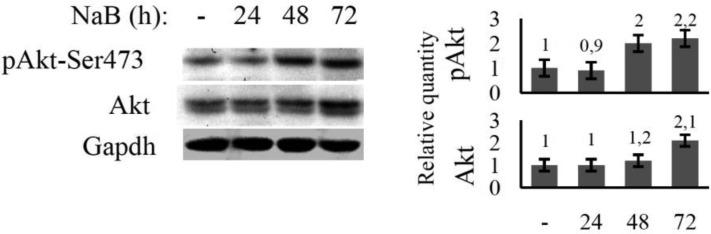
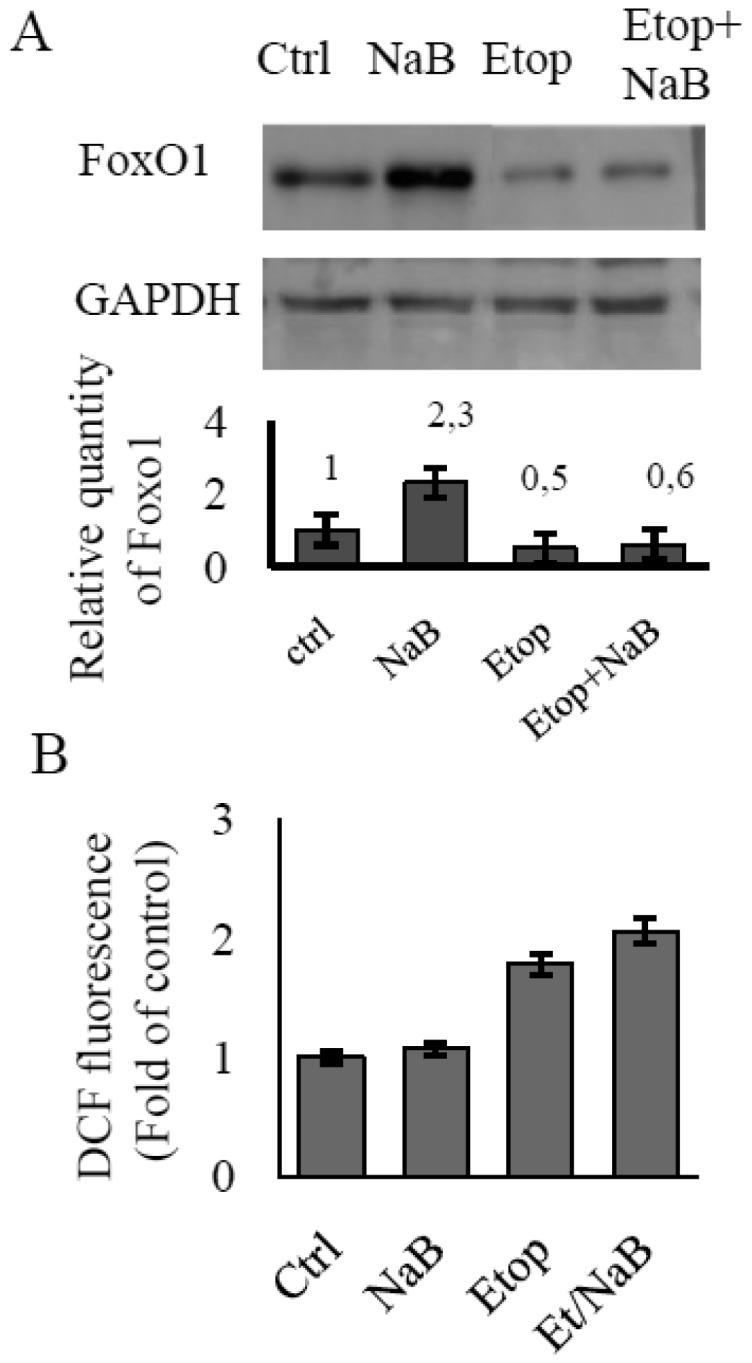
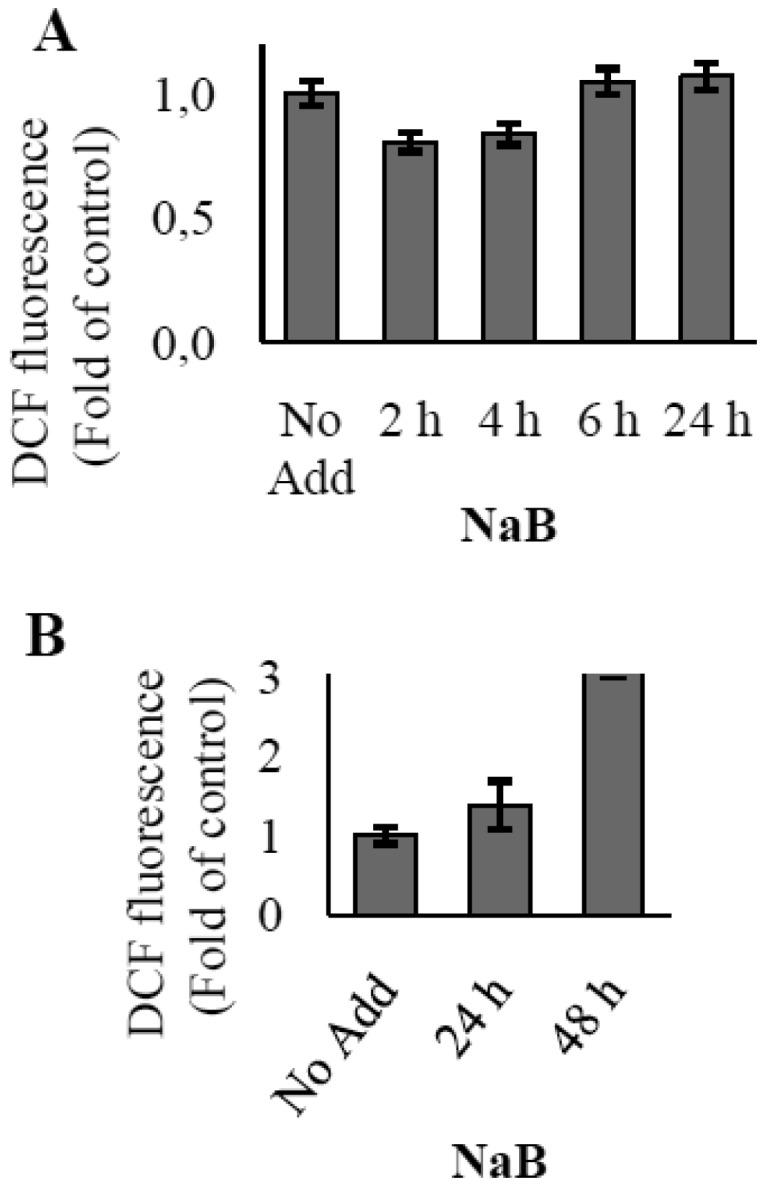
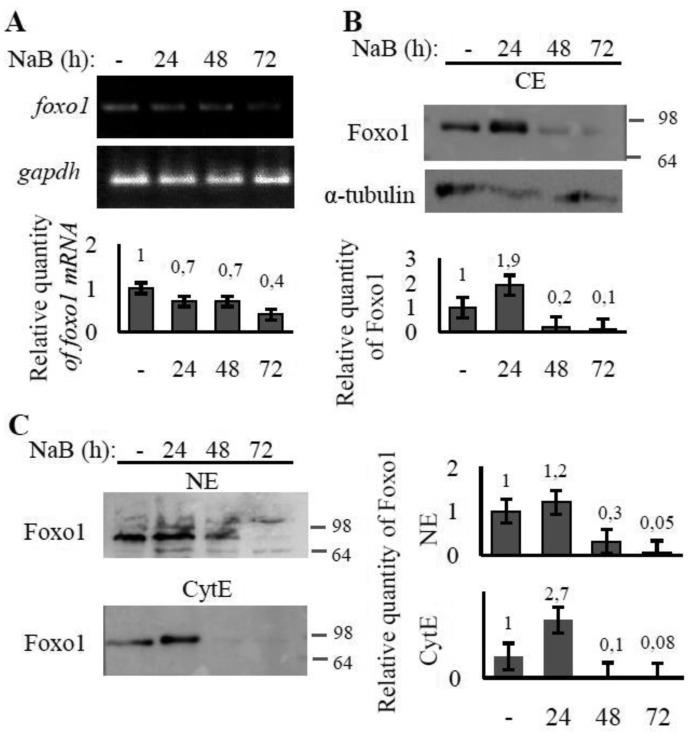
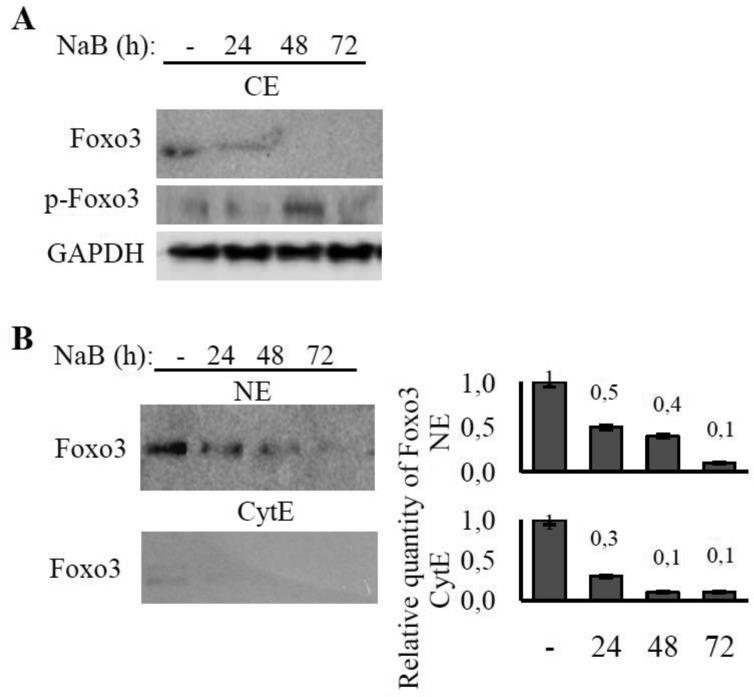
HDAC inhibitors (HDACIs) induce irreversible cell cycle arrest and senescence in mouse embryonic fibroblasts transformed with E1A and c-Ha-Ras oncogenes (E1A+Ras cell line). The aging rate has been associated with the production of high levels of Reactive Oxygen Species (ROS). Specific increases of ROS level have been demonstrated as potentially critical for induction and maintenance of cell senescence process. It's known that HDACs regulate the ROS-dependent FoxO factors, which are responsible for cell growth, proliferation, and longevity. The characteristic ROS increase during aging may be responsible for the decreased HDAC activity, which facilitates the senescent-like phenotype. The objective of this study was to investigate the impact of FoxO transcription factors on HDACIs-induced senescence of E1A+Ras oncogenes transformed cells. This study shows the specific time-dependent effect of HDACI sodium butyrate treatment on FoxO proteins in E1A+Ras cells. Indeed, short-term treatment with NaB results in FoxO activation, which takes place through nuclear translocation, and accompanied by accumulation of such ROS scavengers as MnSOD and SOD2. However, prolonged treatment leads to extensive FoxO degradation and increased intracellular levels of ROS. This degradation is connected with NaB-induced activation of Akt kinase. All of these findings establish that one of the possible mechanism involved in NaB-induced senescence of transformed cells is mediated through down-regulation of FoxO transcription factors and ROS accumulation.
组蛋白去乙酰化酶抑制剂(HDACIs)可诱导用E1A和c-Ha-Ras癌基因转化的小鼠胚胎成纤维细胞(E1A+Ras细胞系)发生不可逆的细胞周期停滞和衰老。衰老速率与高水平活性氧(ROS)的产生有关。ROS水平的特异性升高已被证明对细胞衰老过程的诱导和维持具有潜在的关键作用。已知HDACs可调节依赖ROS的FoxO因子,这些因子负责细胞生长、增殖和寿命。衰老过程中ROS的特征性增加可能是HDAC活性降低的原因,这促进了衰老样表型。本研究的目的是探讨FoxO转录因子对HDACIs诱导的E1A+Ras癌基因转化细胞衰老的影响。本研究显示了HDACI丁酸钠处理对E1A+Ras细胞中FoxO蛋白的特定时间依赖性作用。事实上,用NaB进行短期处理会导致FoxO激活,这是通过核转位发生的,并伴随着MnSOD和SOD2等ROS清除剂的积累。然而,长时间处理会导致FoxO广泛降解和细胞内ROS水平升高。这种降解与NaB诱导的Akt激酶激活有关。所有这些发现表明,NaB诱导转化细胞衰老的一种可能机制是通过下调FoxO转录因子和ROS积累介导的。

 Zotero 插件