
从……根部分离出的2-十二烷基-6-甲氧基环己-2,5-二烯-1,4-二酮通过抑制TLR4/MyD88/NF-κB通路改善糖尿病肾病。
2-dodecyl-6-methoxycyclohexa-2,5-diene-1,4-dione isolated from . root ameliorates diabetic nephropathy by inhibiting the TLR4/MyD88/NF-κB pathway.
作者信息
Lu Shunyu, Zhang Hongliang, Wei Xiaojie, Huang Xiang, Chen Lixiu, Jiang Luhui, Wu Xingchun, Zhou Xing, Qin Luhui, Li Yuchun, Lin Xing, Huang Renbin
机构信息
Pharmaceutical College, Guangxi Medical University, Nanning, Guangxi, People's Republic of China.
出版信息
Diabetes Metab Syndr Obes. 2019 Aug 7;12:1355-1363. doi: 10.2147/DMSO.S209436. eCollection 2019.
BACKGROUND
is a traditional medicinal herb that has long been used to treat diabetes. Our previous studies found that 2-dodecyl-6-methoxycyclohexa-2,5-diene-1,4-dione (DMDD) isolated from . roots could ameliorate diabetic nephropathy (DN), but its exact mechanism remains unclear.
METHODS
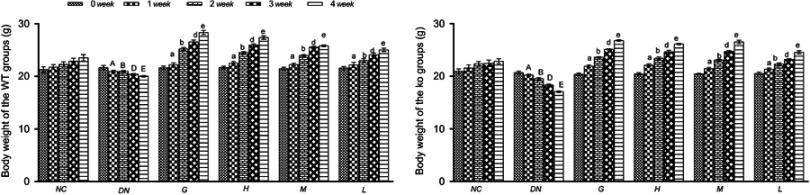
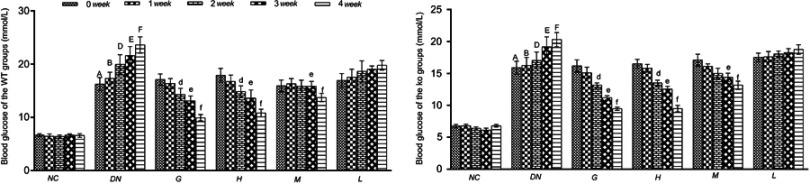
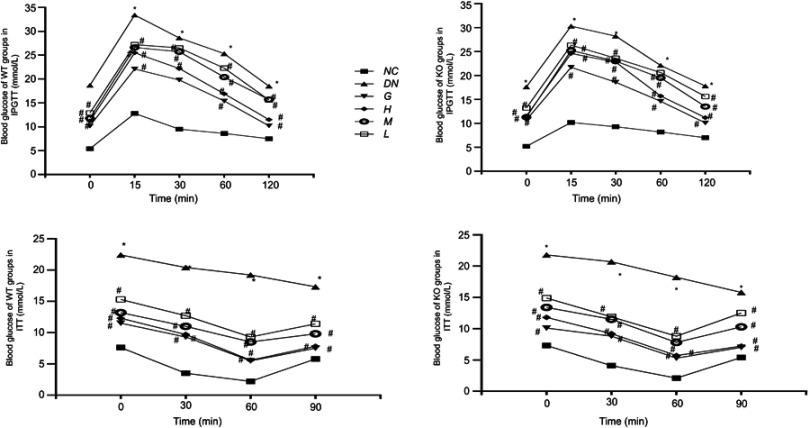
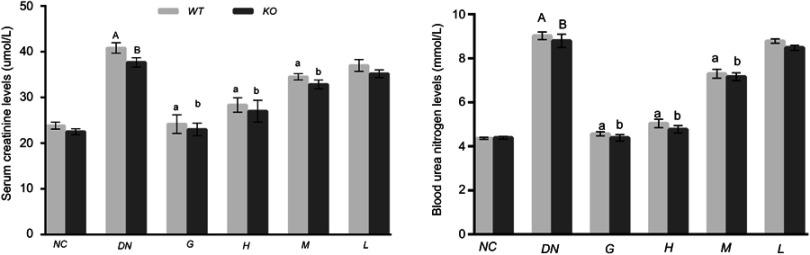
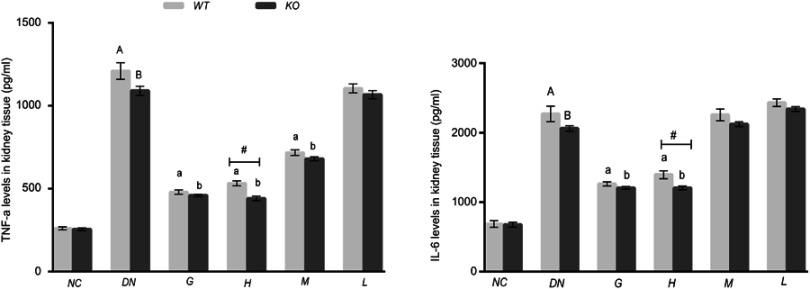
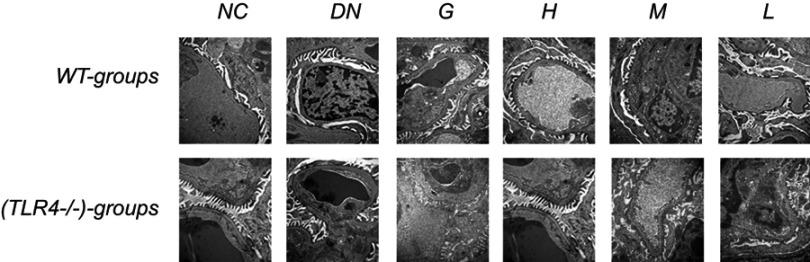
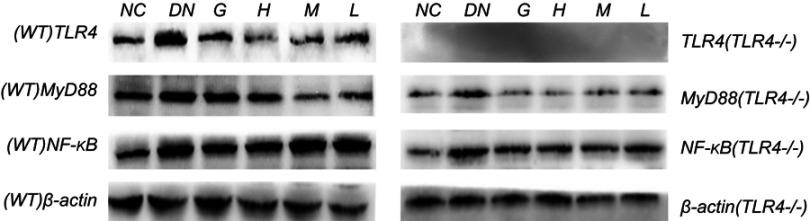
A DN model was established by streptozotocin (STZ, 100 mg/kg body weight) in TLR4 knockout (TLR4-/-, KO) mice and wild-type (WT) mice. Body weight and blood glucose were evaluated after oral administration of DMDD (12.5, 25, 50 mg/kg body weight/d) in diabetic mice. The levels of serum lipids, including TC, TG, HDL, and LDL and kidney function indexes Scr and BUN, were detected by biochemical equipment. The levels of inflammatory cytokines including IL-6 and TNF-α, were determined by ELISA kits. Furthermore, changes in renal ultrastructure were observed by electron microscopy. Western blot analysis and RT-PCR were used to assess the protein expression and mRNA levels of TLR4, MyD88 and NF-κB.
RESULTS
DMDD treatment attenuated diabetic nephropathy, as a result of a decline in blood glucose, serum creatinine, and blood urine nitrogen levels and an increase in the quantity and density of podocytes, combined with improved dyslipidaemia. DMDD treatment inhibited the inflammatory response and downregulated the expression of the TLR4/MyD88/NF-κB pathway in diabetic mice, and these changes were significantly different in TLR4-/- mice.
CONCLUSION
DMDD alleviates diabetic nephropathy by mitigating kidney damage and inflammation via the inhibition of the TLR4/MyD88/NF-κB signalling pathway.
背景
是一种长期用于治疗糖尿病的传统草药。我们之前的研究发现,从其根部分离出的2-十二烷基-6-甲氧基环己-2,5-二烯-1,4-二酮(DMDD)可改善糖尿病肾病(DN),但其确切机制仍不清楚。
方法
通过链脲佐菌素(STZ,100mg/kg体重)在TLR4基因敲除(TLR4-/-,KO)小鼠和野生型(WT)小鼠中建立DN模型。给糖尿病小鼠口服DMDD(12.5、25、50mg/kg体重/天)后评估体重和血糖。用生化设备检测血清脂质水平,包括总胆固醇(TC)、甘油三酯(TG)、高密度脂蛋白(HDL)和低密度脂蛋白(LDL)以及肾功能指标血肌酐(Scr)和血尿素氮(BUN)。用ELISA试剂盒测定包括白细胞介素-6(IL-6)和肿瘤坏死因子-α(TNF-α)在内的炎症细胞因子水平。此外,通过电子显微镜观察肾脏超微结构的变化。采用蛋白质印迹分析和逆转录-聚合酶链反应(RT-PCR)评估TLR4、髓样分化因子88(MyD88)和核因子κB(NF-κB)的蛋白表达和mRNA水平。
结果
DMDD治疗减轻了糖尿病肾病,表现为血糖、血清肌酐和血尿氮水平下降,足细胞数量和密度增加,同时血脂异常得到改善。DMDD治疗抑制了糖尿病小鼠的炎症反应并下调了TLR4/MyD88/NF-κB通路的表达,而这些变化在TLR4-/-小鼠中差异显著。
结论
DMDD通过抑制TLR4/MyD88/NF-κB信号通路减轻肾脏损伤和炎症,从而缓解糖尿病肾病。



 Zotero 插件