
冠状病毒基因组 RNA 包装。
Coronavirus genomic RNA packaging.
机构信息
Wadsworth Center, New York State Department of Health, Albany, NY, 12201, United States.
出版信息
Virology. 2019 Nov;537:198-207. doi: 10.1016/j.virol.2019.08.031. Epub 2019 Aug 30.
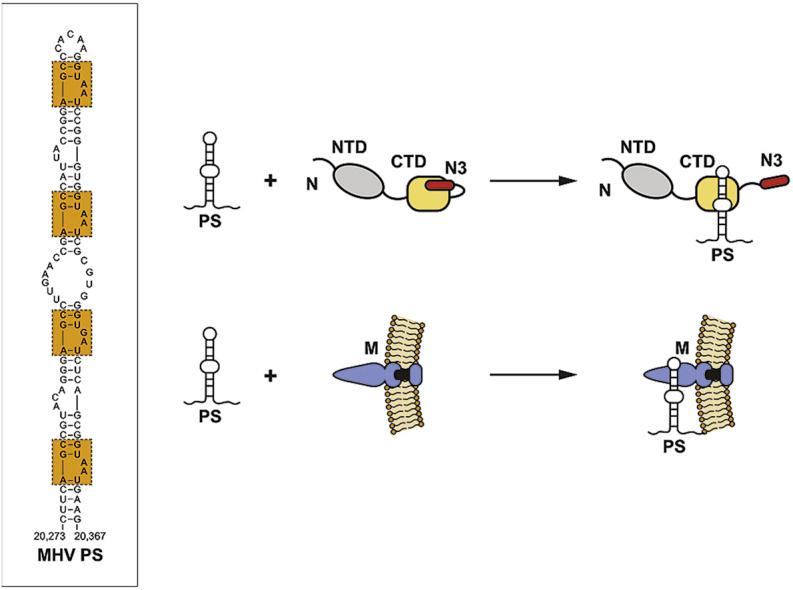
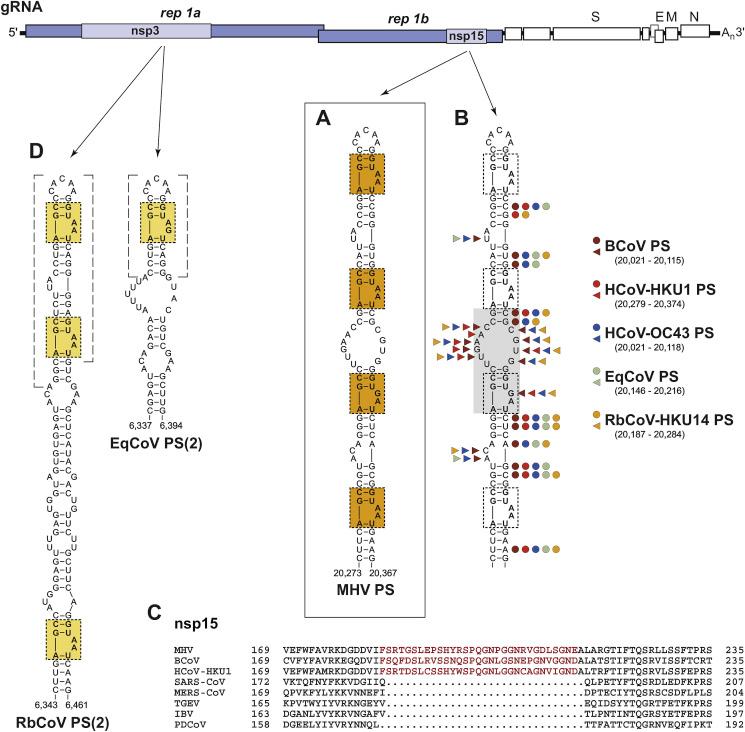
RNA viruses carry out selective packaging of their genomes in a variety of ways, many involving a genomic packaging signal. The first coronavirus packaging signal was discovered nearly thirty years ago, but how it functions remains incompletely understood. This review addresses the current state of knowledge of coronavirus genome packaging, which has mainly been studied in two prototype species, mouse hepatitis virus and transmissible gastroenteritis virus. Despite the progress that has been made in the mapping and characterization of some packaging signals, there is conflicting evidence as to whether the viral nucleocapsid protein or the membrane protein plays the primary role in packaging signal recognition. The different models for the mechanism of genomic RNA packaging that have been prompted by these competing views are described. Also discussed is the recent exciting discovery that selective coronavirus genome packaging is critical for in vivo evasion of the host innate immune response.
RNA 病毒通过多种方式进行基因组的选择性包装,其中许多涉及基因组包装信号。第一个冠状病毒包装信号在近三十年前被发现,但它的功能仍不完全清楚。本综述讨论了冠状病毒基因组包装的最新知识,主要在两种模式种,鼠肝炎病毒和传染性胃肠炎病毒中进行了研究。尽管在一些包装信号的定位和特征描述方面已经取得了进展,但关于病毒核衣壳蛋白还是膜蛋白在包装信号识别中起主要作用,仍存在相互矛盾的证据。根据这些相互竞争的观点,描述了基因组 RNA 包装机制的不同模型。还讨论了最近令人兴奋的发现,即选择性冠状病毒基因组包装对于体内逃避宿主先天免疫反应至关重要。




 Zotero 插件