
分子杂交作为设计针对神经退行性疾病的多靶标导向药物候选物的工具。
Molecular Hybridization as a Tool in the Design of Multi-target Directed Drug Candidates for Neurodegenerative Diseases.
机构信息
PeQuiM-Laboratory of Research in Medicinal Chemistry, Institute of Chemistry, Federal University of Alfenas, 37133-840, Brazil.
Programa de Pós-Graduação em Ciências Farmacêuticas, Federal University of Alfenas, 37133-840, Brazil.
出版信息
Curr Neuropharmacol. 2020;18(5):348-407. doi: 10.2174/1385272823666191021124443.
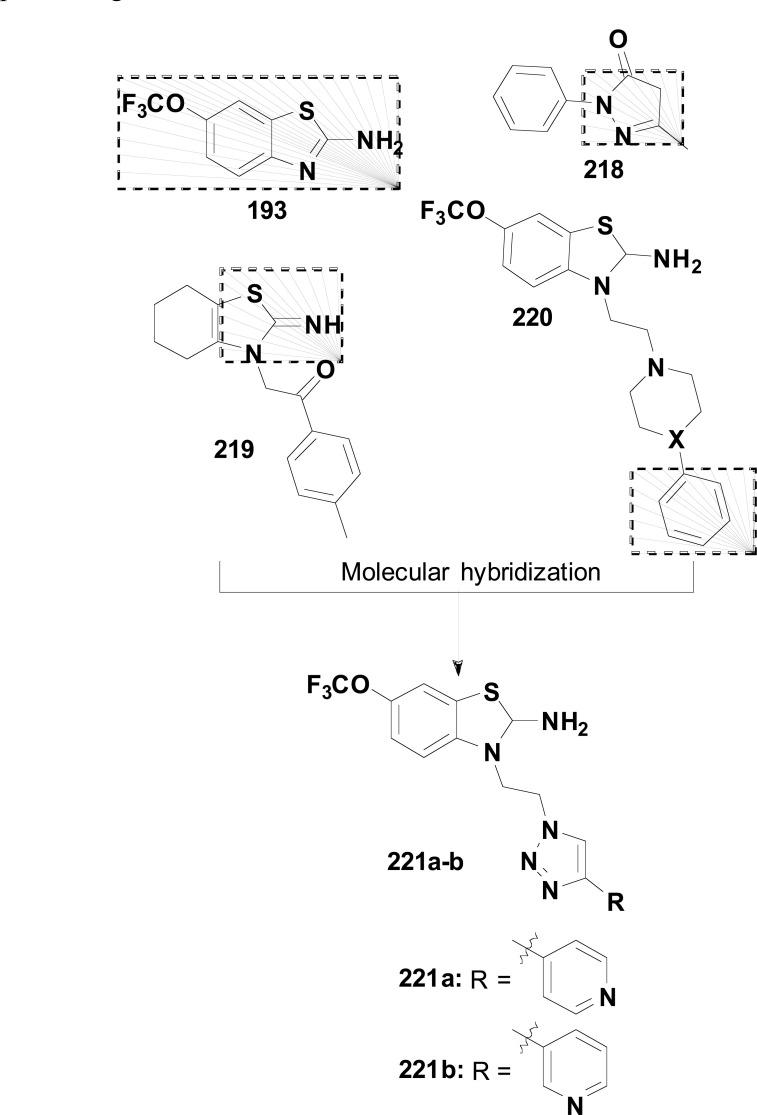
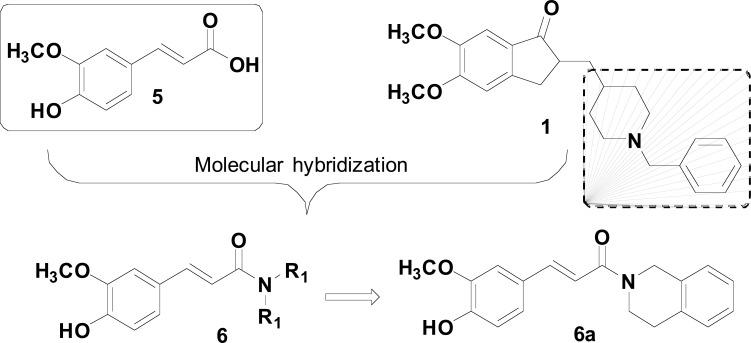
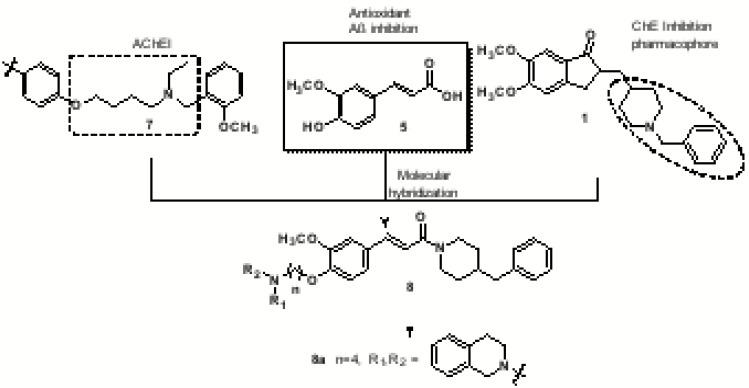
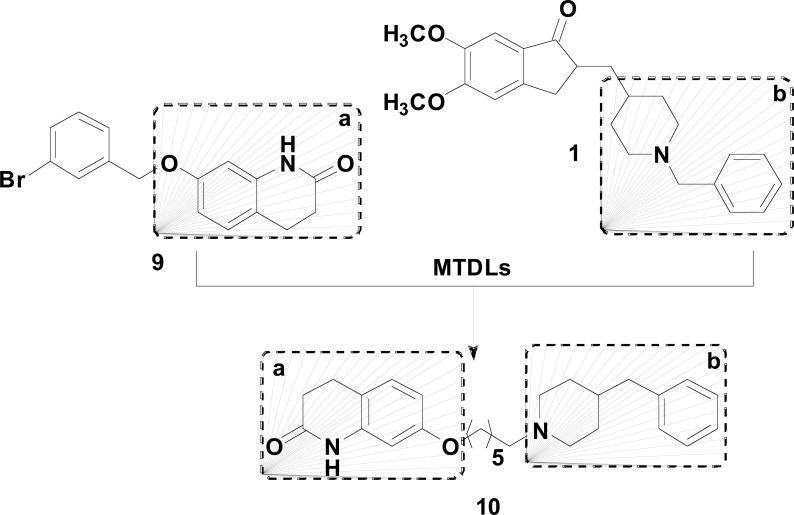
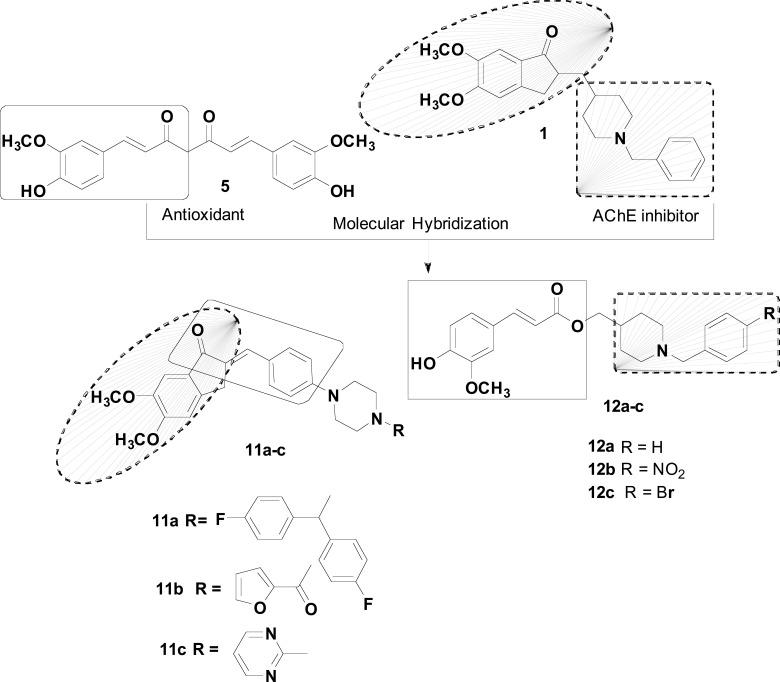
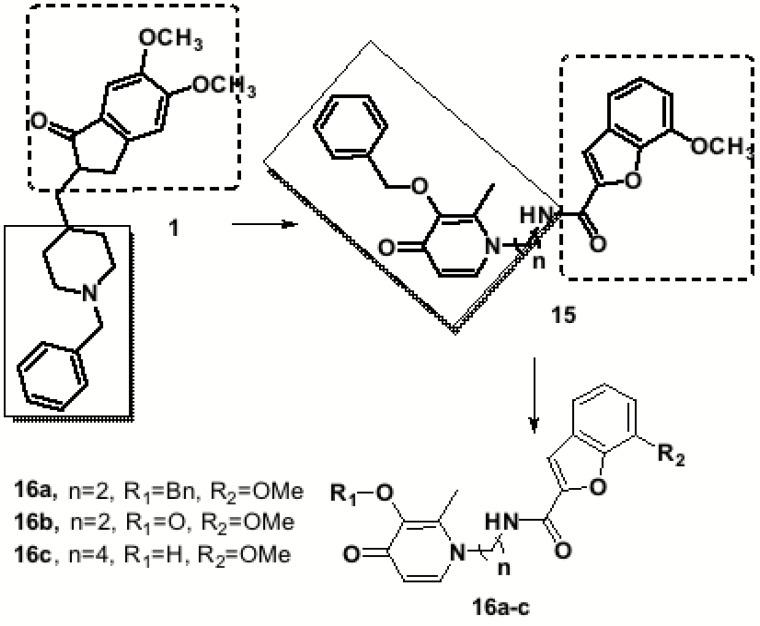
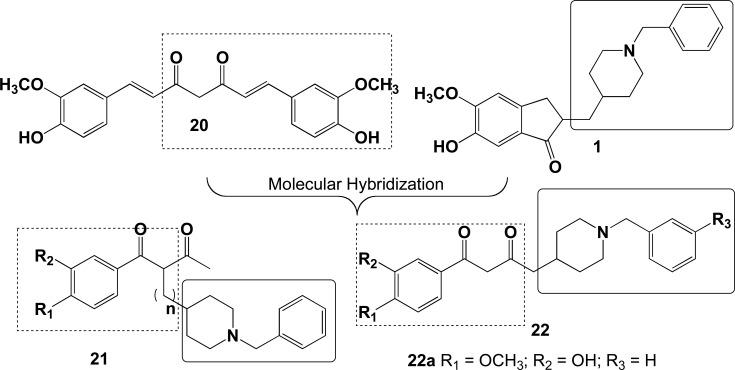
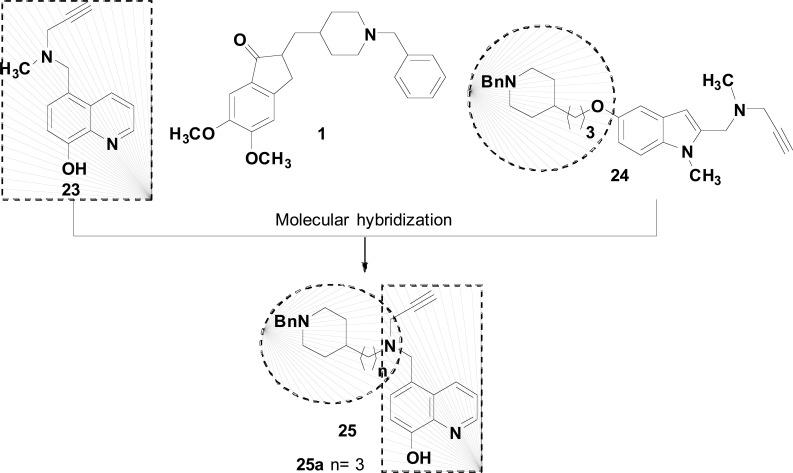
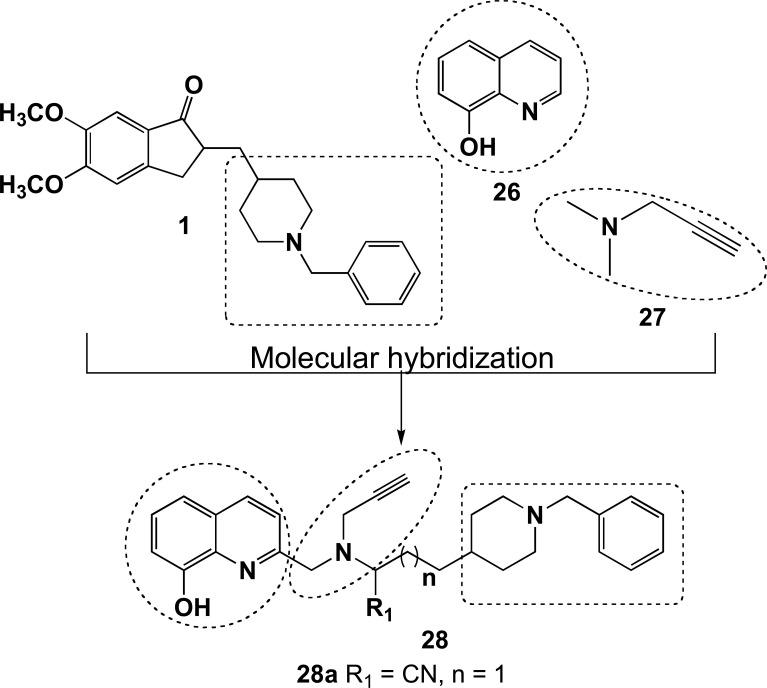
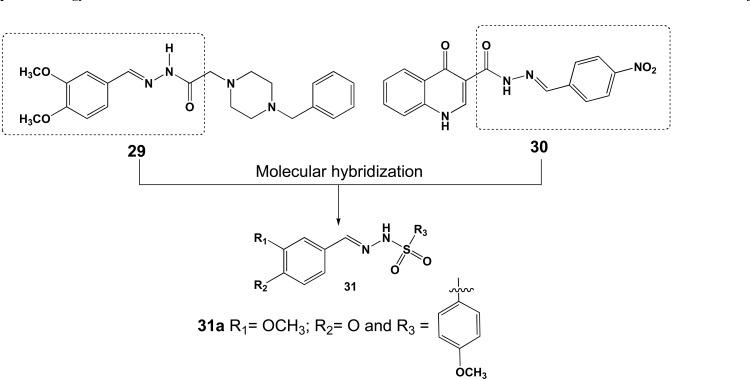
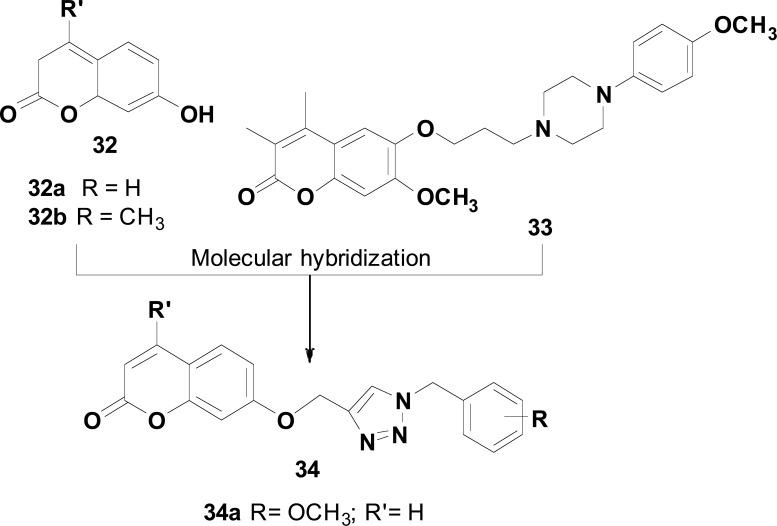
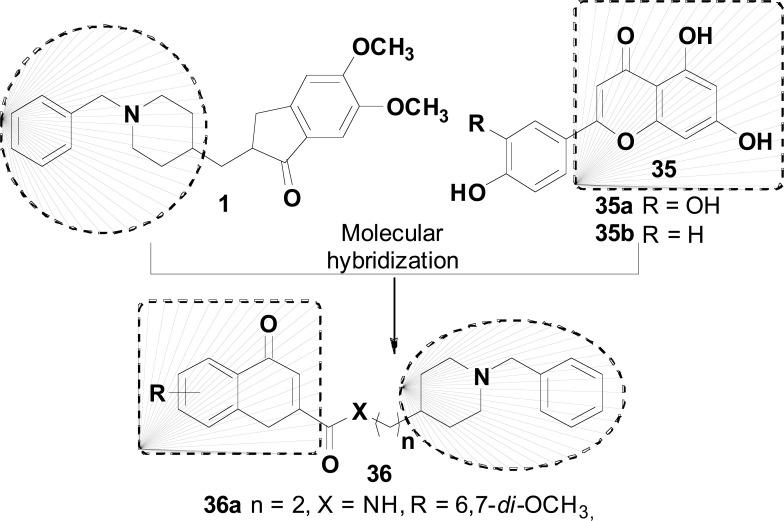
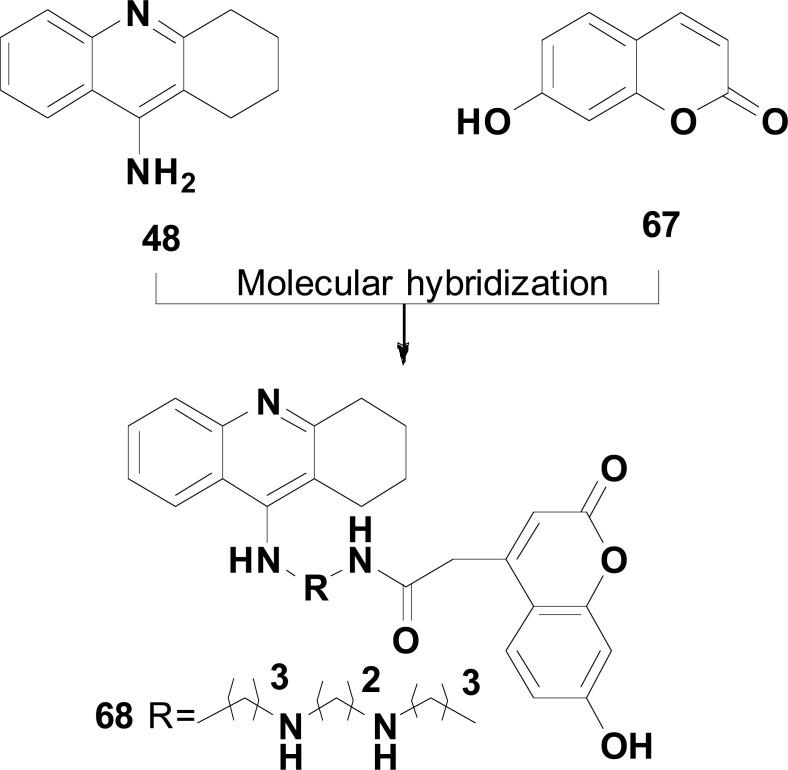
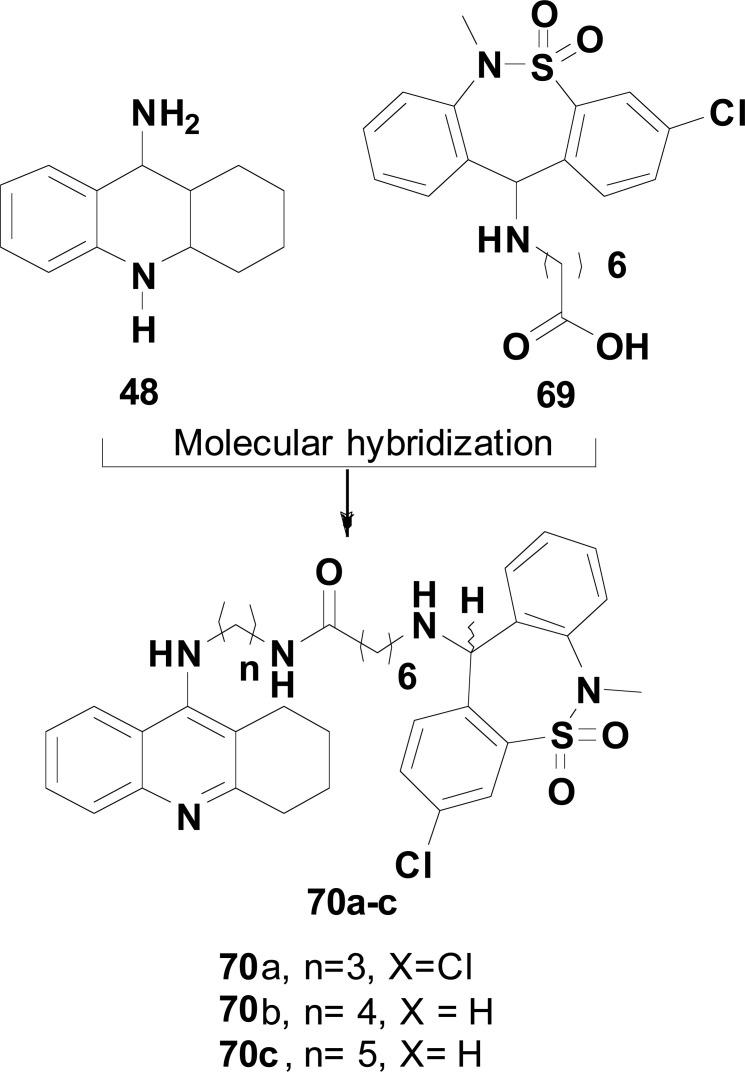
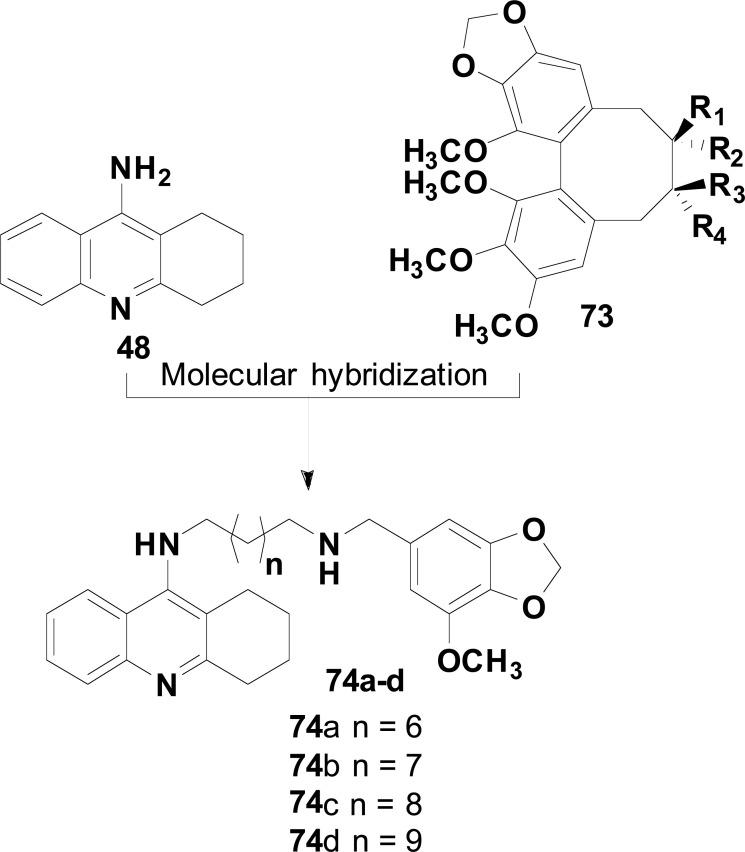
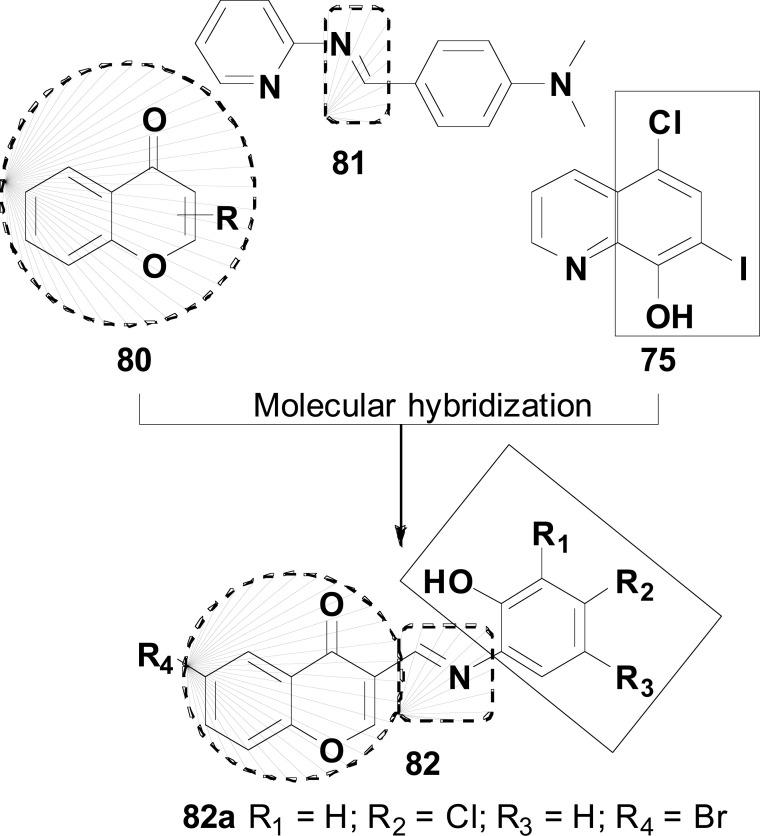
Neurodegenerative Diseases (NDs) are progressive multifactorial neurological pathologies related to neuronal impairment and functional loss from different brain regions. Currently, no effective treatments are available for any NDs, and this lack of efficacy has been attributed to the multitude of interconnected factors involved in their pathophysiology. In the last two decades, a new approach for the rational design of new drug candidates, also called multitarget-directed ligands (MTDLs) strategy, has emerged and has been used in the design and for the development of a variety of hybrid compounds capable to act simultaneously in diverse biological targets. Based on the polypharmacology concept, this new paradigm has been thought as a more secure and effective way for modulating concomitantly two or more biochemical pathways responsible for the onset and progress of NDs, trying to overcome low therapeutical effectiveness. As a complement to our previous review article (Curr. Med. Chem. 2007, 14 (17), 1829-1852. https://doi.org/10.2174/092986707781058805), herein we aimed to cover the period from 2008 to 2019 and highlight the most recent advances of the exploitation of Molecular Hybridization (MH) as a tool in the rational design of innovative multifunctional drug candidate prototypes for the treatment of NDs, specially focused on AD, PD, HD and ALS.
神经退行性疾病(NDs)是与不同脑区神经元损伤和功能丧失有关的进行性多因素神经病理学。目前,任何 NDs 都没有有效的治疗方法,这种疗效不足归因于其病理生理学中涉及的众多相互关联的因素。在过去的二十年中,出现了一种用于合理设计新候选药物的新方法,也称为多靶标导向配体(MTDLs)策略,并已用于设计和开发各种能够同时作用于不同生物靶标的混合化合物。基于多药理学概念,这种新范例被认为是同时调节两个或多个负责 NDs 发病和进展的生化途径的更安全、更有效的方法,试图克服治疗效果不佳的问题。作为我们之前综述文章(Curr. Med. Chem. 2007, 14 (17), 1829-1852. https://doi.org/10.2174/092986707781058805)的补充,本文旨在涵盖 2008 年至 2019 年的时间段,并强调分子杂交(MH)作为合理设计治疗 NDs 的创新多功能候选药物原型的工具的最新进展,特别关注 AD、PD、HD 和 ALS。



















 Zotero 插件