
基于再生聚合物混凝土骨料制备的聚氨酯基复合材料的性能评估
Performance Evaluation of the Polyurethane-Based Composites Prepared with Recycled Polymer Concrete Aggregate.
作者信息
Ma Wenbo, Zhao Zenggang, Guo Shuaicheng, Zhao Yanbing, Wu Zhiren, Yang Caiqian
机构信息
College of Civil Engineering and Mechanics, Xiangtan University, Xiangtan 411105, China.
Key Laboratory of Building Safety and Energy Efficiency of the Ministry of Education, Hunan University, Changsha 410082, China.
出版信息
Materials (Basel). 2020 Jan 30;13(3):616. doi: 10.3390/ma13030616.
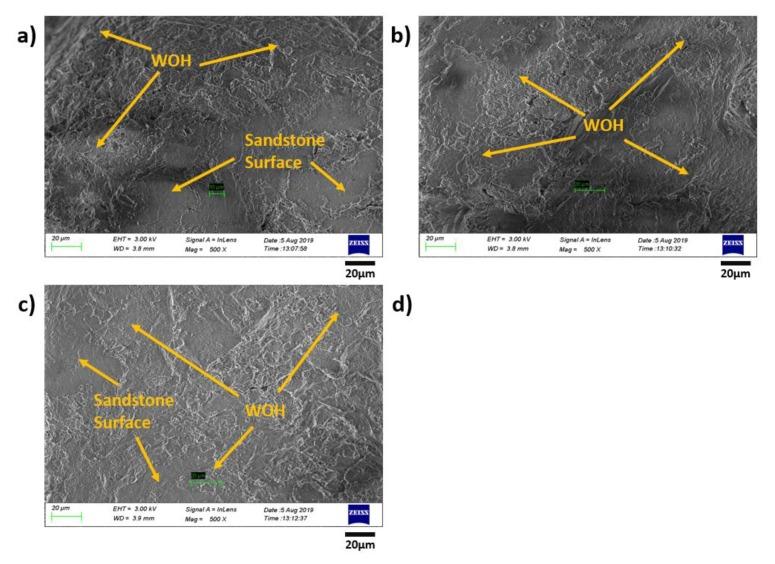
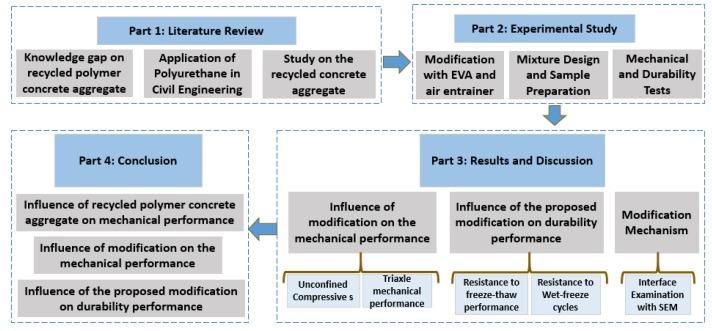
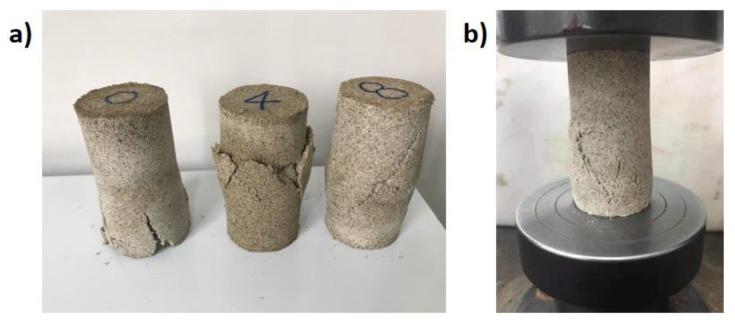
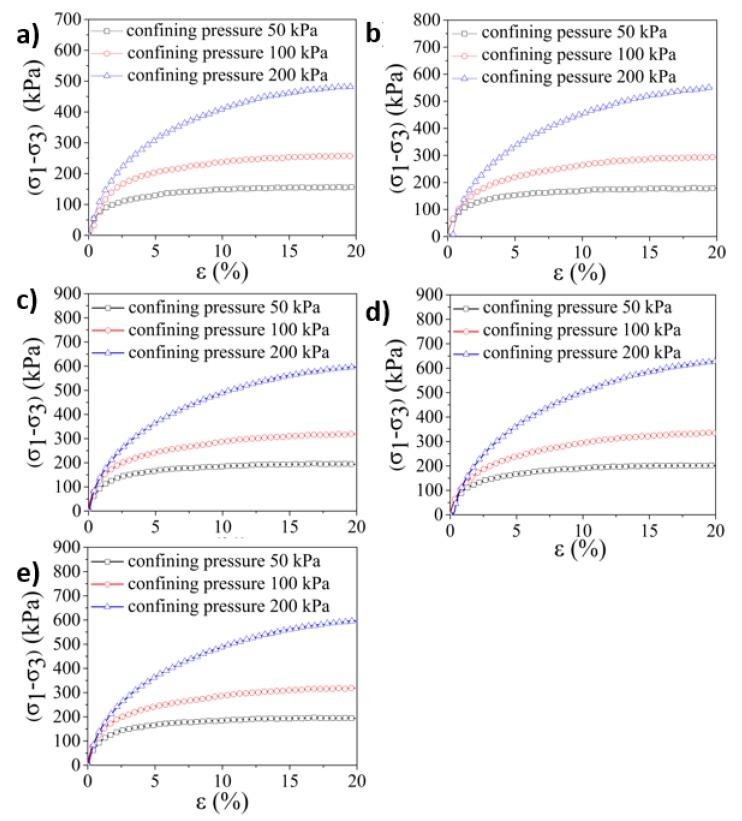
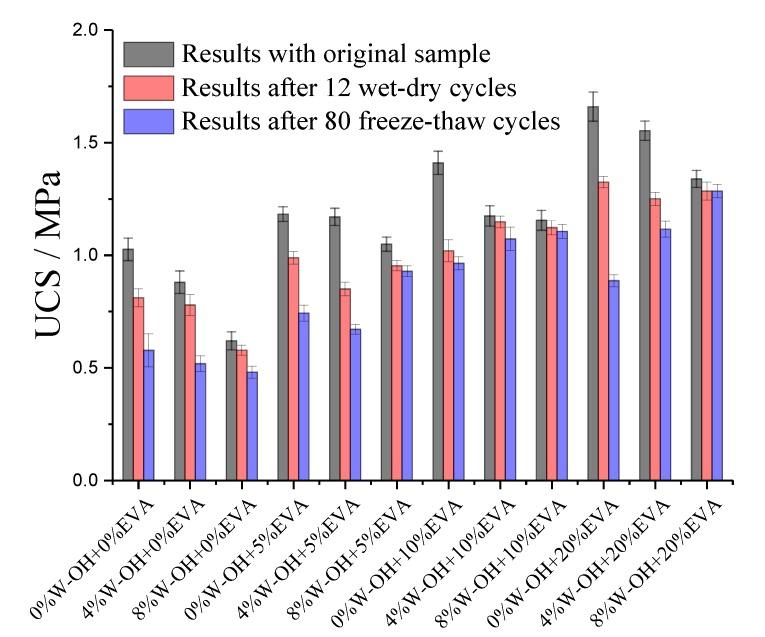
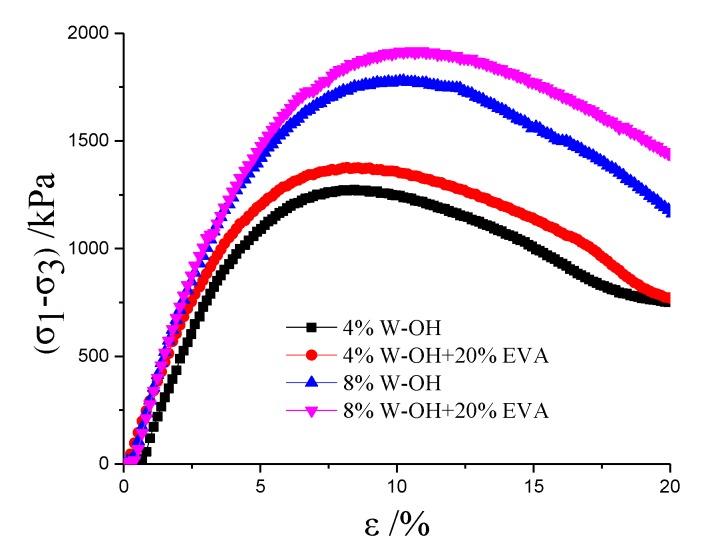
Currently the investigation on recycled cement concrete aggregate has been widely conducted, while the understanding of the recycled polymer concrete aggregate is still limited. This study aims to fill this knowledge gap through the experimental investigation on mechanical and durability performance. Specifically, the remolded polyurethane stabilized Pisha sandstone was collected as the recycled polymer concrete aggregate. The remolded Pisha sandstone was then applied to re-prepare the polyurethane-based composites. After that, the mechanical performance of the prepared composites was first examined with unconfined and triaxial compressive tests. The results indicated that the Pisha sandstone reduces the composite's compressive strength. The reduction is caused by the remained polyurethane material on the surface of the remolded aggregate, which reduces its bond strength with the new polyurethane material. Aiming at this issue, this study applied the ethylene-vinyl acetate (EVA) to enhance the bond performance between the polyurethane and remolded sandstone. The test results indicated both the unconfined and triaxle compressive strength of the polyurethane composites were enhanced with the added EVA content. Furthermore, the durability performance of the EVA-modified composites were examined through freeze-thaw and wet-dry cycle tests. The test results indicated the EVA could enhance the polyurethane composites' resistance to both wet-dry and freeze-thaw cycles. Overall, the modification with EVA can compensate for the strength loss of polyurethane composites because of the applied remolded aggregate and enhance its sustainability.
目前,对再生水泥混凝土骨料的研究已广泛开展,而对再生聚合物混凝土骨料的了解仍较为有限。本研究旨在通过对力学性能和耐久性的试验研究来填补这一知识空白。具体而言,收集重塑聚氨酯稳定化的砒砂岩作为再生聚合物混凝土骨料。然后将重塑砒砂岩用于重新制备聚氨酯基复合材料。之后,首先通过无侧限抗压试验和三轴抗压试验对制备的复合材料的力学性能进行了检测。结果表明,砒砂岩降低了复合材料的抗压强度。这种降低是由重塑骨料表面残留的聚氨酯材料导致的,它降低了其与新聚氨酯材料的粘结强度。针对这一问题,本研究应用乙烯 - 醋酸乙烯酯(EVA)来增强聚氨酯与重塑砂岩之间的粘结性能。试验结果表明,随着EVA添加量的增加,聚氨酯复合材料的无侧限抗压强度和三轴抗压强度均得到提高。此外,通过冻融循环试验和干湿循环试验对EVA改性复合材料的耐久性进行了检测。试验结果表明,EVA可以提高聚氨酯复合材料的抗干湿循环和抗冻融循环能力。总体而言,EVA改性能够弥补因使用重塑骨料而导致的聚氨酯复合材料强度损失,并提高其可持续性。




 Zotero 插件