
一名患丹迪-沃克变异型的流感儿童的脑干折叠情况。
Brainstem folding in an influenza child with Dandy-Walker variant.
作者信息
Li Su-Yun, Li Pei-Qing, Xiao Wei-Qiang, Liu Hong-Sheng, Yang Si-Da
机构信息
Department of Pediatric Emergency Medicine, Guangzhou Women and Children's Medical Center, Guangzhou Medical University, Guangzhou 510623, Guangdong Province, China.
Department of Radiology, Guangzhou Women and Children's Medical Center, Guangzhou Medical University, Guangzhou 510623, Guangdong Province, China.
出版信息
World J Clin Cases. 2020 Jan 26;8(2):382-389. doi: 10.12998/wjcc.v8.i2.382.
BACKGROUND
Influenza in children is a major cause of morbidity and mortality worldwide. Nervous system diseases are a factor relating to increased mortality rate. However, reports of how these underlying diseases contribute to the death of children with influenza are rare.
CASE SUMMARY
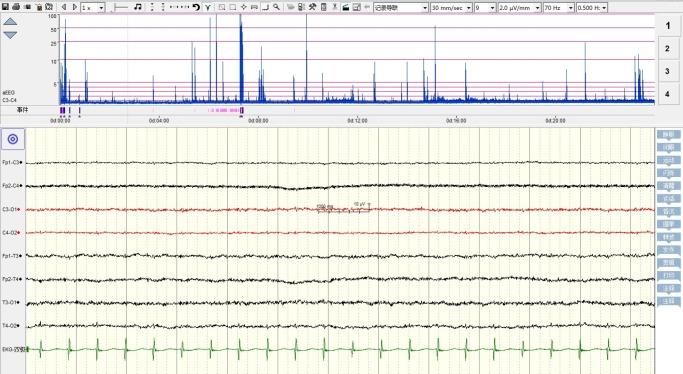
A 4-year-old-girl developed type A influenza-related encephalopathy (IAE) with seizures, acute disorder of consciousness, and intracranial hypertension (cerebrospinal fluid pressure: 250 mmHO), and the Dandy-Walker variant was found by her first magnetic resonance imaging (MRI) when admission. Three days later, she suddenly presented anisocoria, acute pulmonary edema, and coma, and the later MRI found that she had compressed brainstem, oblongata "Z-like folding", and swelling bilateral basal ganglia. After admission, the patient were tested for routine and special biomarkers and underwent neuroimaging and neuroelectrophysiology examinations as well as Oseltamivir and intravenous immunogloblin treatments. When predicting that unstable intracranial structures detected by MRI might have disastrous consequences in the progression of IAE, she was transferred into the pediatric intensive care unit and underwent continuous assessment of clinical condition while she did not have instability of basic vital signs; at the same time, her parents were fully informed about the risk and prognosis. Although she was ultimately dead from brain stem failure, the parents expressed understanding and did not trigger a doctor-patient conflict.
CONCLUSION
In case of finding an unstable intracranial structure, intensive care should be given to IAE patient and their clinical condition should be monitored continuously.
背景
儿童流感是全球发病和死亡的主要原因。神经系统疾病是死亡率增加的一个相关因素。然而,关于这些基础疾病如何导致流感患儿死亡的报道很少。
病例摘要
一名4岁女童患甲型流感相关脑病(IAE),伴有癫痫发作、急性意识障碍和颅内高压(脑脊液压力:250mmH₂O),入院时首次磁共振成像(MRI)检查发现为Dandy-Walker变异型。三天后,她突然出现瞳孔不等大、急性肺水肿和昏迷,后来的MRI检查发现她有脑干受压、延髓“Z形折叠”以及双侧基底节肿胀。入院后,对患者进行了常规和特殊生物标志物检测,并接受了神经影像学和神经电生理学检查以及奥司他韦和静脉注射免疫球蛋白治疗。当预测MRI检测到的颅内结构不稳定可能在IAE进展中产生灾难性后果时,她被转入儿科重症监护病房,在她基本生命体征稳定的情况下持续评估临床状况;同时,向她的父母充分告知了风险和预后。尽管她最终因脑干衰竭死亡,但父母表示理解,未引发医患冲突。
结论
对于发现颅内结构不稳定的IAE患者,应给予重症监护并持续监测其临床状况。


 Zotero 插件