
罗哌卡因头皮神经阻滞对开颅术后患者疼痛的影响:一项随机、双盲研究。
Effect of Scalp Nerve Block with Ropivacaine on Postoperative Pain in Patients Undergoing Craniotomy: A Randomized, Double Blinded Study.
机构信息
Department of Anesthesiology, West China Hospital of Sichuan University, Chengdu, 610041, Sichuan, P.R. China.
Laboratory of Anesthesia & Critical Care, Translational Neuroscience Center, West China Hospital of Sichuan University, Chengdu, 610041, Sichuan, P.R. China.
出版信息
Sci Rep. 2020 Feb 13;10(1):2529. doi: 10.1038/s41598-020-59370-z.
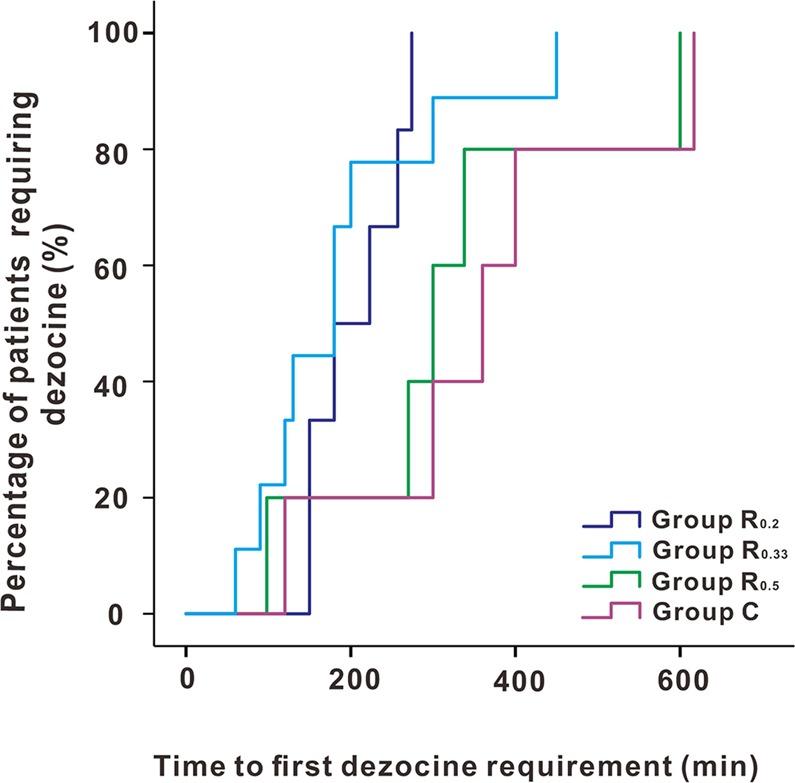
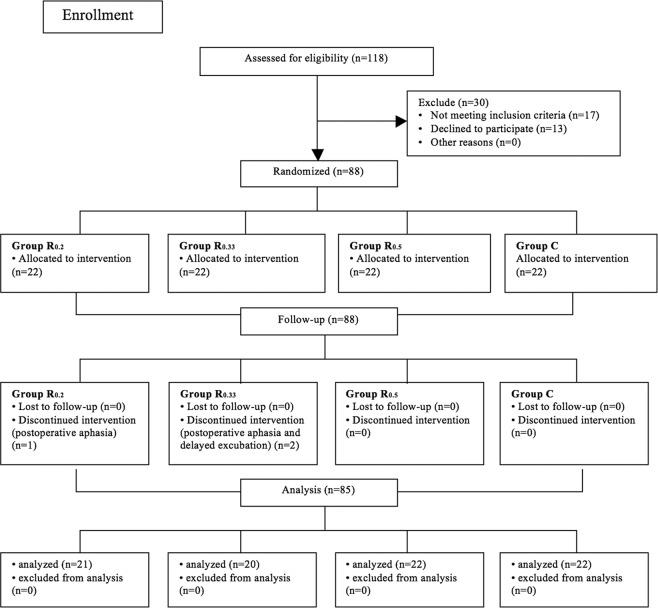
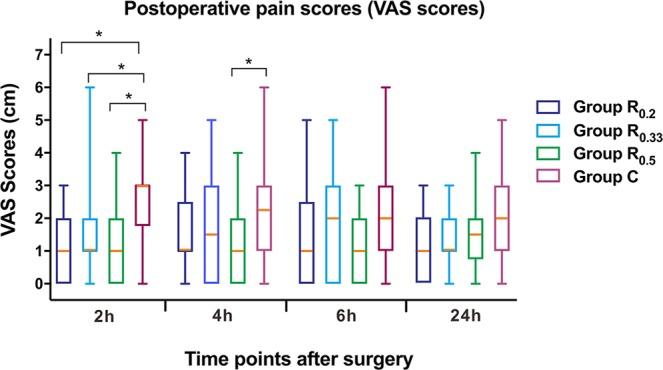
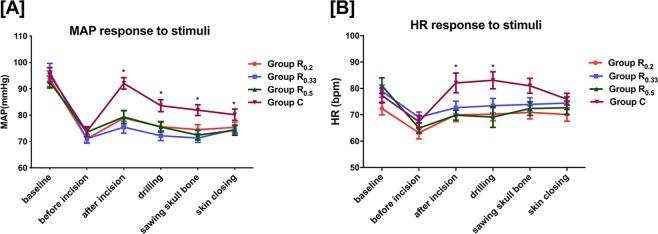
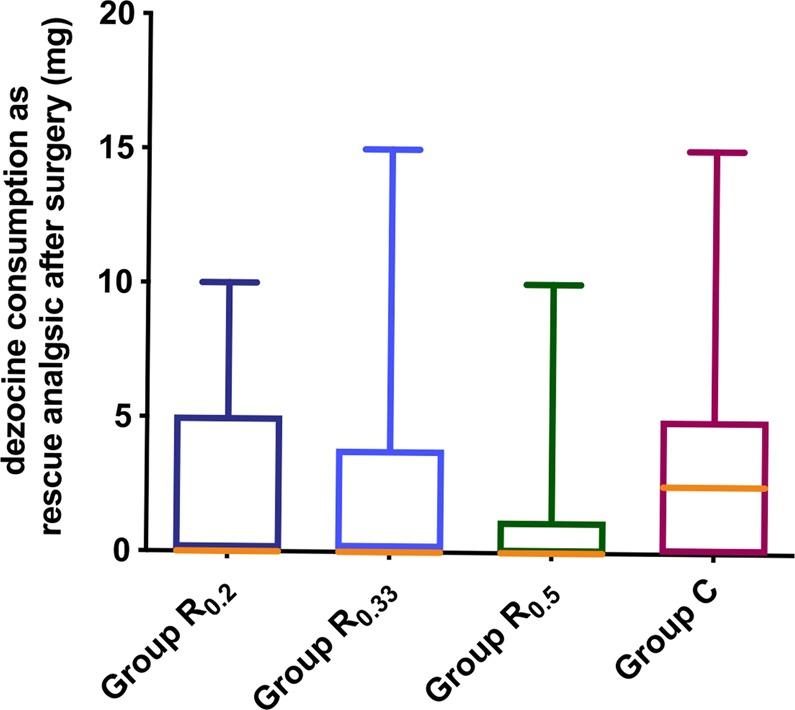
Scalp nerve block with ropivacaine has been shown to provide perioperative analgesia. However, the best concentration of ropivacaine is still unknown for optimal analgesic effects. We performed a prospective study to evaluate the effects of scalp nerve block with varied concentration of ropivacaine on postoperative pain and intraoperative hemodynamic variables in patients undergoing craniotomy under general anesthesia. Eighty-five patients were randomly assigned to receive scalp block with either 0.2% ropivacaine, 0.33% ropivacaine, 0.5% ropivacaine, or normal saline. Intraoperative hemodynamics and post-operative pain scores at 2, 4, 6, 24 hours postoperatively were recorded. We found that scalp blockage with 0.2% and 0.33% ropivacaine provided adequate postoperative pain relief up to 2 h, while administration of 0.5% ropivacaine had a longer duration of action (up to 4 hour after craniotomy). Scalp nerve block with varied concentration of ropivacaine blunted the increase of mean arterial pressure in response to noxious stimuli during incision, drilling, and sawing skull bone. 0.2% and 0.5% ropivacaine decreased heart rate response to incision and drilling. We concluded that scalp block using 0.5% ropivacaine obtain preferable postoperative analgesia compared to lower concentrations. And scalp block with ropivacaine also reduced hemodynamic fluctuations in craniotomy operations.
头皮神经阻滞联合罗哌卡因已被证实可提供围手术期镇痛。然而,为了达到最佳的镇痛效果,罗哌卡因的最佳浓度仍不清楚。我们进行了一项前瞻性研究,以评估不同浓度罗哌卡因头皮神经阻滞对全麻下开颅手术患者术后疼痛和术中血流动力学的影响。85 例患者随机分为 0.2%罗哌卡因、0.33%罗哌卡因、0.5%罗哌卡因或生理盐水头皮阻滞组。记录术中血流动力学和术后 2、4、6、24 小时的术后疼痛评分。我们发现,0.2%和 0.33%罗哌卡因头皮阻滞可提供足够的术后疼痛缓解,直至 2 小时,而 0.5%罗哌卡因的作用持续时间更长(开颅后 4 小时)。不同浓度的罗哌卡因头皮神经阻滞可减轻切口、钻孔和锯颅骨时伤害性刺激引起的平均动脉压升高。0.2%和 0.5%罗哌卡因降低了对切口和钻孔的心率反应。我们的结论是,与低浓度相比,0.5%罗哌卡因头皮阻滞可获得更好的术后镇痛效果。而且罗哌卡因头皮阻滞还可减少开颅手术中的血流动力学波动。

 Zotero 插件