
人牙周膜细胞和炎症环境介导的维生素D对CD4 T淋巴细胞的多效性作用
Pleiotropic effects of vitamin D on CD4 T lymphocytes mediated by human periodontal ligament cells and inflammatory environment.
作者信息
Behm Christian, Blufstein Alice, Gahn Johannes, Kubin Barbara, Moritz Andreas, Rausch-Fan Xiaohui, Andrukhov Oleh
机构信息
Division of Conservative Dentistry and Periodontology, University Clinic of Dentistry, Medical University of Vienna, Vienna, Austria.
出版信息
J Clin Periodontol. 2020 Jun;47(6):689-701. doi: 10.1111/jcpe.13283. Epub 2020 Apr 13.
AIMS
Both, vitamin D and human periodontal ligament cells (hPDLCs) possess immunosuppressive properties, but their combined effect on immune cells has never been investigated. Here, we analysed the impact of vitamin D on the immunosuppressive properties of hPDLCs towards CD4 T lymphocytes.
MATERIAL AND METHODS
Allogenic CD4 T lymphocytes were activated by phytohemagglutinin either in monoculture or co-culture with hPDLCs, in the presence or absence of IFN-γ and 1,25(OH) D . After 5 days, CD4 T-lymphocyte proliferation, CD4 CD25 FoxP3 regulatory T lymphocytes (T ) proportion and IL-10, TGF-β1 and IL-17A production were analysed.
RESULTS
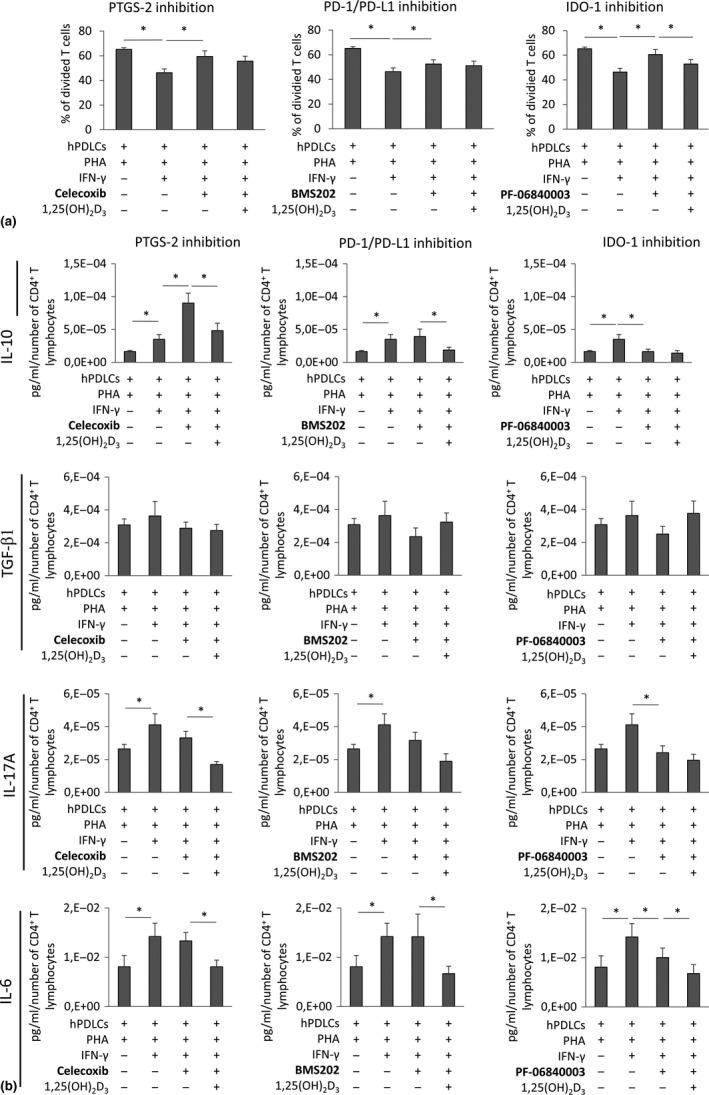
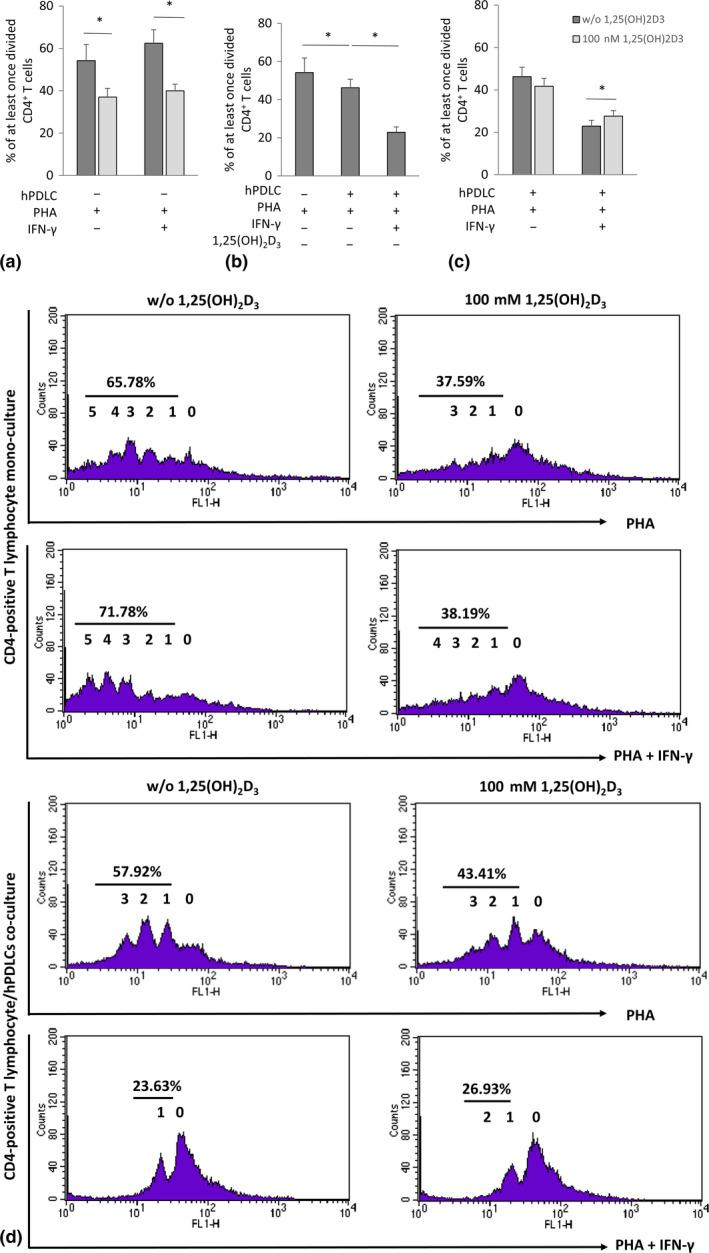
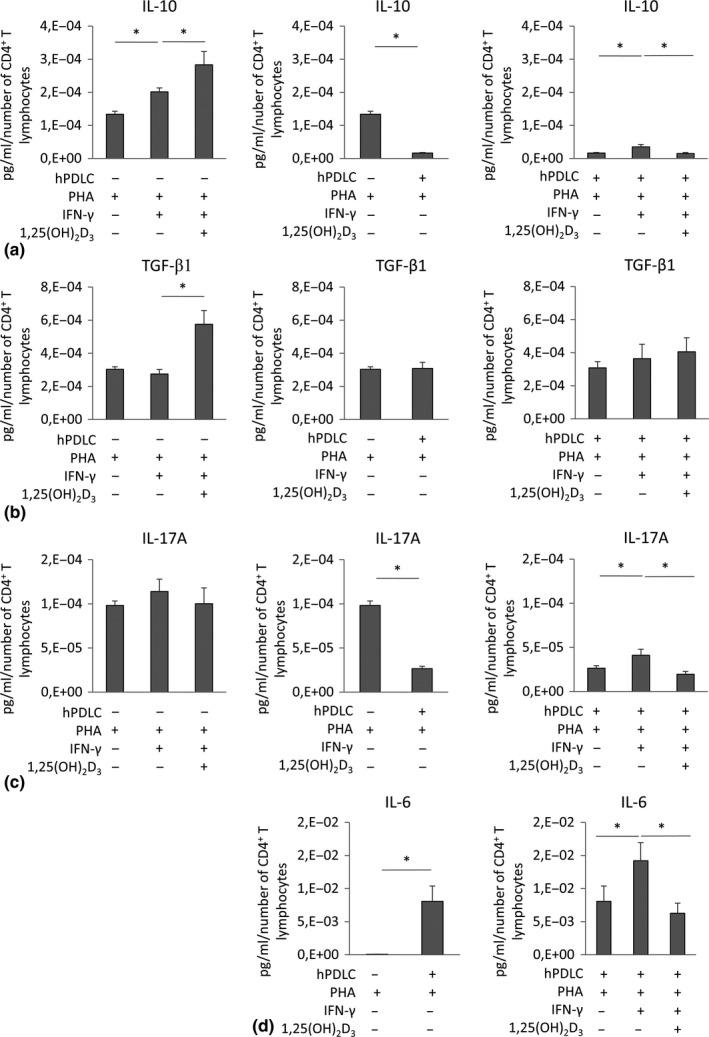
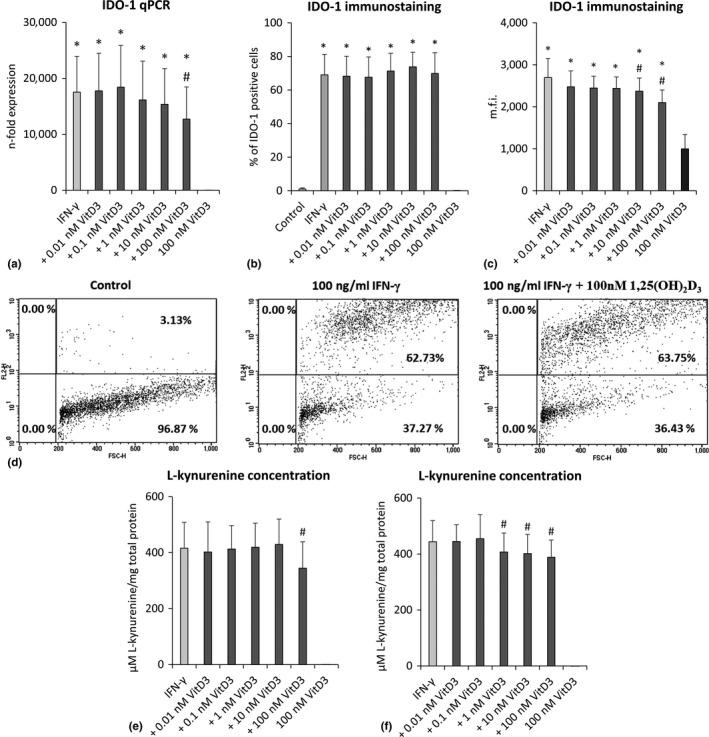
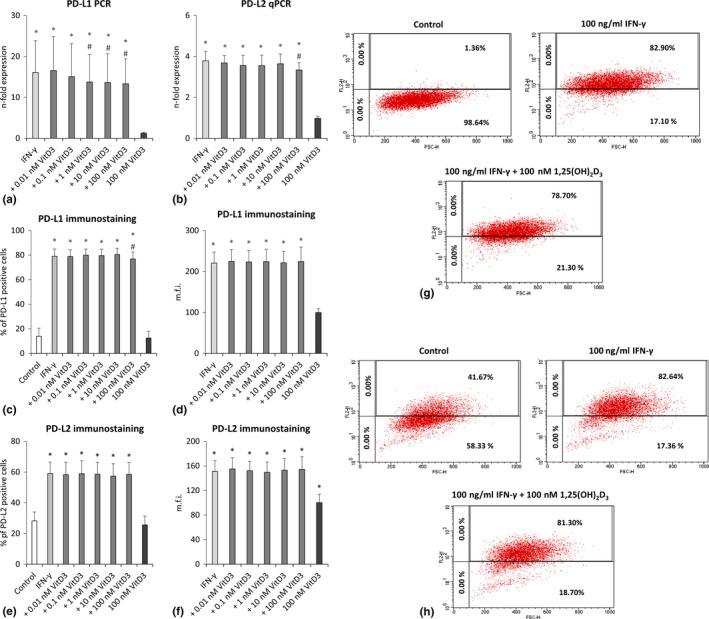
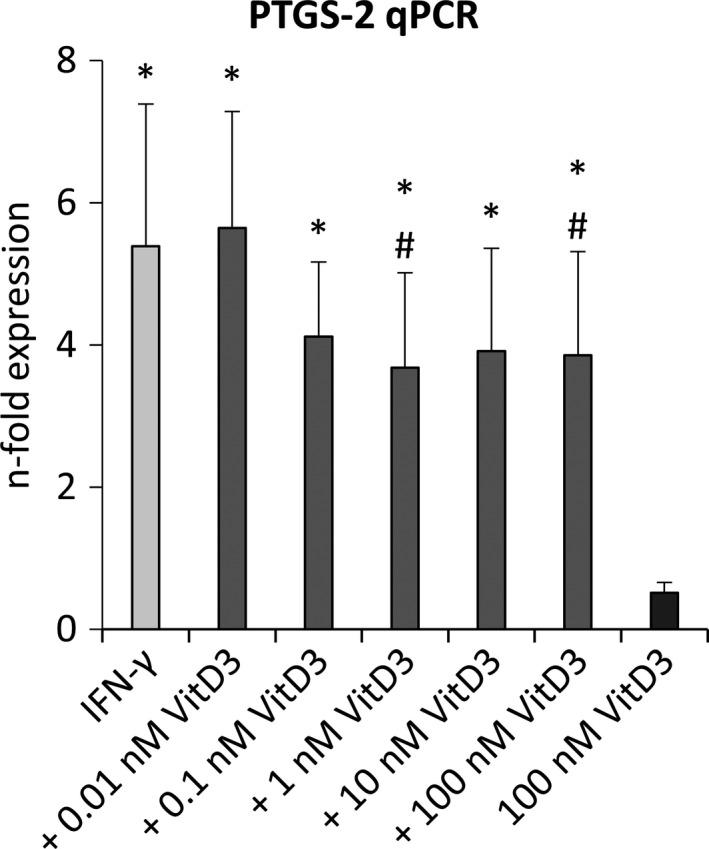
In monoculture, 1,25(OH) D suppressed CD4 T-lymphocyte proliferation, increased the percentage of CD4 FoxP3 CD25 FoxP3 T and enhanced IL-10 and TGF-β1 production. In the presence of IFN-γ treated hPDLCs, 1,25(OH) D significantly increased CD4 T-lymphocyte proliferation and decreased the percentage of CD4 CD25 FoxP3 T . IL-10 and IL-17A expression was significantly diminished by 1,25(OH) D , whereas TGF-β1 was slightly increased. The effects of 1,25(OH) D in co-culture were reversed by inhibition of indoleamine-2,3-dioxygenase-1, prostaglandin-endoperoxide synthase and programmed cell death 1 ligand 1. 1,25(OH) D also suppressed the expression of these proteins in hPDLCs.
CONCLUSION
Effects of vitamin D on CD4 T lymphocyte are modified by hPDLCs depending on the microenvironment.
目的
维生素D和人牙周膜细胞(hPDLCs)均具有免疫抑制特性,但它们对免疫细胞的联合作用从未被研究过。在此,我们分析了维生素D对hPDLCs对CD4 T淋巴细胞免疫抑制特性的影响。
材料与方法
同种异体CD4 T淋巴细胞在有或无IFN-γ和1,25(OH)₂D₃的情况下,通过植物血凝素在单培养或与hPDLCs共培养中被激活。5天后,分析CD4 T淋巴细胞增殖、CD4⁺CD25⁺FoxP3⁺调节性T淋巴细胞(Tregs)比例以及IL-10、TGF-β1和IL-17A的产生。
结果
在单培养中,1,25(OH)₂D₃抑制CD4 T淋巴细胞增殖,增加CD4⁺FoxP3⁺CD25⁺FoxP3⁺ Tregs的百分比,并增强IL-10和TGF-β1的产生。在经IFN-γ处理的hPDLCs存在的情况下,1,25(OH)₂D₃显著增加CD4 T淋巴细胞增殖并降低CD4⁺CD25⁺FoxP3⁺ Tregs的百分比。1,25(OH)₂D₃使IL-10和IL-17A表达显著降低,而TGF-β1略有增加。1,25(OH)₂D₃在共培养中的作用通过抑制吲哚胺-2,3-双加氧酶-1、前列腺素内过氧化物合酶和程序性细胞死亡1配体1而被逆转。1,25(OH)₂D₃也抑制了这些蛋白在hPDLCs中的表达。
结论
维生素D对CD4 T淋巴细胞的作用因hPDLCs而异,具体取决于微环境。

 Zotero 插件