
美国宇航局的首个基于地面的银河宇宙射线模拟器:开启太空辐射生物学研究的新纪元。
NASA's first ground-based Galactic Cosmic Ray Simulator: Enabling a new era in space radiobiology research.
机构信息
NASA Langley Research Center, Hampton, Virginia, United States of America.
Brookhaven National Laboratory, Brookhaven, New York, United States of America.
出版信息
PLoS Biol. 2020 May 19;18(5):e3000669. doi: 10.1371/journal.pbio.3000669. eCollection 2020 May.
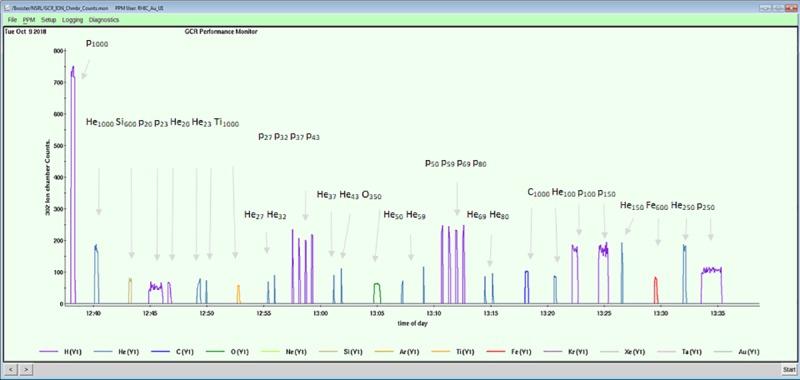
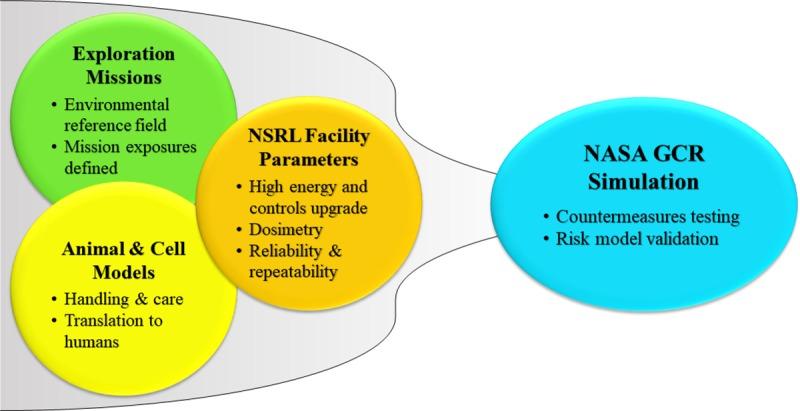
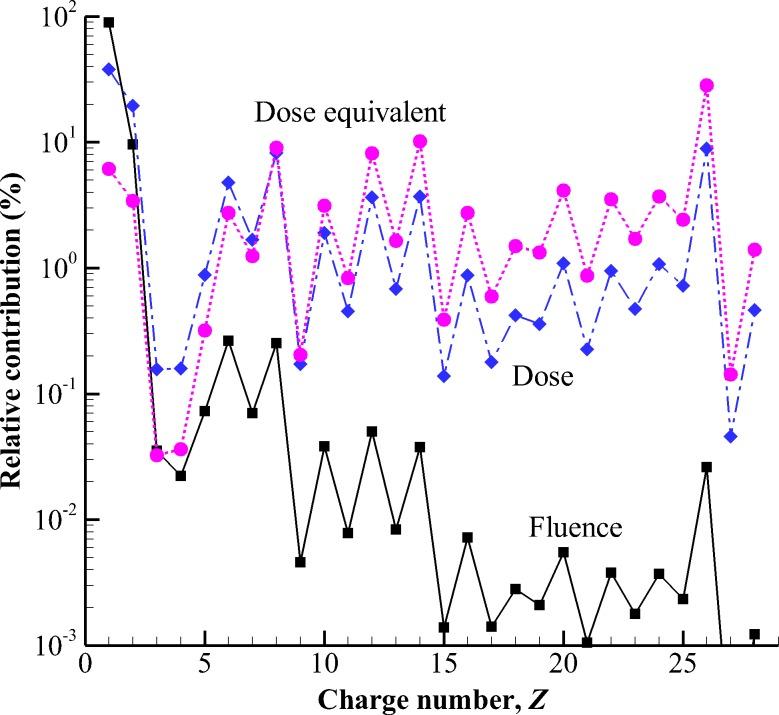
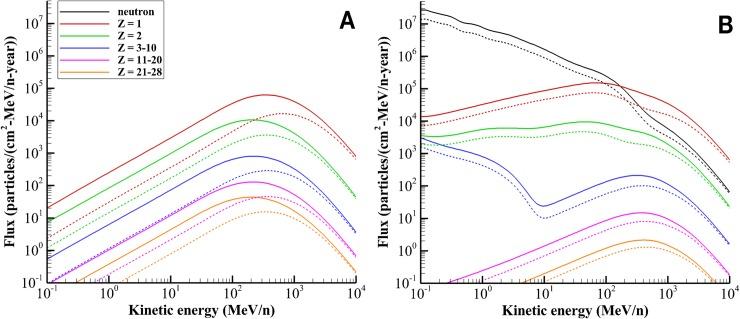
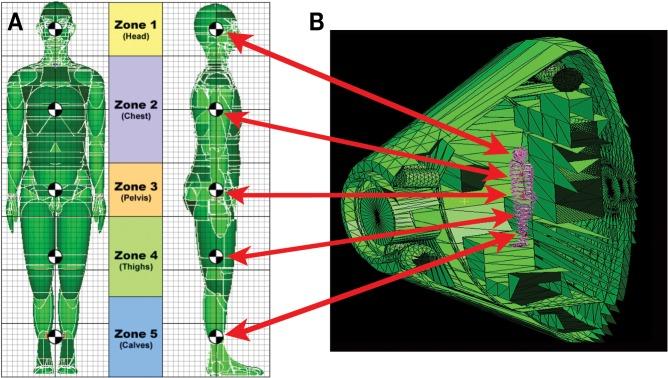
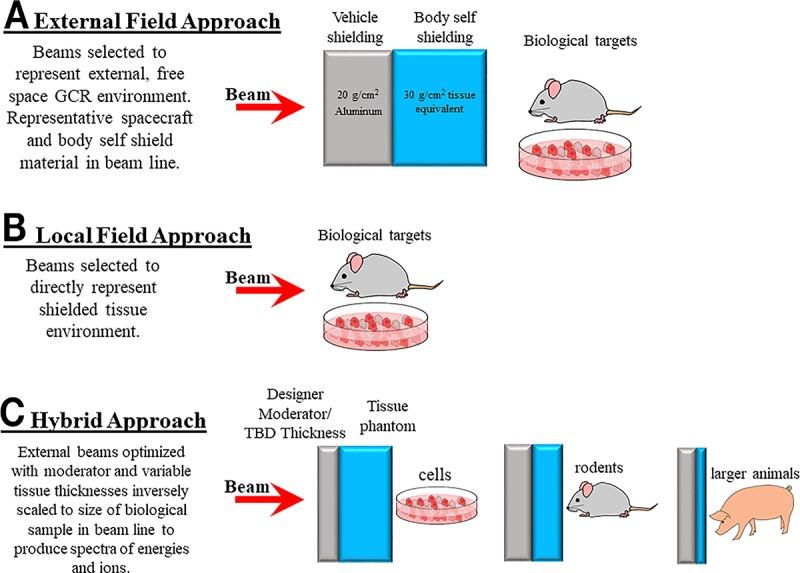
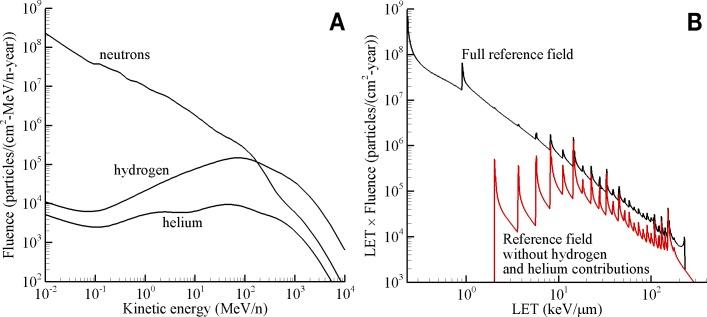
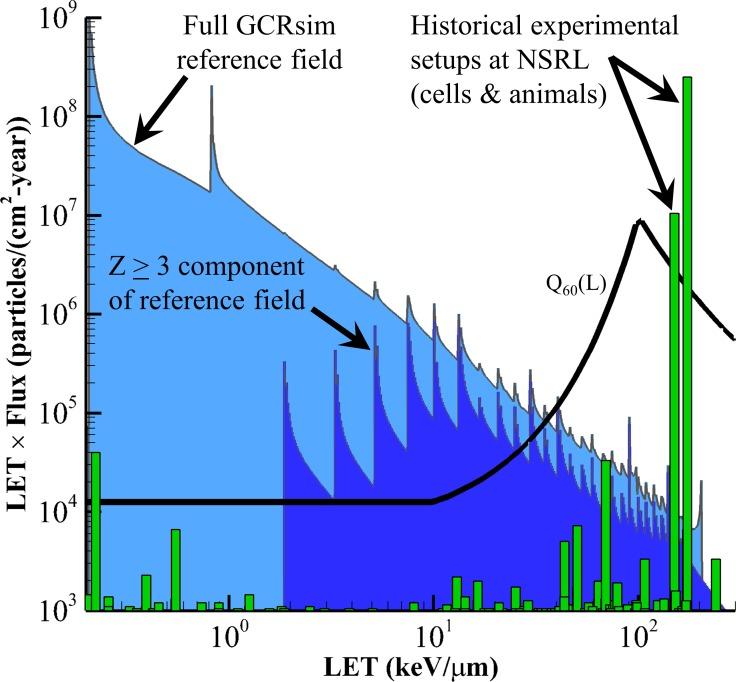
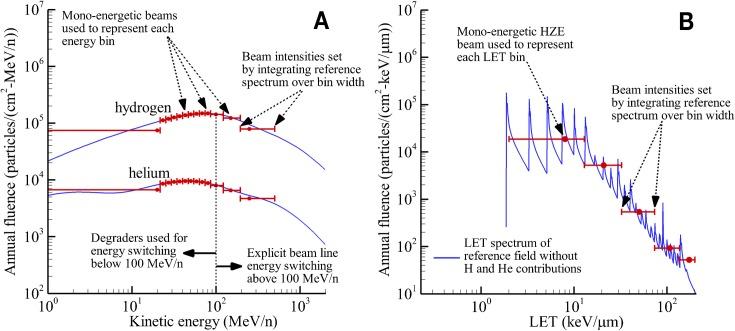
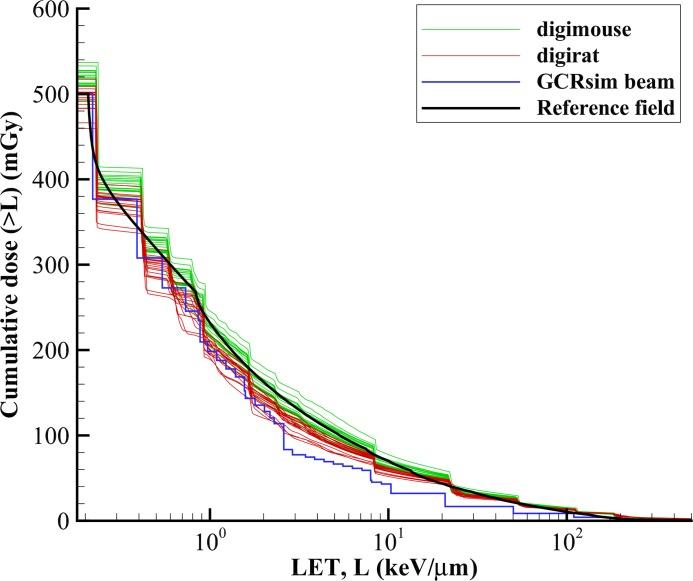
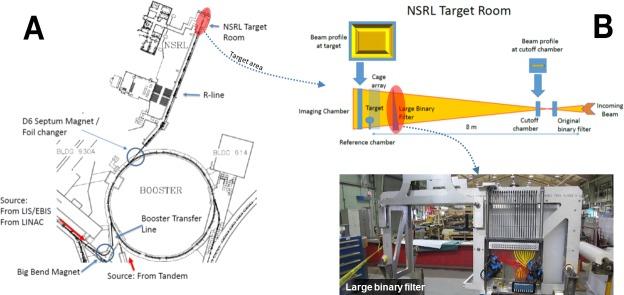
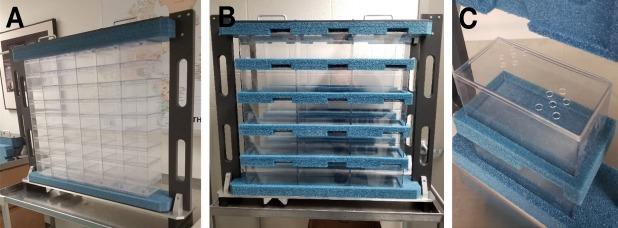
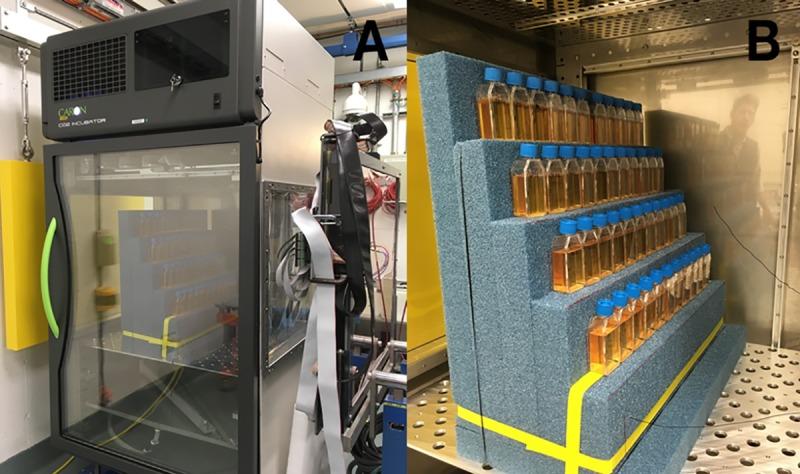
With exciting new NASA plans for a sustainable return to the moon, astronauts will once again leave Earth's protective magnetosphere only to endure higher levels of radiation from galactic cosmic radiation (GCR) and the possibility of a large solar particle event (SPE). Gateway, lunar landers, and surface habitats will be designed to protect crew against SPEs with vehicle optimization, storm shelter concepts, and/or active dosimetry; however, the ever penetrating GCR will continue to pose the most significant health risks especially as lunar missions increase in duration and as NASA sets its aspirations on Mars. The primary risks of concern include carcinogenesis, central nervous system (CNS) effects resulting in potential in-mission cognitive or behavioral impairment and/or late neurological disorders, degenerative tissue effects including circulatory and heart disease, as well as potential immune system decrements impacting multiple aspects of crew health. Characterization and mitigation of these risks requires a significant reduction in the large biological uncertainties of chronic (low-dose rate) heavy-ion exposures and the validation of countermeasures in a relevant space environment. Historically, most research on understanding space radiation-induced health risks has been performed using acute exposures of monoenergetic single-ion beams. However, the space radiation environment consists of a wide variety of ion species over a broad energy range. Using the fast beam switching and controls systems technology recently developed at the NASA Space Radiation Laboratory (NSRL) at Brookhaven National Laboratory, a new era in radiobiological research is possible. NASA has developed the "GCR Simulator" to generate a spectrum of ion beams that approximates the primary and secondary GCR field experienced at human organ locations within a deep-space vehicle. The majority of the dose is delivered from protons (approximately 65%-75%) and helium ions (approximately 10%-20%) with heavier ions (Z ≥ 3) contributing the remainder. The GCR simulator exposes state-of-the art cellular and animal model systems to 33 sequential beams including 4 proton energies plus degrader, 4 helium energies plus degrader, and the 5 heavy ions of C, O, Si, Ti, and Fe. A polyethylene degrader system is used with the 100 MeV/n H and He beams to provide a nearly continuous distribution of low-energy particles. A 500 mGy exposure, delivering doses from each of the 33 beams, requires approximately 75 minutes. To more closely simulate the low-dose rates found in space, sequential field exposures can be divided into daily fractions over 2 to 6 weeks, with individual beam fractions as low as 0.1 to 0.2 mGy. In the large beam configuration (60 × 60 cm2), 54 special housing cages can accommodate 2 to 3 mice each for an approximately 75 min duration or 15 individually housed rats. On June 15, 2018, the NSRL made a significant achievement by completing the first operational run using the new GCR simulator. This paper discusses NASA's innovative technology solution for a ground-based GCR simulator at the NSRL to accelerate our understanding and mitigation of health risks faced by astronauts. Ultimately, the GCR simulator will require validation across multiple radiogenic risks, endpoints, doses, and dose rates.
随着美国国家航空航天局(NASA)计划进行可持续的月球返回,宇航员将再次离开地球的磁气圈,只能承受来自银河宇宙辐射(GCR)和大型太阳粒子事件(SPE)的更高水平的辐射。网关、登月器和地表栖息地将通过车辆优化、风暴避难所概念和/或主动剂量计来设计,以保护机组人员免受 SPE 的影响;然而,不断穿透的 GCR 将继续构成最大的健康风险,尤其是随着月球任务的持续时间延长,以及 NASA 将其愿望设定在火星上。主要关注的风险包括致癌作用、中枢神经系统(CNS)效应,可能导致任务中的认知或行为障碍和/或迟发性神经障碍、退行性组织效应,包括循环和心脏病,以及潜在的免疫系统下降,影响机组人员健康的多个方面。要对这些风险进行特征描述和缓解,需要大幅降低慢性(低剂量率)重离子暴露的大量生物学不确定性,并在相关空间环境中验证对策。从历史上看,对空间辐射诱导健康风险的理解的大多数研究都是使用单能单离子束的急性暴露来进行的。然而,空间辐射环境由广泛的能量范围内的多种离子种类组成。利用美国国家航空航天局(NASA)太空辐射实验室(NSRL)最近开发的快速束切换和控制系统技术,开辟了放射生物学研究的新时代。NASA 已经开发了“GCR 模拟器”,以生成接近深空飞行器内人体器官位置处初级和次级 GCR 场的离子束谱。大部分剂量来自质子(约 65%-75%)和氦离子(约 10%-20%),较重的离子(Z≥3)贡献其余部分。GCR 模拟器使最先进的细胞和动物模型系统暴露于 33 个连续的束中,包括 4 个质子能量加减速器、4 个氦能量加减速器以及 C、O、Si、Ti 和 Fe 的 5 个重离子。使用聚乙烯减速器系统与 100 MeV/n H 和 He 束一起使用,可提供几乎连续的低能粒子分布。500mGy 的暴露剂量,从 33 个束中的每一个中输送,大约需要 75 分钟。为了更接近地模拟太空内的低剂量率,可以将连续的场暴露分成 2 至 6 周的每日剂量,每个束的剂量低至 0.1 至 0.2mGy。在大束配置(60×60cm2)中,54 个特殊外壳笼可以容纳每个笼中的 2 到 3 只小鼠,持续大约 75 分钟,或者容纳 15 只单独饲养的大鼠。2018 年 6 月 15 日,NSRL 取得了一项重大成就,即使用新的 GCR 模拟器完成了首次运行。本文讨论了 NASA 创新的地面 GCR 模拟器技术解决方案,以加速我们对宇航员面临的健康风险的理解和缓解。最终,GCR 模拟器将需要跨越多个放射风险、终点、剂量和剂量率进行验证。

 Zotero 插件