
具有聚集诱导发光和 MRI 对比增强特性的治疗诊断纳米颗粒作为一种双模式成像平台,用于图像引导的肿瘤光动力治疗。
Theranostic Nanoparticles with Aggregation-Induced Emission and MRI Contrast Enhancement Characteristics as a Dual-Modal Imaging Platform for Image-Guided Tumor Photodynamic Therapy.
机构信息
Department of Radiology, Guangzhou First People's Hospital, School of Medicine, South China University of Technology, Guangzhou, Guangdong Province 510640, People's Republic of China.
Department of Urology, Guangzhou First People's Hospital, School of Medicine, South China University of Technology, Guangzhou, Guangdong Province 510640, People's Republic of China.
出版信息
Int J Nanomedicine. 2020 Apr 30;15:3023-3038. doi: 10.2147/IJN.S244541. eCollection 2020.
INTRODUCTION
Advanced tumor-targeted theranostic nanoparticles play a key role in tumor diagnosis and treatment research. In this study, we developed a multifunctional theranostic platform based on an amphiphilic hyaluronan/poly-(-ε-carbobenzyloxy-L-lysine) derivative (HA--PZLL), superparamagnetic iron oxide (SPIO) and aggregation-induced emission (AIE) nanoparticles for tumor-targeted magnetic resonance (MR) and fluorescence (FL) dual-modal image-guided photodynamic therapy (PDT).
MATERIALS AND METHODS
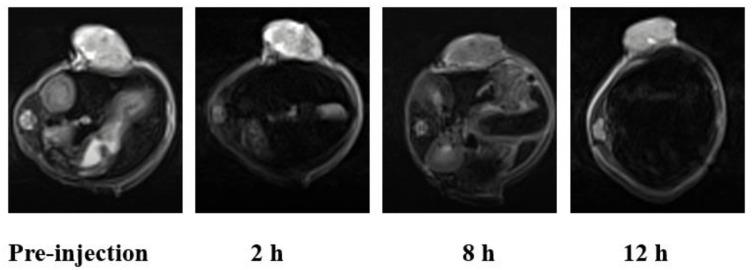
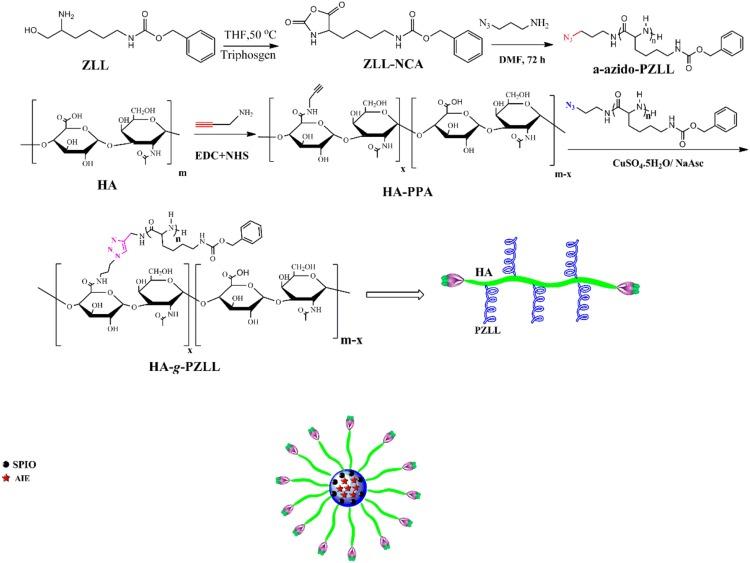
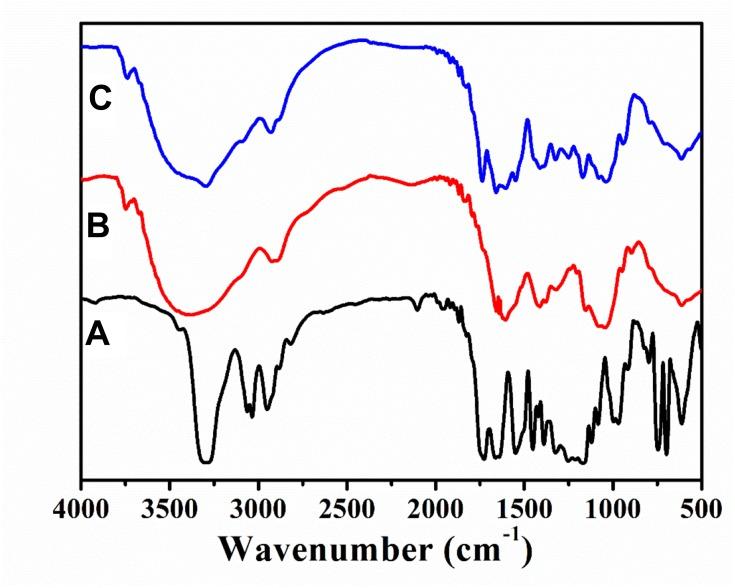
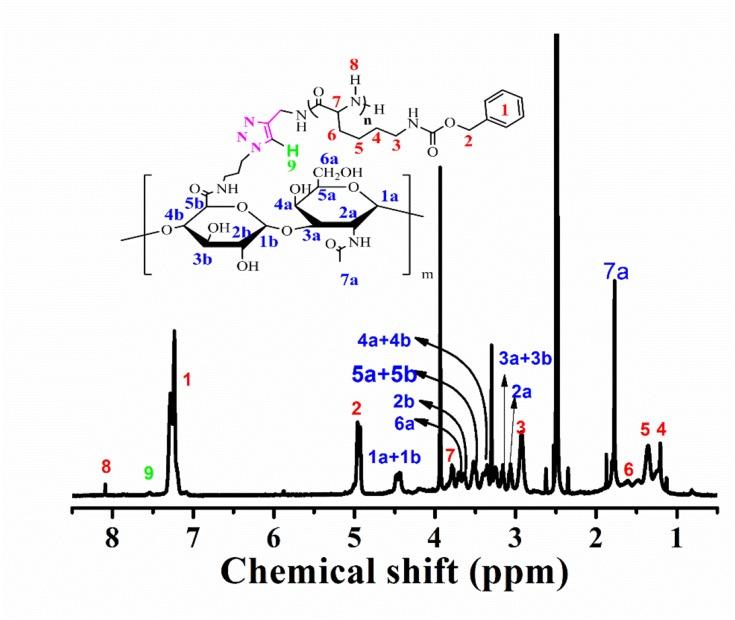
The amphiphilic hyaluronan acid (HA) derivative HA--PZLL was synthesized by grafting hydrophobic poly-(-ε-carbobenzyloxy-L-lysine) (PZLL) blocks onto hyaluronic acid by a click conjugation reaction. The obtained HA--PZLLs self-assembled into nanoparticles in the presence of AIE molecules and SPIO nanoparticles to produce tumor-targeted theranostic nanoparticles (SPIO/AIE@HA--PZLLs) with MR/FL dual-modal imaging ability. Cellular uptake of the theranostic nanoparticles was traced by confocal laser scanning microscopy (CLSM), flow cytometry and Prussian blue staining. The intracellular reactive oxygen species (ROS) generation characteristics of the theranostic nanoparticles were evaluated with CLSM and flow cytometry. The effect of PDT was evaluated by cytotoxicity assay. The dual-mode imaging ability of the nanoparticles was evaluated by a real-time near-infrared fluorescence imaging system and magnetic resonance imaging scanning.
RESULTS
The resulting theranostic nanoparticles not only emit red fluorescence for high-quality intracellular tracing but also effectively produce singlet oxygen for photodynamic tumor therapy. In vitro cytotoxicity experiments showed that these theranostic nanoparticles can be efficiently taken up and are mainly present in the cytoplasm of HepG2 cells. After internalization, these theranostic nanoparticles showed serious cytotoxicity to the growth of HepG2 cells after white light irradiation.
DISCUSSION
This work provides a simple method for the preparation of theranostic nanoparticles with AIE characteristics and MR contrast enhancement, and serves as a dual-modal imaging platform for image-guided tumor PDT.
简介
先进的肿瘤靶向治疗诊断纳米粒子在肿瘤诊断和治疗研究中发挥着关键作用。在本研究中,我们开发了一种基于两亲性透明质酸/聚-(-ε-羧基苄氧基-L-赖氨酸)衍生物(HA-PZLL)、超顺磁性氧化铁(SPIO)和聚集诱导发射(AIE)纳米粒子的多功能治疗诊断平台,用于肿瘤靶向磁共振(MR)和荧光(FL)双模态影像引导光动力治疗(PDT)。
材料与方法
通过点击偶联反应将疏水性聚-(-ε-羧基苄氧基-L-赖氨酸)(PZLL)链段接枝到透明质酸上,合成两亲性透明质酸衍生物 HA-PZLL。在 AIE 分子和 SPIO 纳米粒子的存在下,所得 HA-PZLL 自组装成纳米颗粒,产生具有 MR/FL 双模态成像能力的肿瘤靶向治疗诊断纳米颗粒(SPIO/AIE@HA-PZLL)。通过共聚焦激光扫描显微镜(CLSM)、流式细胞术和普鲁士蓝染色追踪治疗诊断纳米颗粒的细胞摄取情况。通过 CLSM 和流式细胞术评估治疗诊断纳米颗粒的细胞内活性氧(ROS)生成特性。通过细胞毒性测定评估 PDT 的效果。通过实时近红外荧光成像系统和磁共振成像扫描评估纳米颗粒的双模式成像能力。
结果
所得治疗诊断纳米颗粒不仅发出高质量的红色荧光进行细胞内示踪,而且有效产生单线态氧进行光动力肿瘤治疗。体外细胞毒性实验表明,这些治疗诊断纳米颗粒可以被高效摄取,主要存在于 HepG2 细胞的细胞质中。内化后,这些治疗诊断纳米颗粒在白光照射下对 HepG2 细胞的生长表现出严重的细胞毒性。
讨论
本工作提供了一种具有 AIE 特性和 MR 对比增强的治疗诊断纳米颗粒的简单制备方法,为图像引导肿瘤 PDT 的双模态成像平台提供了思路。





 Zotero 插件