
肥胖与 COVID-19 后不良结局之间的关联表明孟鲁司特可能具有潜在的治疗作用。
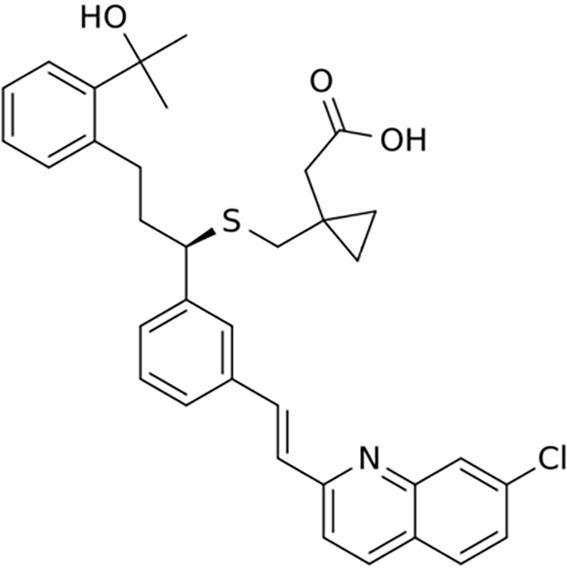
The association between obesity and poor outcome after COVID-19 indicates a potential therapeutic role for montelukast.
机构信息
Bariatric Fellow, Phoenix Health, Chester CH1 6LT, United Kingdom.
President British Obesity and Metabolic Surgery Society, Visiting Professor University of Chester, CEO Phoenix Health, United Kingdom.
出版信息
Med Hypotheses. 2020 Oct;143:109883. doi: 10.1016/j.mehy.2020.109883. Epub 2020 May 27.
It is widely believed that infection with the SARS-CoV-2 virus triggers a disproportionate immune response which causes a devastating systemic injury, particularly in individuals with obesity, itself a chronic, multi-organ inflammatory disease. Immune cells accumulate in visceral adipose tissue and together with paracrine adipocytes release a wide range of biologically active cytokines (including IL-1β, IL5, IL6 and IL8) that can result in both local, pulmonary and systemic inflammation. A more intense 'cytokine storm' is postulated as the mechanism behind the extreme immune response seen in severe COVID-19. It is striking how dangerous the combination of obesity and COVID-19 is, resulting in a greater risk of ICU admission and a higher mortality. Furthermore, patients from a BAME background appear to have increased mortality after SARS-CoV-2 infection; they also have a higher prevalence of central obesity and its metabolic complications. In the absence of an effective vaccine, the therapeutic potential of immune-modulating drugs is a priority, but the development of new drugs is expensive and time-consuming. A more pragmatic solution would be to seek to repurpose existing drugs, particularly those that might suppress the heightened cytokine activity seen in obesity, the major risk factor for a poor prognosis in COVID-19. Montelukast is a cysteinyl leukotriene receptor antagonist licensed to treat asthma and allergic rhinitis. It has been shown to diminish pulmonary response to antigen, tissue eosinophilia and IL-5 expression in inflammatory cells. It has also been shown to decrease elevated levels of IL-1β and IL8 in humans with viral upper respiratory tract infections compared with placebo-treated patients. In addition, in silico studies have demonstrated a high binding affinity of the montelukast molecule to the terminal site of the virus's main protease enzyme which is needed for virus RNA synthesis and replication. Montelukast, which is cheap, safe and widely available would appear to have the potential to be an ideal candidate drug for clinical trials, particularly in early stage disease before irreparable tissue damage has already occurred. HYPOTHESIS: Through a direct anti-viral effect, or by suppression of heightened cytokine release in response to SARS-CoV-2, montelukast will reduce the severity of immune-mediated multiorgan damage resulting from COVID-19, particularly in patients with central obesity and metabolic syndrome.
人们普遍认为,感染 SARS-CoV-2 病毒会引发不成比例的免疫反应,从而导致严重的全身损伤,尤其是在肥胖患者中,肥胖本身就是一种慢性、多器官炎症性疾病。免疫细胞在内脏脂肪组织中聚集,与旁分泌脂肪细胞一起释放出广泛的生物活性细胞因子(包括 IL-1β、IL5、IL6 和 IL8),这可能导致局部、肺部和全身炎症。人们推测,在严重 COVID-19 中看到的强烈“细胞因子风暴”是这种极端免疫反应的机制。令人震惊的是,肥胖症和 COVID-19 的结合是多么危险,导致 ICU 入院风险增加和死亡率升高。此外,来自 BAME 背景的患者在感染 SARS-CoV-2 后似乎死亡率增加;他们也更普遍地存在中心性肥胖及其代谢并发症。在没有有效疫苗的情况下,免疫调节药物的治疗潜力是当务之急,但开发新药既昂贵又耗时。一个更务实的解决方案是寻求重新利用现有药物,特别是那些可能抑制肥胖中所见的升高细胞因子活性的药物,肥胖是 COVID-19 预后不良的主要危险因素。孟鲁司特是一种半胱氨酰白三烯受体拮抗剂,被许可用于治疗哮喘和过敏性鼻炎。它已被证明可减少抗原引起的肺部反应、组织嗜酸性粒细胞增多和炎症细胞中的 IL-5 表达。与安慰剂治疗的患者相比,它还显示出可降低人类病毒性上呼吸道感染中升高的 IL-1β 和 IL8 水平。此外,计算机模拟研究表明,孟鲁司特分子与病毒主要蛋白酶酶的末端位点具有高结合亲和力,该酶对于病毒 RNA 的合成和复制是必需的。孟鲁司特价格便宜、安全且广泛可用,似乎有可能成为临床试验的理想候选药物,特别是在已经发生不可挽回的组织损伤之前的疾病早期。假设:通过直接抗病毒作用,或通过抑制对 SARS-CoV-2 的细胞因子释放增加,孟鲁司特将降低 COVID-19 引起的免疫介导的多器官损伤的严重程度,特别是在中心性肥胖和代谢综合征患者中。
 Zotero 插件