
脉氧仪在家中监测 COVID-19 患者:潜在陷阱与实用指南。
Pulse Oximetry for Monitoring Patients with COVID-19 at Home. Potential Pitfalls and Practical Guidance.
机构信息
Division of Pulmonary, Critical Care and Sleep Medicine, University of Washington, Seattle, Washington; and.
Medical Service, VA Puget Sound Health Care System, Seattle, Washington.
出版信息
Ann Am Thorac Soc. 2020 Sep;17(9):1040-1046. doi: 10.1513/AnnalsATS.202005-418FR.
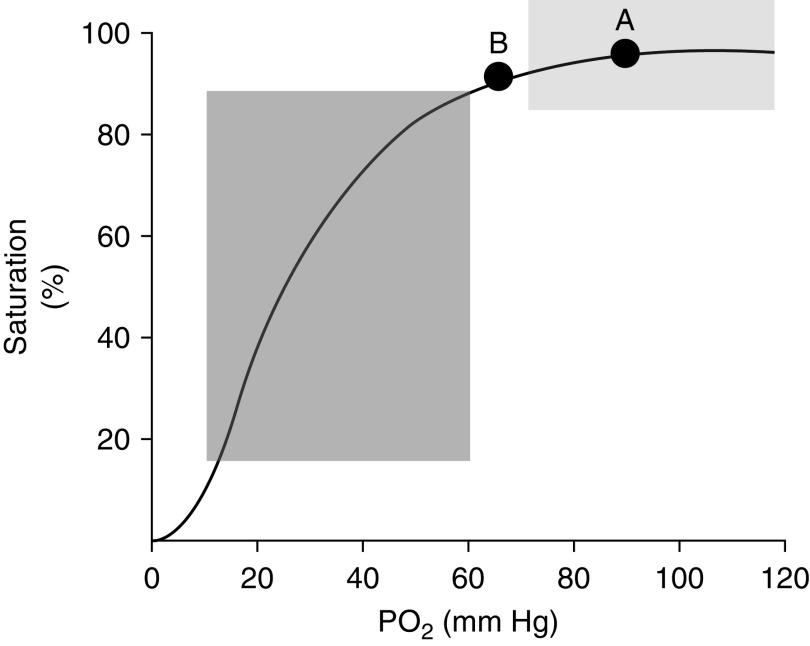
During the ongoing coronavirus disease (COVID-19) pandemic, reports in social media and the lay press indicate that a subset of patients are presenting with severe hypoxemia in the absence of dyspnea, a problem unofficially referred to as "silent hypoxemia." To decrease the risk of complications in such patients, one proposed solution has been to have those diagnosed with COVID-19 but not sick enough to warrant admission monitor their arterial oxygenation by pulse oximetry at home and present for care when they show evidence of hypoxemia. Though the ease of use and low cost of pulse oximetry makes this an attractive option for identifying problems at an early stage, there are important considerations with pulse oximetry about which patients and providers may not be aware that can interfere with successful implementation of such monitoring programs. Only a few independent studies have examined the performance of pocket oximeters and smart phone-based systems, but the limited available data raise questions about their accuracy, particularly as saturation falls below 90%. There are also multiple sources of error in pulse oximetry that must be accounted for, including rapid fluctuations in measurements when the arterial oxygen pressure/tension falls on the steep portion of the dissociation curve, data acquisition problems when pulsatile blood flow is diminished, accuracy in the setting of severe hypoxemia, dyshemoglobinemias, and other problems. Recognition of these issues and careful counseling of patients about the proper means for measuring their oxygen saturation and when to seek assistance can help ensure successful implementation of needed monitoring programs.
在持续的冠状病毒病(COVID-19)大流行期间,社交媒体和大众媒体的报道表明,一部分患者在没有呼吸困难的情况下出现严重低氧血症,这一问题被非正式地称为“沉默性低氧血症”。为了降低此类患者发生并发症的风险,一种建议的解决方案是让那些被诊断患有 COVID-19 但病情还没有严重到需要住院治疗的患者在家通过脉搏血氧仪监测动脉氧合,并在出现低氧血症迹象时就诊。尽管脉搏血氧仪易于使用且成本低廉,是早期发现问题的理想选择,但患者和医务人员可能没有意识到脉搏血氧仪在使用过程中有一些重要的注意事项,这些注意事项可能会干扰监测计划的成功实施。只有少数独立研究检查了口袋式血氧计和基于智能手机的系统的性能,但有限的可用数据对其准确性提出了质疑,特别是当饱和度降至 90%以下时。脉搏血氧仪还存在多个必须考虑的误差源,包括当动脉血氧分压/张力在离解曲线陡峭部分下降时测量值的快速波动、当搏动性血流减少时的数据采集问题、在严重低氧血症、异常血红蛋白血症和其他问题存在时的准确性。认识到这些问题,并仔细指导患者正确测量其氧饱和度的方法以及何时寻求帮助,可以帮助确保监测计划的成功实施。

 Zotero 插件