
用于提高肿瘤靶向能力和减少副作用的氧化还原双刺激响应型药物递送系统。
Redox dual-stimuli responsive drug delivery systems for improving tumor-targeting ability and reducing adverse side effects.
作者信息
Li Ruirui, Peng Feifei, Cai Jia, Yang Dandan, Zhang Peng
机构信息
School of Pharmacy, Shenyang Pharmaceutical University, Shenyang 110016, China.
出版信息
Asian J Pharm Sci. 2020 May;15(3):311-325. doi: 10.1016/j.ajps.2019.06.003. Epub 2019 Aug 21.
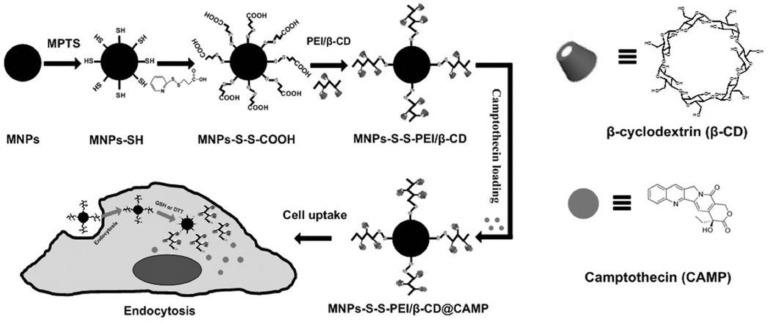
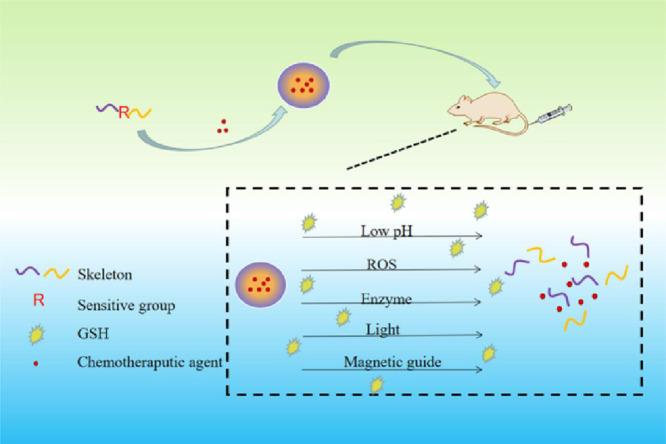
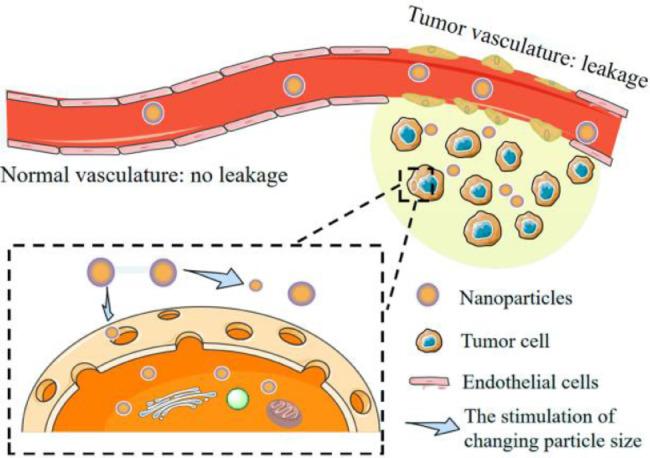
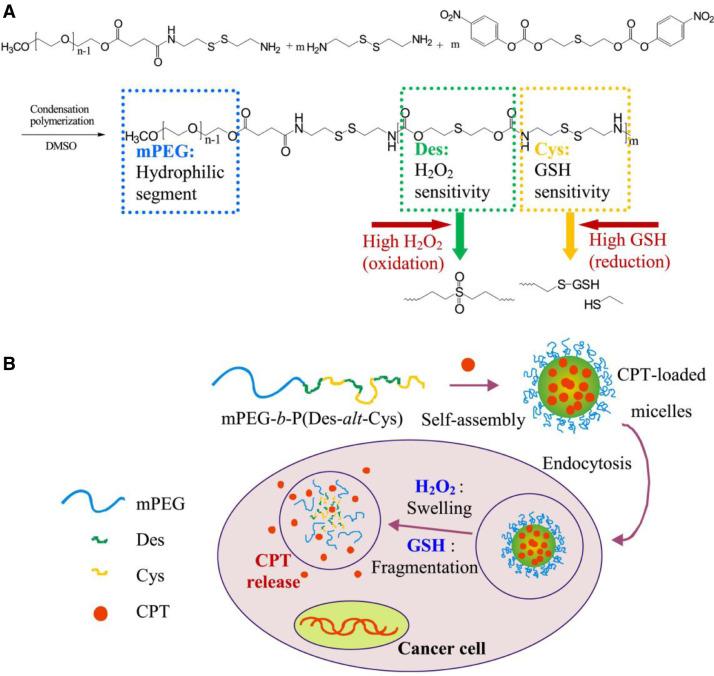
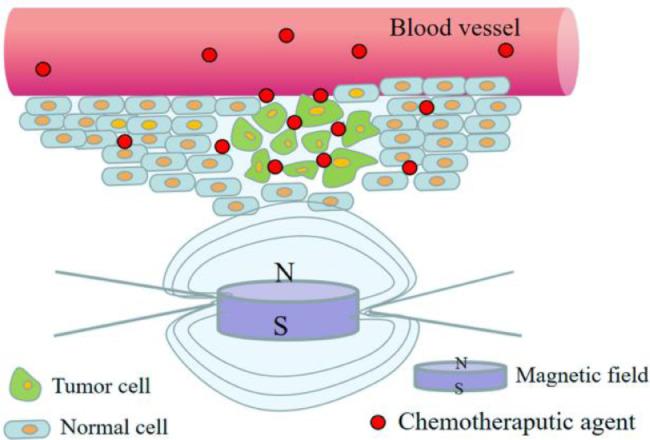
Cancer is a big challenge that has plagued the human beings for ages and one of the most effective treatments is chemotherapy. However, the low tumor-targeting ability limits the wide clinical application of chemotherapy. The microenvironment plays a critical role in many aspects of tumor genesis. It generates the tumor vasculature and it is highly implicated in the progression to metastasis. To maintain a suitable environment for tumor progression, there are special microenvironment in tumor cell, such as low pH, high level of glutathione (GSH) and reactive oxygen species (ROS), and more special enzymes, which is different to normal cell. Microenvironment-targeted therapy strategy could create new opportunities for therapeutic targeting. Compared to other targeting strategies, microenvironment-targeted therapy strategy will control the drug release into tumor cells more accurately. Redox responsive drug delivery systems (DDSs) are developed based on the high level of GSH in tumor cells. However, there are also GSH in normal cell though its level is lower. In order to control the release of drugs more accurately and reduce side effects, other drug release stimuli have been introduced to redox responsive DDSs. Under the synergistic reaction of two stimuli, redox dual-stimuli responsive DDSs will control the release of drugs more accurately and quickly and even increase the accumulation. This review summarizes strategies of redox dual-stimuli responsive DDSs such as pH, light, enzyme, ROS, and magnetic guide to delivery chemotherapeutic agents more accurately, aiming at providing new ideas for further promoting the drug release, enhancing tumor-targeting and improving anticancer effects. To better illustrate the redox dual-stimuli responsive DDS, preparations of carriers are also briefly described in the review.
癌症是困扰人类已久的重大挑战,化疗是最有效的治疗方法之一。然而,低肿瘤靶向能力限制了化疗的广泛临床应用。微环境在肿瘤发生的许多方面起着关键作用。它生成肿瘤血管,并且与肿瘤转移的进展高度相关。为了维持适合肿瘤进展的环境,肿瘤细胞中存在特殊的微环境,如低pH值、高水平的谷胱甘肽(GSH)和活性氧(ROS),以及更多特殊的酶,这与正常细胞不同。微环境靶向治疗策略可为治疗靶向创造新机会。与其他靶向策略相比,微环境靶向治疗策略将更准确地控制药物向肿瘤细胞的释放。基于肿瘤细胞中高水平的GSH开发了氧化还原响应性药物递送系统(DDS)。然而,正常细胞中也存在GSH,尽管其水平较低。为了更准确地控制药物释放并减少副作用,已将其他药物释放刺激引入氧化还原响应性DDS。在两种刺激的协同反应下,氧化还原双刺激响应性DDS将更准确、快速地控制药物释放,甚至增加药物积累。本综述总结了氧化还原双刺激响应性DDS的策略,如pH、光、酶、ROS和磁导向,以更准确地递送化疗药物,旨在为进一步促进药物释放、增强肿瘤靶向性和提高抗癌效果提供新思路。为了更好地说明氧化还原双刺激响应性DDS,本综述还简要描述了载体的制备。


 Zotero 插件