
迈向乳膏制剂的可持续发展
Progressing Towards the Sustainable Development of Cream Formulations.
作者信息
Simões Ana, Veiga Francisco, Vitorino Carla
机构信息
Faculty of Pharmacy, University of Coimbra, 3000-548 Coimbra, Portugal.
Associated Laboratory for Green Chemistry of the Network of Chemistry and Technology (LAQV/REQUIMTE), Group of Pharmaceutical Technology, Faculty of Pharmacy, University of Coimbra, 3000-548 Coimbra, Portugal.
出版信息
Pharmaceutics. 2020 Jul 9;12(7):647. doi: 10.3390/pharmaceutics12070647.
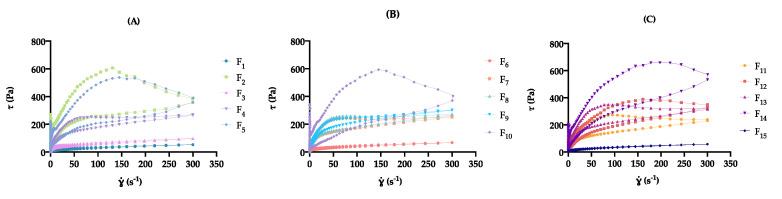
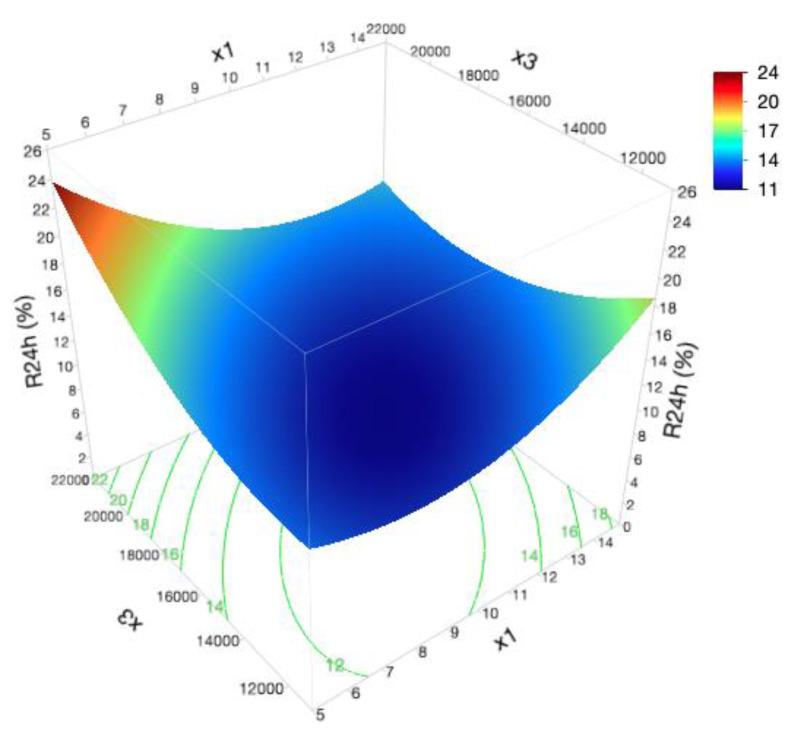
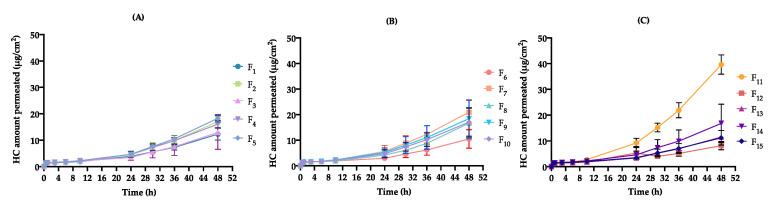
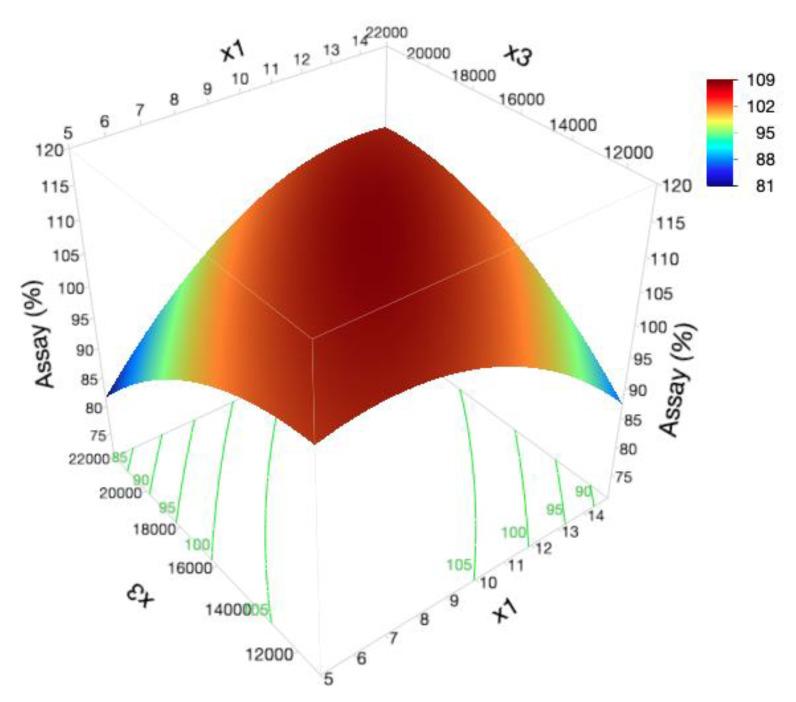
This work aims at providing the assumptions to assist the sustainable development of cream formulations. Specifically, it envisions to rationalize and predict the effect of formulation and process variability on a 1% hydrocortisone cream quality profile, interplaying microstructure properties with product performance and stability. This tripartite analysis was supported by a Quality by Design approach, considering a three-factor, three-level Box-Behnken design. Critical material attributes and process parameters were identified from a failure mode, effects, and criticality analysis. The impact of glycerol monostearate amount, isopropyl myristate amount, and homogenization rate on relevant quality attributes was estimated crosswise. The significant variability in product droplet size, viscosity, thixotropic behavior, and viscoelastic properties demonstrated a noteworthy influence on hydrocortisone release profile (112±2-196±7 μg/cm/√h) and permeation behavior (0.16±0.03-0.97±0.08 μg/cm/h), and on the assay, instability index and creaming rate, with values ranging from 81.9 to 120.5%, 0.031±0.012 to 0.28±0.13 and from 0.009±0.000 to 0.38±0.07 μm/s, respectively. The release patterns were not straightforwardly correlated with the permeation behavior. Monitoring the microstructural parameters, through the balanced adjustment of formulation and process variables, is herein highlighted as the key enabler to predict cream performance and stability. Finally, based on quality targets and response constraints, optimal working conditions were successfully attained through the establishment of a design space.
这项工作旨在提供相关假设,以助力乳膏制剂的可持续发展。具体而言,其设想是使制剂和工艺变异性对1%氢化可的松乳膏质量概况的影响合理化并进行预测,将微观结构特性与产品性能及稳定性相互关联起来。这种三方分析得到了质量源于设计方法的支持,该方法考虑了三因素、三水平的Box-Behnken设计。通过失效模式、效应及关键性分析确定了关键物料属性和工艺参数。交叉评估了单硬脂酸甘油酯用量、肉豆蔻酸异丙酯用量及均质速率对相关质量属性的影响。产品液滴大小、粘度、触变行为和粘弹性特性的显著变异性对氢化可的松释放曲线(112±2 - 196±7 μg/cm/√h)和渗透行为(0.16±0.03 - 0.97±0.08 μg/cm/h),以及含量测定、不稳定性指数和乳膏分层速率均显示出显著影响,其值分别在81.9%至120.5%、0.031±0.012至0.28±0.13以及0.009±0.000至0.38±0.07 μm/s范围内。释放模式与渗透行为并非直接相关。通过平衡调整制剂和工艺变量来监测微观结构参数,在此被强调为预测乳膏性能和稳定性的关键因素。最后,基于质量目标和响应约束,通过建立设计空间成功实现了最佳工作条件。



 Zotero 插件