
健康犬和患关节炎犬的肠道微生物群
Gut Microbiome of Healthy and Arthritic Dogs.
作者信息
Cintio Michela, Scarsella Elisa, Sgorlon Sandy, Sandri Misa, Stefanon Bruno
机构信息
Department of Agriculture, Food, Environmental and Animal Science, University of Udine, 33100 Udine, Italy.
出版信息
Vet Sci. 2020 Jul 14;7(3):92. doi: 10.3390/vetsci7030092.
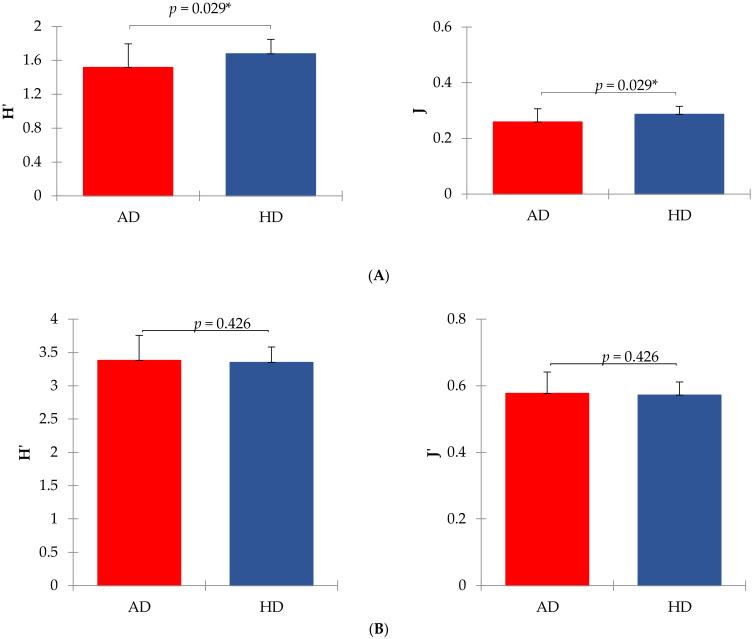
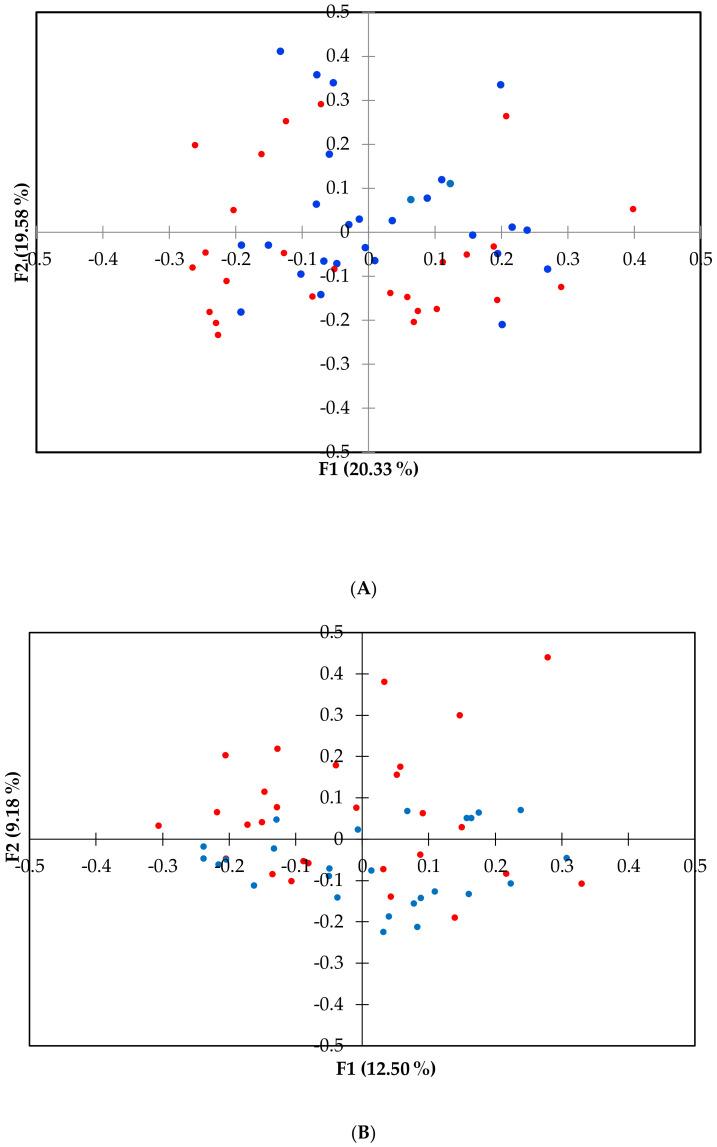
Several studies have underlined the interplay among host-microbiome and pathophysiological conditions of animals. Research has also focused specifically on whether and how changes in the gut microbiome have provoked the occurrence of pathological phenomena affecting cartilage and joints in humans and in laboratory animals. Here, we tried to evaluate the relationship between the gut microbiome and the hip and elbow arthritis in owned dogs. The study included 14 dogs suffering from chronic arthritis (AD) and 13 healthy dogs (HD). After the first visit and during the period of the study, the dogs, under the supervision of the owner, were fed a semi-moist complete diet supplemented with omega 3 fatty acids. Feces and blood samples were collected in the clinic at the first visit (T0) and after days (T45). The plasma C-reactive protein (CRP) was higher, and the serum vitamin B12 and folate concentrations were lower ( 0.05) in the AD group in comparison to the HD group. Data of the fecal microbiome showed that the relative abundances of the genus were higher in AD ( 0.001), while the relative abundance of the families Paraprevotellaceae, Porphyromonadaceae, and Mogibacteriaceae was significantly lower in comparison to HD. The results of the study identified several bacterial groups that differed significantly in the fecal microbiome between healthy and diseased dogs. If the observed differences in fecal bacterial composition predispose dogs to hip and elbow arthritis or if these differences reflect a correlation with these conditions deserves further investigation.
多项研究强调了宿主微生物群与动物病理生理状况之间的相互作用。研究还特别关注肠道微生物群的变化是否以及如何引发了影响人类和实验动物软骨及关节的病理现象。在此,我们试图评估家养犬肠道微生物群与髋关节炎和肘关节炎之间的关系。该研究包括14只患有慢性关节炎(AD)的犬和13只健康犬(HD)。在首次就诊后以及研究期间,这些犬在主人的监督下,被喂食一种添加了ω-3脂肪酸的半湿全价日粮。在首次就诊时(T0)和数天后(T45)在诊所采集粪便和血液样本。与HD组相比,AD组血浆C反应蛋白(CRP)较高,血清维生素B12和叶酸浓度较低(P<0.05)。粪便微生物群数据显示,AD组中某属的相对丰度较高(P<0.001),而与HD组相比,副普雷沃氏菌科、卟啉单胞菌科和毛杆菌科的相对丰度显著较低。该研究结果确定了健康犬和患病犬粪便微生物群中几个有显著差异的细菌类群。观察到的粪便细菌组成差异是否使犬易患髋关节炎和肘关节炎,或者这些差异是否反映了与这些病症的相关性,值得进一步研究。

 Zotero 插件