
用制革废水灌溉时,补充锌赖氨酸可通过防止铬的植物毒性减轻油菜中的氧化应激。
Zinc-lysine Supplementation Mitigates Oxidative Stress in Rapeseed ( L.) by Preventing Phytotoxicity of Chromium, When Irrigated with Tannery Wastewater.
作者信息
Zaheer Ihsan Elahi, Ali Shafaqat, Saleem Muhammad Hamzah, Arslan Ashraf Muhammad, Ali Qurban, Abbas Zohaib, Rizwan Muhammad, El-Sheikh Mohamed A, Alyemeni Mohammed Nasser, Wijaya Leonard
机构信息
Department of Environmental Sciences and Engineering, Government College University Allama Iqbal Road, Faisalabad 38000, Pakistan.
Department of Biological Sciences and Technology, China Medical University, Taichung 40402, Taiwan.
出版信息
Plants (Basel). 2020 Sep 4;9(9):1145. doi: 10.3390/plants9091145.
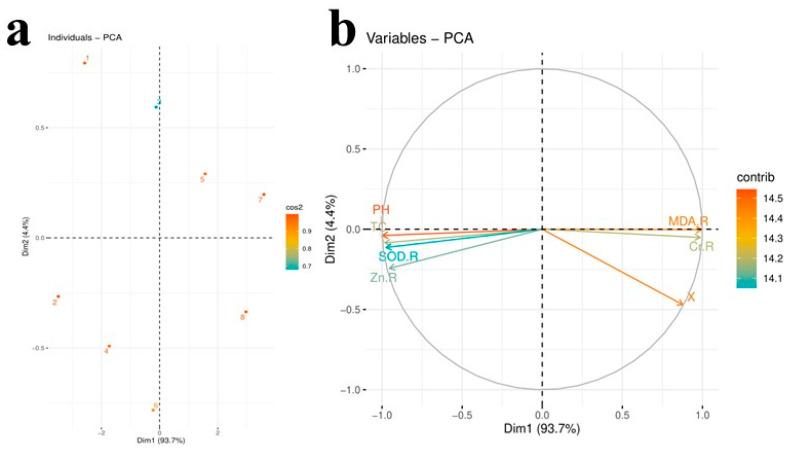
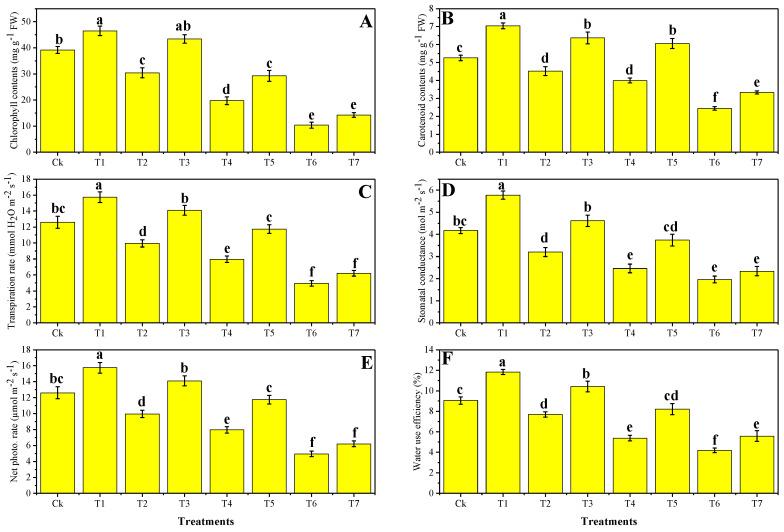
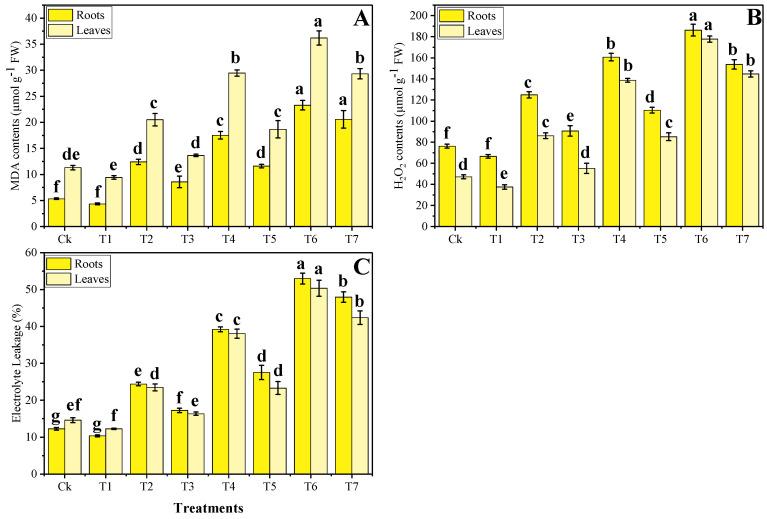
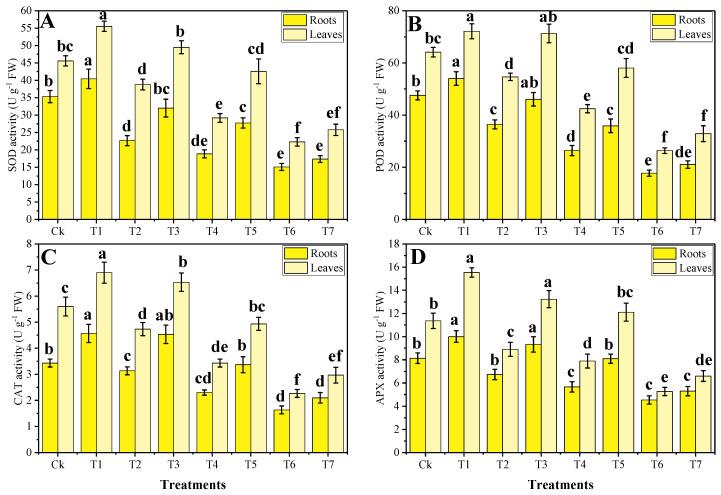
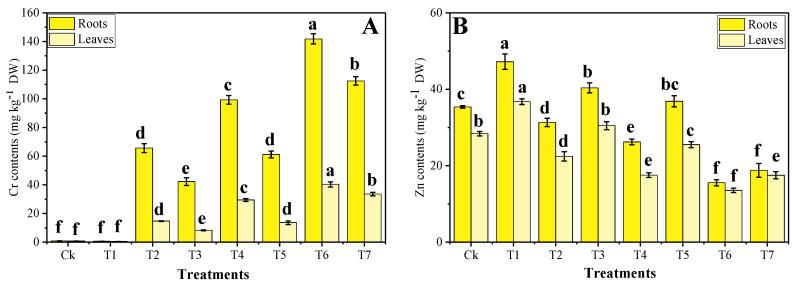
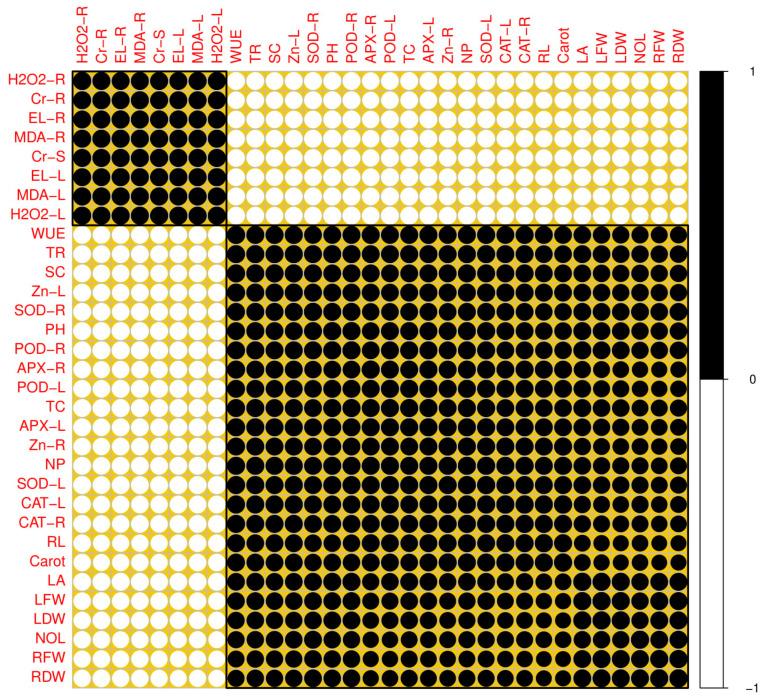
Contamination of soil and water with metals and metalloids is one of the most serious problems worldwide due to a lack of a healthy diet and food scarcity. Moreover, the cultivation of oilseed crops such as rapeseed ( L.) with tannery wastewater could contain a large amount of toxic heavy metals [e.g., chromium (Cr)], which ultimately reduce its yield and directly influence oilseed quality. To overcome Cr toxicity in , a pot experiment was conducted to enhance plant growth and biomass by using newly introduced role of micronutrient-amino chelates [Zinc-lysine (Zn-lys)], which was irrigated with different levels [0% (control), 33%, 66%, and 100%] of tannery wastewater. According to the results of present findings, very high content of Cr in the wastewater directly affected plant growth and composition as well as gas exchange parameters, while boosting up the production of reactive oxygen species (ROS) and induced oxidative damage in the roots and leaves of . However, activities of antioxidants initially increased (33% of wastewater), but further addition of tannery wastewater in the soil caused a decrease in antioxidant enzymes, which also manifested by Zn content, while the conscious addition of wastewater significantly increased Cr content in the roots and shoots of . To reduce Cr toxicity in plants, exogenous supplementation of Zn-lys (10 mg/L) plays an effective role in increasing morpho-physiological attributes of and also reduces the oxidative stress in the roots and leaves of the oilseed crop (). Enhancement in different growth attributes was directly linked with increased in antioxidative enzymes while decreased uptake and accumulation of Cr content in when cultivated in wastewater with the application of Zn-lys. Zn-lys, therefore, plays a protective role in reducing the Cr toxicity of through an increase in plant growth and lowering of Cr uptake in various plant organs. However, further studies at field levels are required to explore the mechanisms of Zn-lys mediated reduction of Cr and possibly other heavy metal toxicity in plants.
由于缺乏健康饮食和食物短缺,土壤和水体受到金属及类金属污染是全球最严重的问题之一。此外,用制革废水灌溉油菜等油料作物,可能会使其含有大量有毒重金属(如铬),最终导致产量降低并直接影响油料品质。为克服油菜的铬毒性,开展了一项盆栽试验,通过使用新引入的微量营养素 - 氨基酸螯合物[锌 - 赖氨酸(Zn - lys)]来促进植物生长和生物量,试验用不同浓度(0%(对照)、33%、66%和100%)的制革废水进行灌溉。根据目前的研究结果,废水中极高含量的铬直接影响植物生长、组成以及气体交换参数,同时增加活性氧(ROS)的产生并在油菜的根和叶中引发氧化损伤。然而,抗氧化剂活性最初有所增加(33%废水处理时),但土壤中进一步添加制革废水会导致抗氧化酶活性下降,这也体现在锌含量上,而有意识地添加废水显著增加了油菜根和地上部分的铬含量。为降低油菜植物中的铬毒性,外源补充Zn - lys(10 mg/L)在增加油菜形态生理特性方面发挥了有效作用,还降低了油料作物根和叶中的氧化应激。不同生长特性的增强与抗氧化酶的增加直接相关,同时在施用Zn - lys的废水中种植时,油菜对铬的吸收和积累减少。因此,Zn - lys通过促进植物生长和降低各种植物器官对铬的吸收,在降低油菜铬毒性方面发挥了保护作用。然而,需要在田间水平进行进一步研究,以探索Zn - lys介导降低植物中铬以及可能的其他重金属毒性的机制。

 Zotero 插件