
新冠疫情与食品:现有认知、风险、消费者担忧及安全性
Covid-19 pandemic and food: Present knowledge, risks, consumers fears and safety.
作者信息
Duda-Chodak Aleksandra, Lukasiewicz Marcin, Zięć Gabriela, Florkiewicz Adam, Filipiak-Florkiewicz Agnieszka
机构信息
Faculty of Food Technology, University of Agriculture in Krakow, ul. Balicka 122, PL30-149, Krakow, Poland.
出版信息
Trends Food Sci Technol. 2020 Nov;105:145-160. doi: 10.1016/j.tifs.2020.08.020. Epub 2020 Sep 9.
BACKGROUND
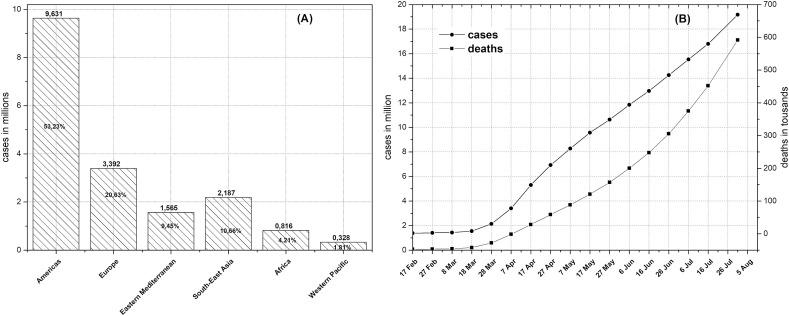
COVID-19 is a pandemic disease that has paralyzed social life and the economy around the world since the end of 2019, and which has so far killed nearly 600,000 people. The rapidity of its spread and the lack of detailed research on the course and methods of transmission significantly impede both its eradication and prevention.
SCOPE AND APPROACH
Due to the high transmission rate and fatality resulting from COVID-19 disease, the paper focuses on analyzing the current state of knowledge about SARS-CoV-2 as well as its potential connection with food as a source of pathogen and infection.
KEY FINDINGS AND CONCLUSIONS
There is currently no evidence (scientific publications, WHO, EFSA etc.) that COVID-19 disease can spread directly through food and the human digestive system. However, according to the hypothesis regarding the primary transmission of the virus, the source of which was food of animal origin (meat of wild animals), as well as the fact that food is a basic necessity for humans, it is worth emphasizing that food can, if not directly, be a carrier of the virus. Particular attention should be paid to this indirect pathway when considering the potential for the spread of an epidemic and the development of prevention principles.
背景
自2019年底以来,新型冠状病毒肺炎(COVID-19)这一全球性大流行病使世界各地的社会生活和经济陷入瘫痪,截至目前已造成近60万人死亡。其传播速度之快以及对传播过程和途径缺乏详细研究,严重阻碍了对该疾病的根除和预防工作。
范围与方法
鉴于COVID-19疾病的高传播率和致死率,本文着重分析关于严重急性呼吸综合征冠状病毒2(SARS-CoV-2)的现有知识状况,以及它与作为病原体和感染源的食物之间的潜在联系。
主要发现与结论
目前尚无证据(科学出版物、世界卫生组织、欧洲食品安全局等)表明COVID-19疾病可通过食物和人体消化系统直接传播。然而,根据关于病毒最初传播源为动物源性食物(野生动物肉类)的假设,以及食物是人类基本必需品这一事实,值得强调的是,食物即便不是直接传播途径,也可能成为病毒载体。在考虑疫情传播可能性和制定预防原则时,应特别关注这一间接传播途径。

 Zotero 插件