
从细胞培养中在人抗体存在下生长的两种乙型流感病毒的基因组变异体比较中获得的认识。
Insights from the comparison of genomic variants from two influenza B viruses grown in the presence of human antibodies in cell culture.
机构信息
Office of Vaccine Research and Review, US Food and Drug Administration, Silver Spring, Maryland, United States of America.
出版信息
PLoS One. 2020 Sep 14;15(9):e0239015. doi: 10.1371/journal.pone.0239015. eCollection 2020.
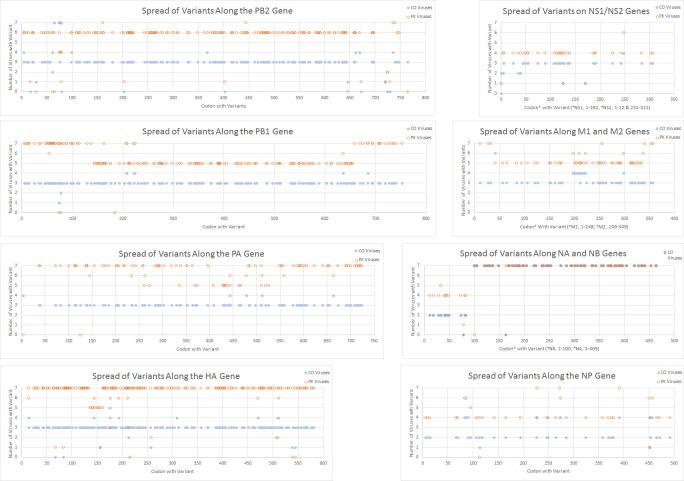
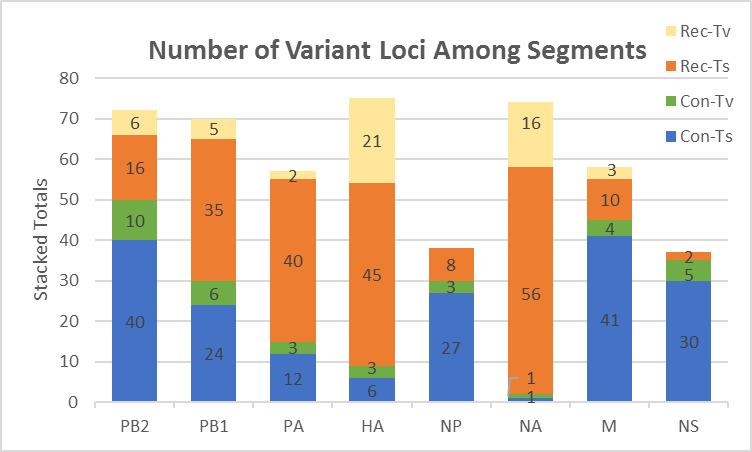
Understanding the extent and limitation of viral genome evolution can provide insight about potential drug and vaccine targets. Influenza B Viruses (IBVs) infect humans in a seasonal manner and causes significant morbidity and mortality. IBVs are negative-sense single-stranded RNA viruses with a segmented genome and can be divided into two antigenically distinct lineages. The two lineages have been circulating and further evolving for almost four decades. The immune response to IBV infection can lead to antibodies that target the strain causing the infection. Some antibodies are cross-reactive and are able to bind strains from both lineages but, because of antigenic drift and immunodominance, both lineages continue to evolve and challenge human health. Here we investigate changes in the genomes of an IBVs from each lineage after passage in tissue culture in the presence of human sera containing polyclonal antibodies directed toward antigenically and temporally distinct viruses. Our previous analysis of the fourth segment, which encodes the major surface protein HA, revealed a pattern of change in which signature sequences from one lineage mutated to the signature sequences of the other lineage. Here we analyze genes from the other genomic segments and observe that most of the quasispecies' heterogeneity occurs at the same loci in each lineage. The nature of the variants at these loci are investigated and possible reasons for this pattern are discussed. This work expands our understanding of the extent and limitations of genomic change in IBV.
了解病毒基因组进化的程度和局限性可以为潜在的药物和疫苗靶点提供深入的了解。乙型流感病毒(IBV)呈季节性感染人类,并导致显著的发病率和死亡率。IBV 是具有分段基因组的负义单链 RNA 病毒,可分为两个在抗原上明显不同的谱系。这两个谱系已经存在了近四十年,并在进一步进化。IBV 感染引起的免疫反应会产生针对引起感染的毒株的抗体。一些抗体具有交叉反应性,能够与两个谱系的毒株结合,但由于抗原漂移和免疫优势,两个谱系仍在继续进化,挑战人类健康。在这里,我们研究了在含有针对抗原和时间上不同病毒的多克隆抗体的人血清存在的情况下,在组织培养中传代的两种 IBV 基因组的变化。我们之前对第四段基因(编码主要表面蛋白 HA)的分析表明,一个谱系的特征序列发生突变,成为另一个谱系的特征序列。在这里,我们分析了其他基因组片段的基因,并观察到大多数准种的异质性出现在每个谱系的相同位置。对这些位置的变异的性质进行了研究,并讨论了这种模式的可能原因。这项工作扩展了我们对 IBV 基因组变化程度和局限性的理解。

 Zotero 插件