
成纤维细胞活化蛋白(FAP)特异性PET的临床结果及其对放射治疗计划的影响:系统评价
Clinical Results of Fibroblast Activation Protein (FAP) Specific PET and Implications for Radiotherapy Planning: Systematic Review.
作者信息
Windisch Paul, Zwahlen Daniel R, Koerber Stefan A, Giesel Frederik L, Debus Jürgen, Haberkorn Uwe, Adeberg Sebastian
机构信息
Department of Radiation Oncology, Kantonsspital Winterthur, 8400 Winterthur, Switzerland.
Department of Radiation Oncology, Heidelberg University Hospital, 69120 Heidelberg, Germany.
出版信息
Cancers (Basel). 2020 Sep 15;12(9):2629. doi: 10.3390/cancers12092629.
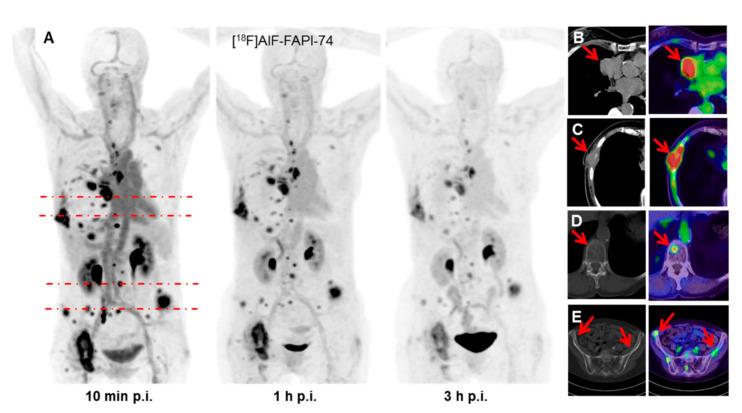
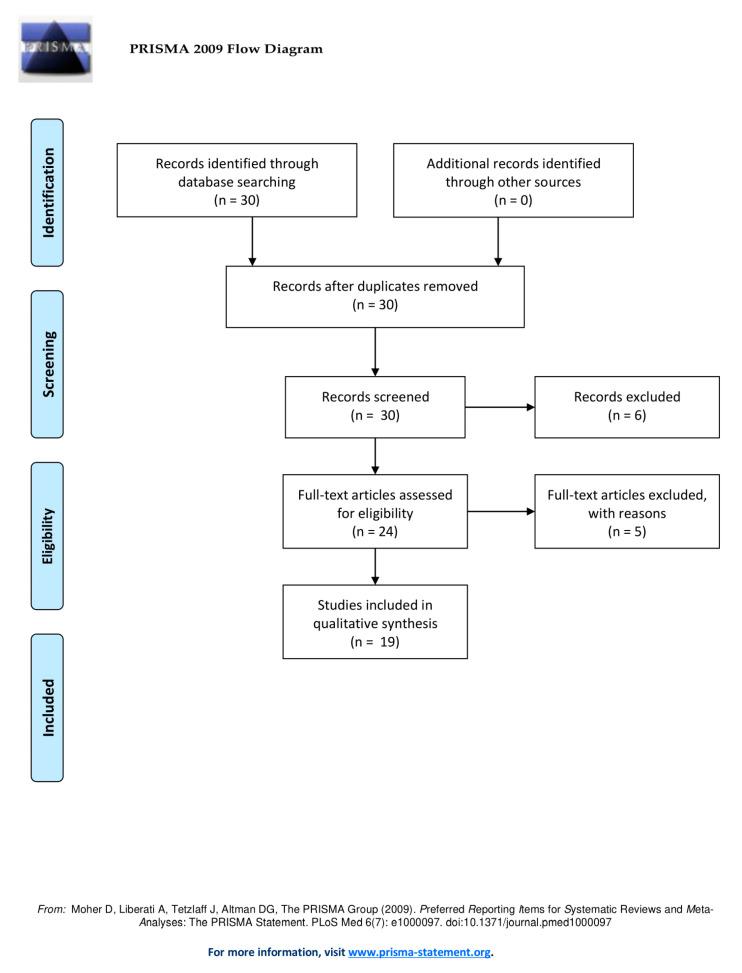
Small molecules targeting fibroblast activation protein (FAP) have emerged as a new group of tracers for positron emission tomography (PET) in 2018. The purpose of this systematic review is therefore to summarize the evidence that has been gathered to date in patients and to discuss its possible implications for radiotherapy planning. The MEDLINE database was searched for the use of FAP-specific PET in cancer patients and the records were screened according to PRISMA guidelines. Nineteen studies were included. While dedicated analyses of FAP-specific PET for radiotherapy planning were available for glioblastoma, head and neck cancers, lung cancer, and tumors of the lower gastrointestinal tract, there is still very limited data for several epidemiologically significant cancers. In conclusion, FAP-specific PET represents a promising imaging modality for radiotherapy planning that warrants further research.
2018年,靶向成纤维细胞活化蛋白(FAP)的小分子已成为正电子发射断层扫描(PET)的一类新型示踪剂。因此,本系统评价的目的是总结迄今为止在患者中收集到的证据,并讨论其对放射治疗计划的潜在影响。检索MEDLINE数据库中FAP特异性PET在癌症患者中的应用情况,并根据PRISMA指南筛选记录。纳入了19项研究。虽然已有针对胶质母细胞瘤、头颈癌、肺癌和下消化道肿瘤的FAP特异性PET用于放射治疗计划的专门分析,但对于几种具有重要流行病学意义的癌症,数据仍然非常有限。总之,FAP特异性PET是一种很有前景的用于放射治疗计划的成像方式,值得进一步研究。
 Zotero 插件