
口腔微生物组中的细菌多样性和抗生素耐药基因的流行情况。
Bacterial diversity and prevalence of antibiotic resistance genes in the oral microbiome.
机构信息
School of Pharmacy, Federal University of Bahia, Salvador, Bahia, Brazil.
Gonçalo Moniz Research Institute, Oswaldo Cruz Foundation, Salvador, Bahia, Brazil.
出版信息
PLoS One. 2020 Sep 29;15(9):e0239664. doi: 10.1371/journal.pone.0239664. eCollection 2020.
OBJECTIVES
This study aims to describe the oral microbiome diversity and prevalence of ARGs in periodontal health and disease.
BACKGROUND
The human oral cavity harbors a complex microbial community known as the oral microbiome. These organisms are regularly exposed to selective pressures, such as the usage of antibiotics, which drive evolution and acquisition of antibiotic resistance genes (ARGs). Resistance among oral bacteria jeopardizes not only antibiotic therapy for oral infections, but also extra-oral infections caused by bacterial translocation.
METHODS
We carried out a cross-sectional investigation. Saliva and subgingival plaque samples were collected during a clinical exam. 16S rRNA gene sequencing was performed to assess microbial diversity. Resistance genes were identified through PCR assays.
RESULTS
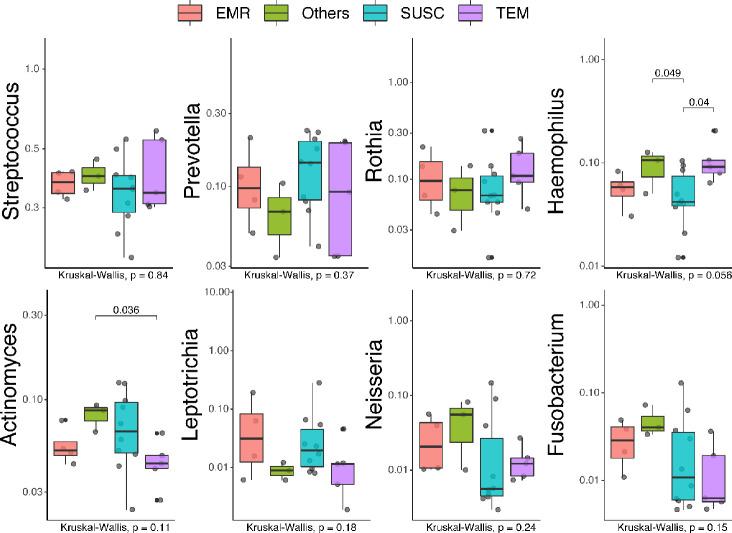
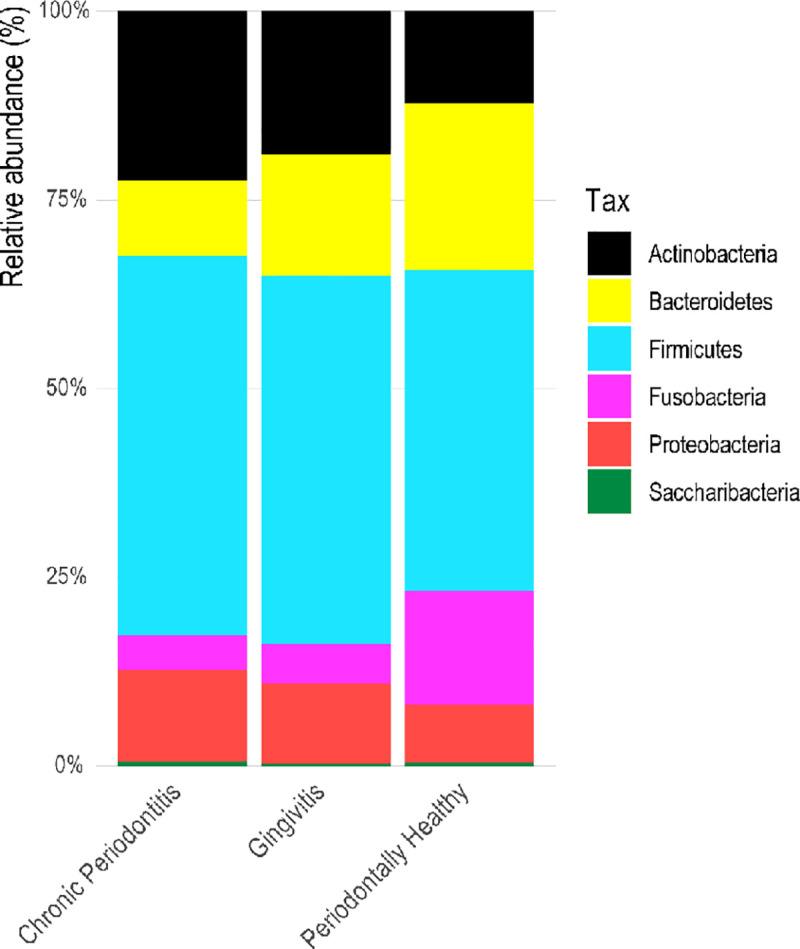
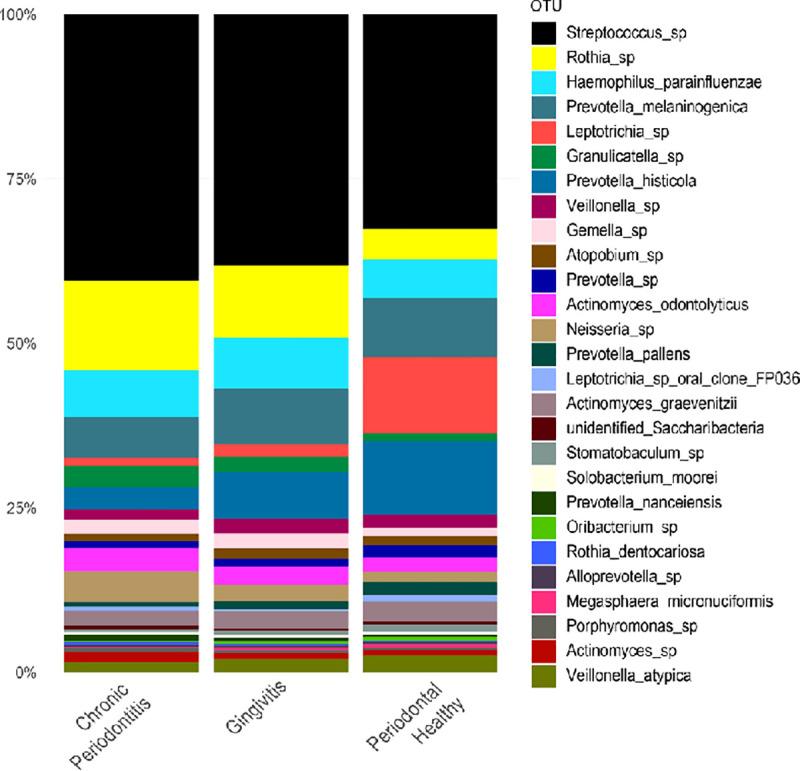
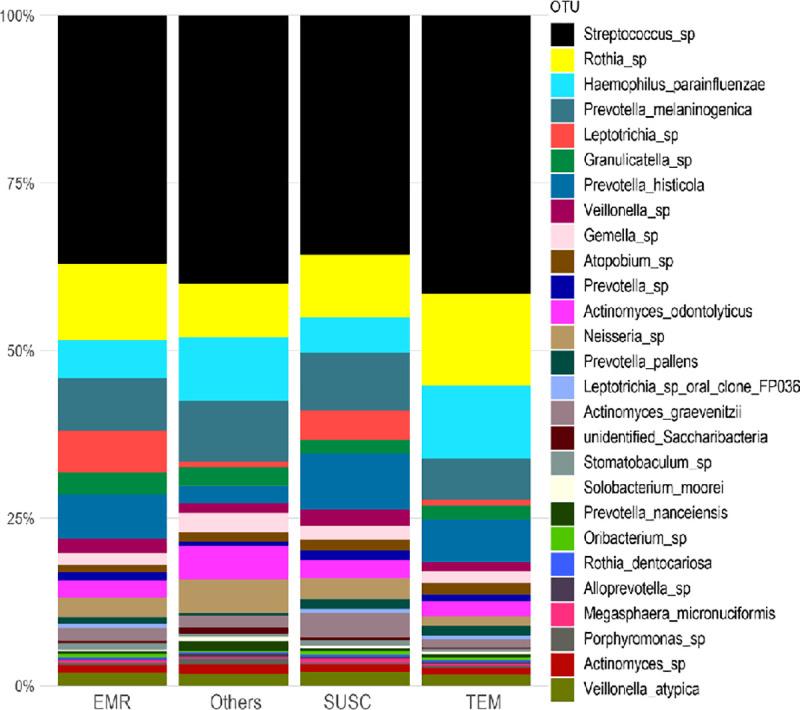
Of the 110 participants, only 22.7% had healthy periodontium, while the majority was diagnosed with gingivitis (55.4%) and chronic periodontitis (21.8%). The composition of the oral microbiota differed from healthy and diseased samples, being Streptococcus spp. and Rothia spp. predominant in periodontal disease. Regarding ARGs, 80 (72.7%) samples were positive for at least one of genes screened, erm being the most frequent variant (58.2%), followed by blaTEM (16.4%), mecA (2.7%), pbp2b and aac(6 ') (1.8%). Neither genes coding resistance to carbapenems nor metronidazole were detected.
CONCLUSIONS
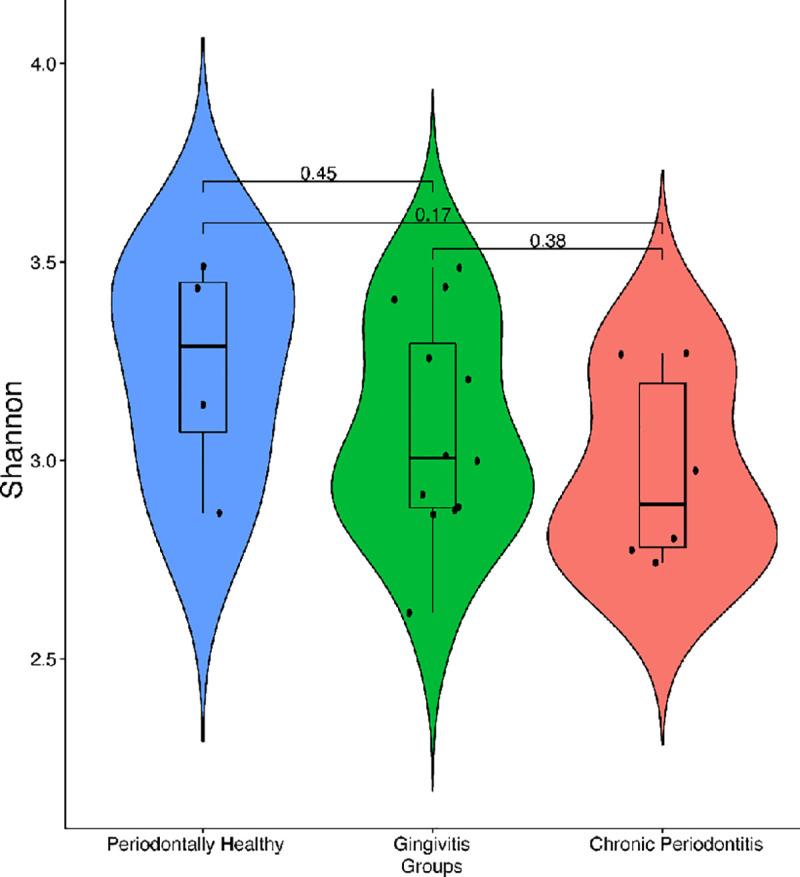
Our findings indicate that there are no significant differences in terms of taxonomic enrichment between healthy and diseased oral microbiomes. However, samples retrieved from healthy patients had a more diverse microbial community, whereas diseased samples have lower taxonomic diversity. We have also identified clinically relevant ARGs, providing baseline information to guide antibiotic prescription in dentistry.
目的
本研究旨在描述牙周健康和疾病中的口腔微生物组多样性和抗生素耐药基因 (ARG) 的流行情况。
背景
人类口腔中存在着一种复杂的微生物群落,称为口腔微生物组。这些生物体经常受到选择性压力的影响,例如抗生素的使用,这会推动抗生素耐药基因的进化和获得。口腔细菌的耐药性不仅危及口腔感染的抗生素治疗,还危及细菌易位引起的口腔外感染。
方法
我们进行了一项横断面研究。在临床检查期间收集唾液和龈下菌斑样本。通过 16S rRNA 基因测序评估微生物多样性。通过 PCR 检测鉴定耐药基因。
结果
在 110 名参与者中,只有 22.7%的人具有健康的牙周组织,而大多数人被诊断为牙龈炎(55.4%)和慢性牙周炎(21.8%)。口腔微生物组的组成与健康和患病样本不同,牙周病中主要是链球菌属和罗特氏菌属。关于 ARGs,80(72.7%)个样本至少对筛选的一个基因呈阳性,erm 是最常见的变体(58.2%),其次是 blaTEM(16.4%)、mecA(2.7%)、pbp2b 和 aac(6')(1.8%)。未检测到编码对碳青霉烯类和甲硝唑耐药的基因。
结论
我们的研究结果表明,健康和患病口腔微生物组在分类富集方面没有显著差异。然而,从健康患者中提取的样本具有更多样化的微生物群落,而患病样本的分类多样性较低。我们还鉴定了具有临床意义的 ARGs,为指导牙科抗生素处方提供了基线信息。
 Zotero 插件