
SARS-CoV-2 刺突蛋白细胞表位和糖基化特征在 COVID-19 全球传播过程中的变化。
Variations in SARS-CoV-2 Spike Protein Cell Epitopes and Glycosylation Profiles During Global Transmission Course of COVID-19.
机构信息
Department of Infectious Diseases, Research Laboratory of Clinical Virology, National Research Center for Translational Medicine, Ruijin Hospital, Shanghai Jiao Tong University School of Medicine, Shanghai, China.
Department of Digestive Diseases, Ruijin Hospital North, Shanghai Jiao Tong University School of Medicine, Shanghai, China.
出版信息
Front Immunol. 2020 Sep 4;11:565278. doi: 10.3389/fimmu.2020.565278. eCollection 2020.
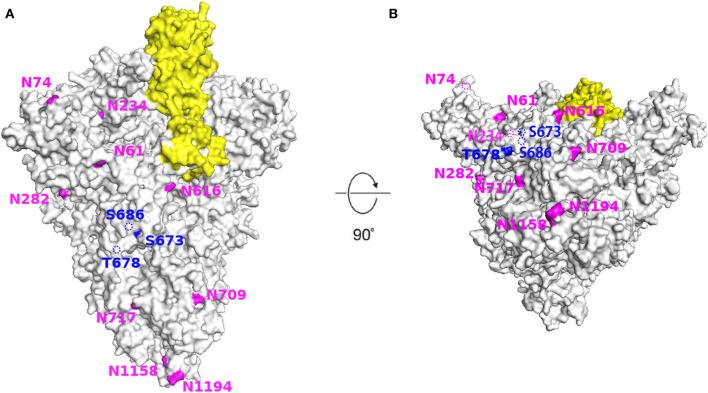
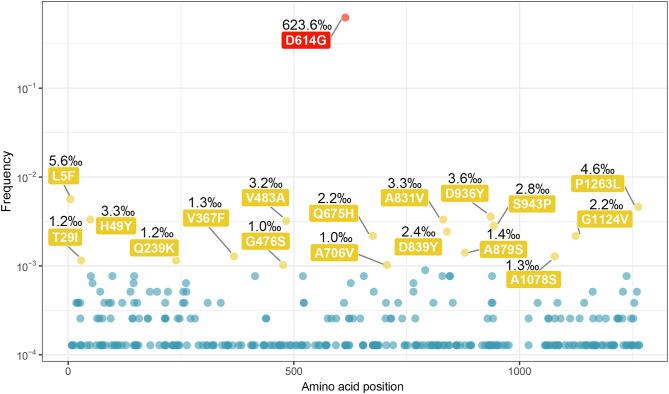
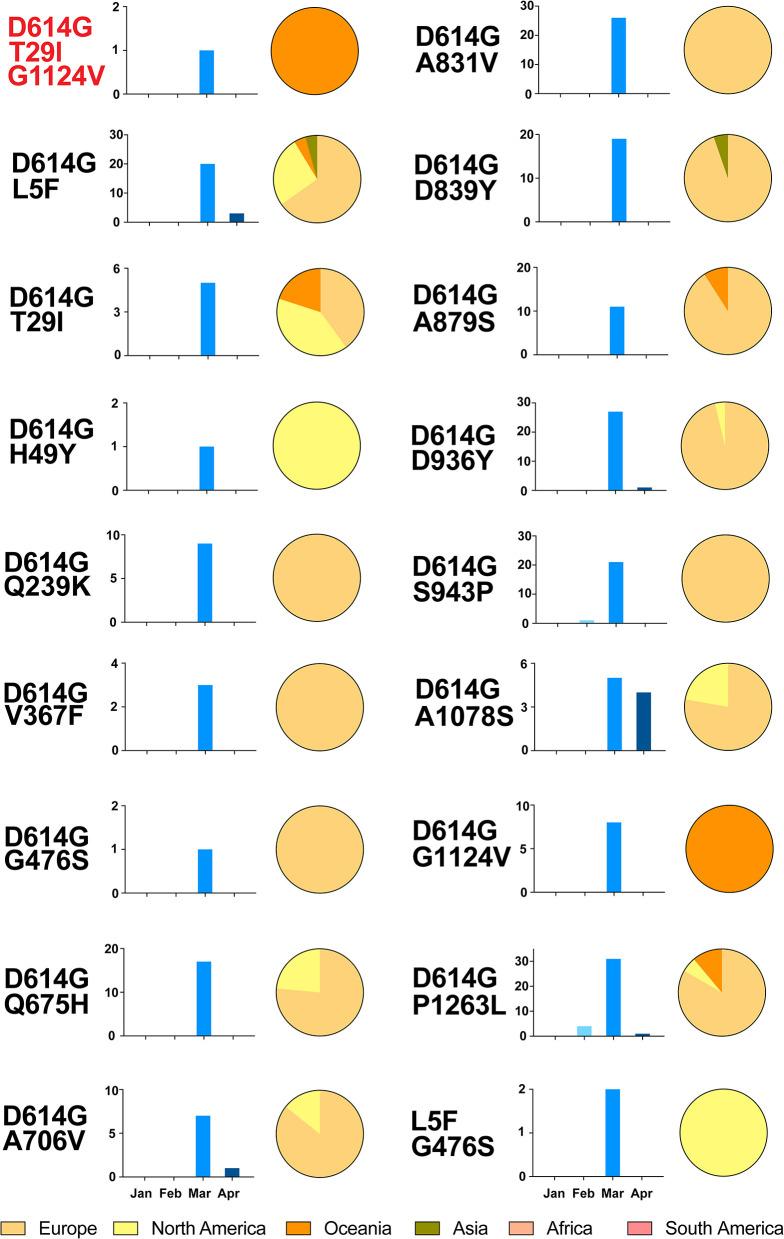
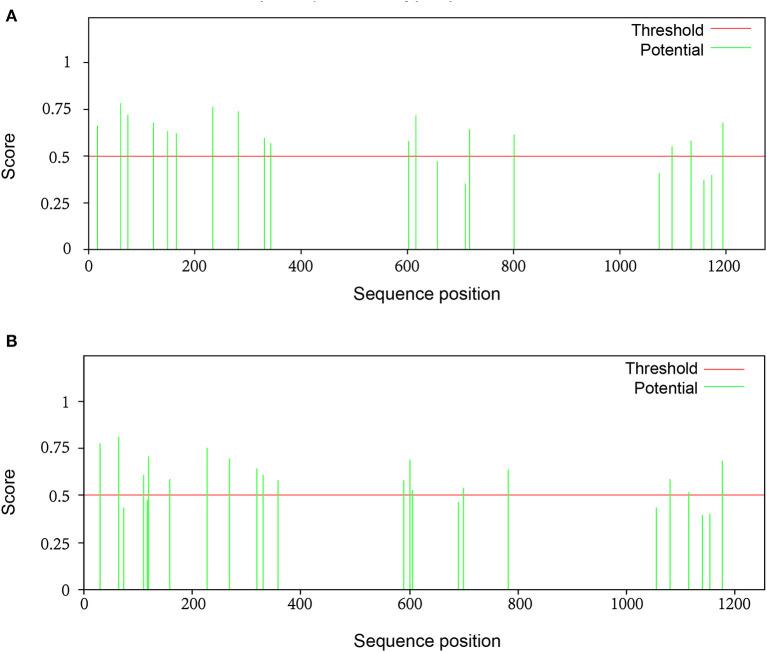
Coronavirus disease 2019 (COVID-19), caused by severe acute respiratory syndrome coronavirus 2 (SARS-CoV-2), has led to an outbreak of a pandemic worldwide. For better understanding the viral spike (S) protein variations and its potential effects on the interaction with the host immune system and also in vaccine development, the cell epitopes, glycosylation profile and their changes during the global transmission course were characterized and compared with SARS-CoV for their glycosylation profile. We analyzed totally 7,813 sequences screened from 8,897 whole genome sequences on GISAID database up to April 26, and 18 S protein amino acid variations with relatively high frequency (≥10) were identified. A total of 228 sequences of variants had multiple variations, of note, most of them harboring the D614G mutation. Among the predicted 69 linear B cell epitopes, 175 discontinuous B cell epitopes and 41 cytotoxic T lymphocyte epitopes in the viral S protein, we found that the protein structure and its potential function of some sites changed, such as the linear epitope length shortened and discontinuous epitope disappeared of G476S. In addition, we detected 9 predicted N-glycosylation sites and 3 O-glycosylation sites unique to SARS-CoV-2, but no evidently observed variation of the glycan sites so far. Our findings provided an important snapshot of temporal and geographical distributions on SARS-CoV-2 S protein cell epitopes and glycosylation sites, which would be an essential basis for the selection of vaccine candidates.
新型冠状病毒病(COVID-19)是由严重急性呼吸系统综合征冠状病毒 2(SARS-CoV-2)引起的全球大流行传染病。为了更好地了解病毒刺突(S)蛋白的变异及其对与宿主免疫系统相互作用的潜在影响,以及在疫苗开发方面的作用,我们对细胞表位、糖基化谱进行了特征分析,并与 SARS-CoV 的糖基化谱进行了比较。我们总共分析了 GISAID 数据库中截至 2023 年 4 月 26 日筛选的 7813 条序列,以及相对高频(≥10%)的 18 个 S 蛋白氨基酸变异。总共鉴定出 228 个具有多个变异的序列,其中大多数含有 D614G 突变。在病毒 S 蛋白的 69 个线性 B 细胞表位、175 个不连续 B 细胞表位和 41 个细胞毒性 T 淋巴细胞表位中,我们发现一些位点的蛋白质结构及其潜在功能发生了变化,例如 G476S 的线性表位长度缩短和不连续表位消失。此外,我们检测到 SARS-CoV-2 中 9 个预测的 N-糖基化位点和 3 个 O-糖基化位点,但迄今为止尚未观察到糖基化位点的明显变异。我们的研究结果提供了 SARS-CoV-2 S 蛋白细胞表位和糖基化位点的时间和地理分布的重要快照,这将是选择疫苗候选物的重要基础。



 Zotero 插件