
尼日利亚翁多州疑似和确诊拉沙热病例的拉沙病毒感染监测。
Monitoring of Lassa virus infection in suspected and confirmed cases in Ondo State, Nigeria.
机构信息
Centre for Human and Zoonotic Virology, Central Research Laboratory, College of Medicine, University of Lagos, Idi-araba, Lagos, Nigeria.
Center for Human Virology and Genomics, Department of Microbiology, Nigerian Institute of Medical Research, Yaba, Lagos, Nigeria.
出版信息
Pan Afr Med J. 2020 Aug 6;36:253. doi: 10.11604/pamj.2020.36.253.22104. eCollection 2020.
INTRODUCTION
Lassa virus (LASV), the causative agent of Lassa fever (LF), an endemic acute viral haemorrhagic illness in Nigeria, is transmitted by direct contact with the rodent, contaminated food or household items. Person-to-person transmission also occurs and sexual transmission has been reported. Thus, this study investigated the presence of LASV in body fluids of suspected and confirmed cases.
METHODS
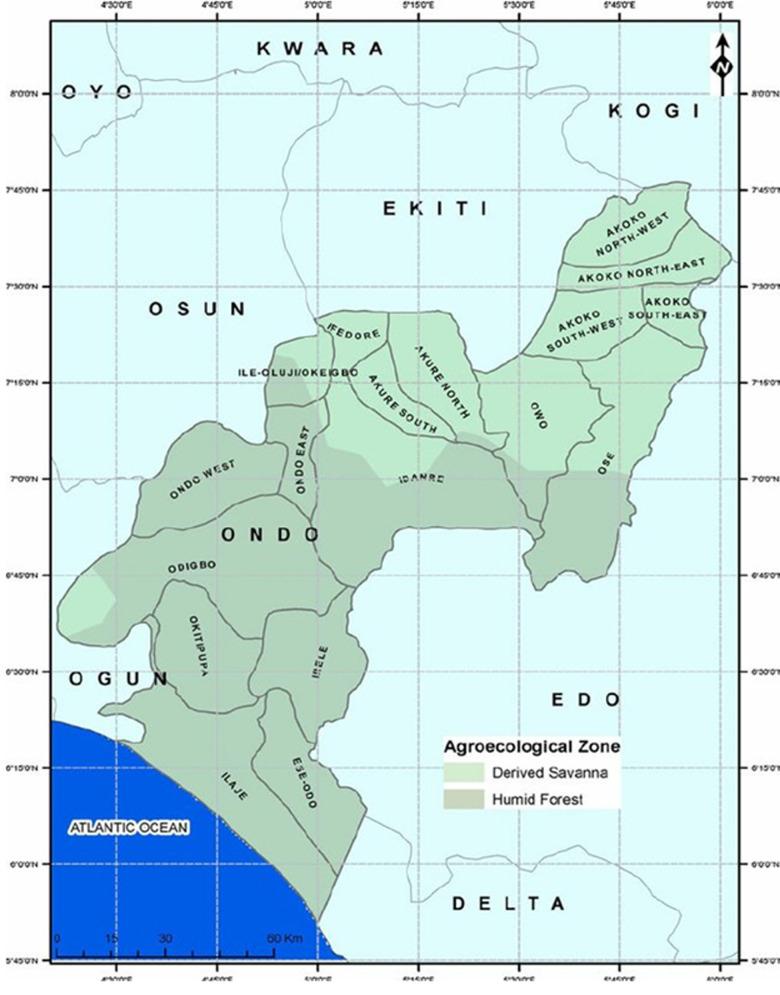
this was a cross-sectional study between March 2018 and April 2019 involving 112 consenting suspected and post ribavirin confirmed cases attending the Lassa fever treatment center in Ondo State. Whole blood was collected from 57 suspected and 29 confirmed cases. Other samples from confirmed cases were 5 each of High Vaginal Swab (HVS) and seminal fluid; 12 breast milk and 4 urine. All samples were analyzed using reverse transcription-PCR (RT-PCR) targeting the S-gene of LASV.
RESULTS
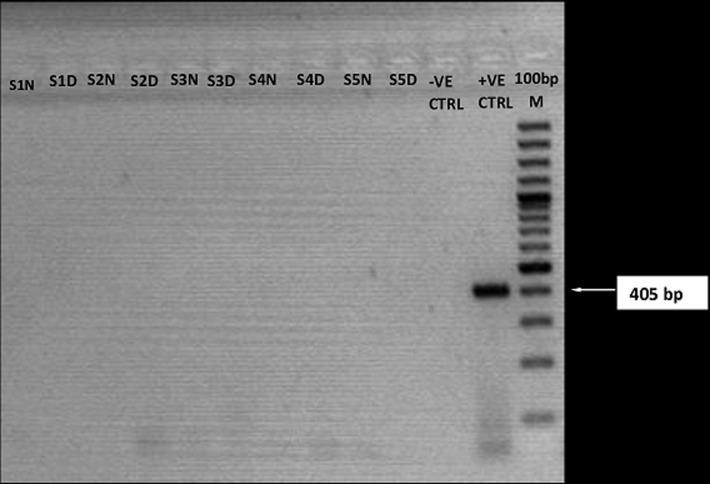
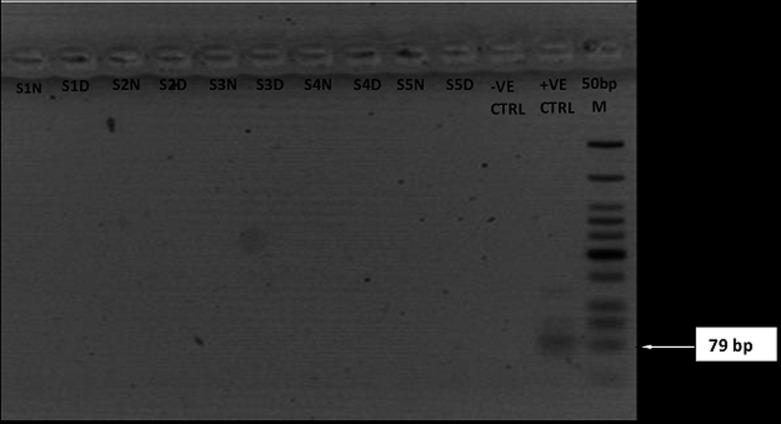
analysis of whole blood by RT-PCR showed that 1/57 (1.8%) suspected and 1/29 (3.4%) confirmed post ribavirin treated cases were positive. While LASV was detected in 2/5 (40%) post ribavirin treated seminal fluids and 1/11 (8.3%) breast milk. However, LASV was not detected in any of the HVS and urine samples.
CONCLUSION
the detection of LASV in seminal fluid and breast milk of discharged post ribavirin treated cases suggests its persistence in these fluids of recovering Nigerians. The role of postnatal and sexual transmissions in the perennial outbreak of LF needs to be further evaluated.
简介
拉沙病毒(LASV)是拉沙热(LF)的病原体,LF 是尼日利亚地方性急性病毒性出血热,通过直接接触啮齿动物、受污染的食物或家庭物品传播。人际传播也会发生,性传播也有报道。因此,本研究调查了疑似和确诊病例的体液中 LASV 的存在情况。
方法
这是一项 2018 年 3 月至 2019 年 4 月期间在奥雄州拉沙热治疗中心进行的横断面研究,涉及 112 名同意的疑似和利巴韦林后确诊病例。从 57 例疑似病例和 29 例确诊病例中采集全血。来自确诊病例的其他样本为 5 例高阴道拭子(HVS)和精液;12 例母乳和 4 例尿液。所有样本均采用针对 LASV S 基因的逆转录-PCR(RT-PCR)进行分析。
结果
RT-PCR 分析全血显示,1/57(1.8%)疑似和 1/29(3.4%)利巴韦林后治疗的确诊病例为阳性。而 LASV 则在 2/5(40%)利巴韦林后治疗的精液和 1/11(8.3%)母乳中被检测到。然而,在任何 HVS 和尿液样本中均未检测到 LASV。
结论
在利巴韦林后治疗的出院疑似病例的精液和母乳中检测到 LASV 表明其在这些恢复的尼日利亚人的液体中持续存在。产后和性传播在 LF 的常年爆发中的作用需要进一步评估。

 Zotero 插件