
从铁螯合到铁过载作为诱导白血病细胞铁死亡的治疗策略。
From Iron Chelation to Overload as a Therapeutic Strategy to Induce Ferroptosis in Leukemic Cells.
作者信息
Grignano Eric, Birsen Rudy, Chapuis Nicolas, Bouscary Didier
机构信息
Université de Paris, Institut Cochin, CNRS UMR8104, INSERM U1016, Paris, France.
Assistance Publique-Hôpitaux de Paris, Centre-Université de Paris, Service d'Hématologie clinique, Hôpital Cochin, Paris, France.
出版信息
Front Oncol. 2020 Sep 18;10:586530. doi: 10.3389/fonc.2020.586530. eCollection 2020.
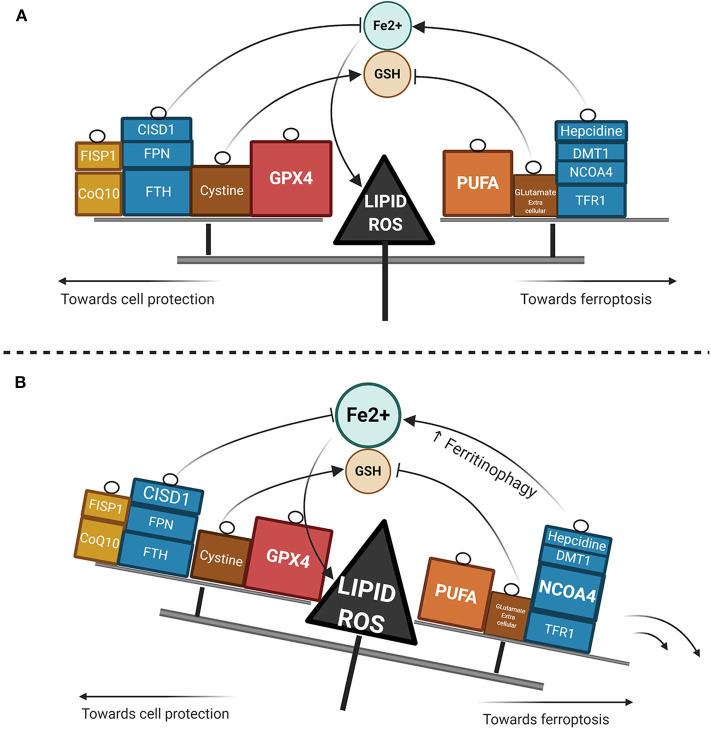
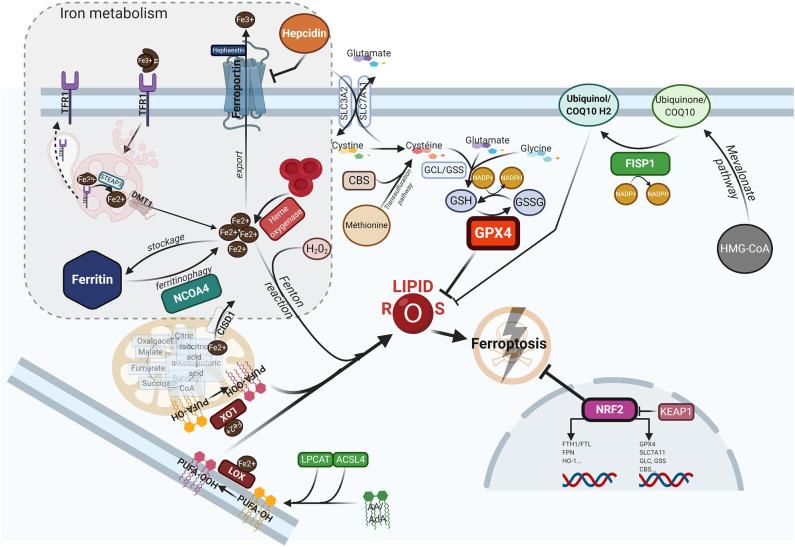
Despite its crucial importance in numerous physiological processes, iron also causes oxidative stress and damage which can promote the growth and proliferation of leukemic cells. Iron metabolism is strictly regulated and the related therapeutic approaches to date have been to restrict iron availability to tumor cells. However, since a new form of iron-catalyzed cell death has been described, termed ferroptosis, and subsequently better understood, iron excess is thought to represent an opportunity to selectively kill leukemic cells and spare normal hematopoietic cells, based on their differential iron needs. This review summarizes the physiology of iron metabolism and its deregulation in leukemia, the known ferrotoposis pathways, and therapeutic strategies to target the altered iron metabolism in leukemia for the purposes of initiating ferroptosis in these cancer cells.
尽管铁在众多生理过程中至关重要,但它也会导致氧化应激和损伤,从而促进白血病细胞的生长和增殖。铁代谢受到严格调控,迄今为止相关的治疗方法一直是限制肿瘤细胞的铁供应。然而,自从一种新的铁催化细胞死亡形式——铁死亡被描述并随后得到更好的理解以来,基于白血病细胞和正常造血细胞对铁需求的差异,铁过量被认为是一个选择性杀死白血病细胞而使正常造血细胞不受影响的机会。这篇综述总结了铁代谢的生理学及其在白血病中的失调、已知的铁死亡途径,以及针对白血病中改变的铁代谢以引发这些癌细胞铁死亡的治疗策略。
 Zotero 插件