
蛋白质结构、氨基酸组成和序列决定了蛋白质组对氧化诱导损伤的易感性。
Protein structure, amino acid composition and sequence determine proteome vulnerability to oxidation-induced damage.
机构信息
Department of Systems Biology, Blavatnik Institute at Harvard Medical School, Boston, MA, USA.
Wyss Institute for Biologically Inspired Engineering, Harvard University, Boston, MA, USA.
出版信息
EMBO J. 2020 Dec 1;39(23):e104523. doi: 10.15252/embj.2020104523. Epub 2020 Oct 19.
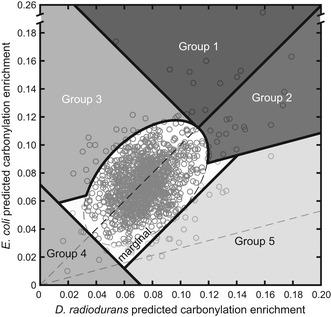
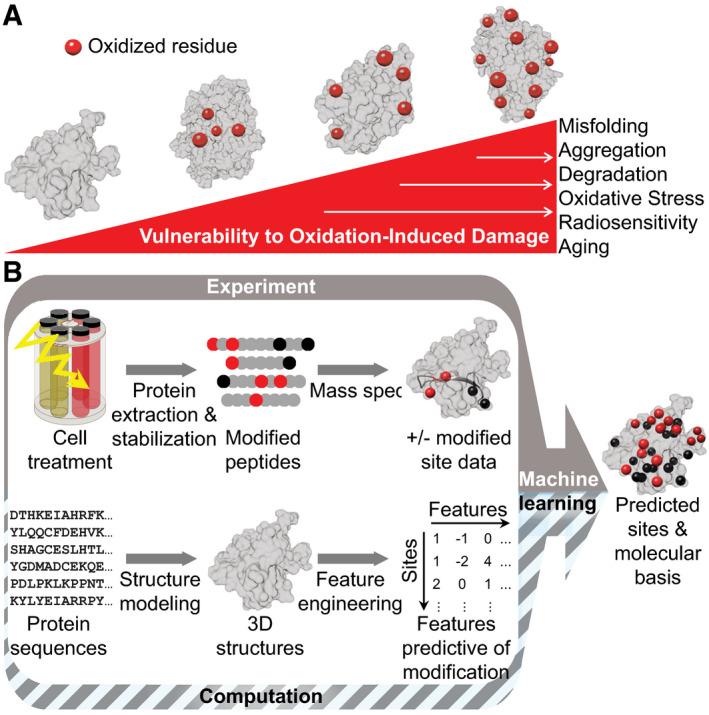
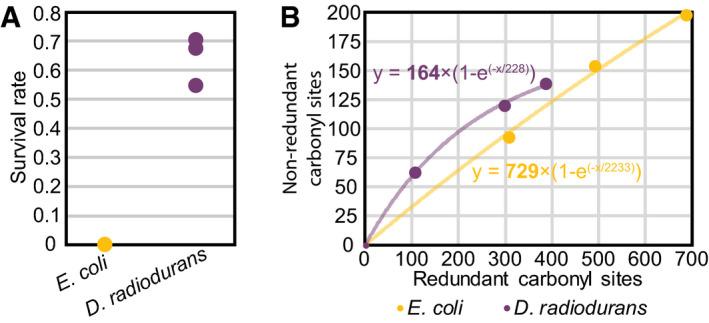
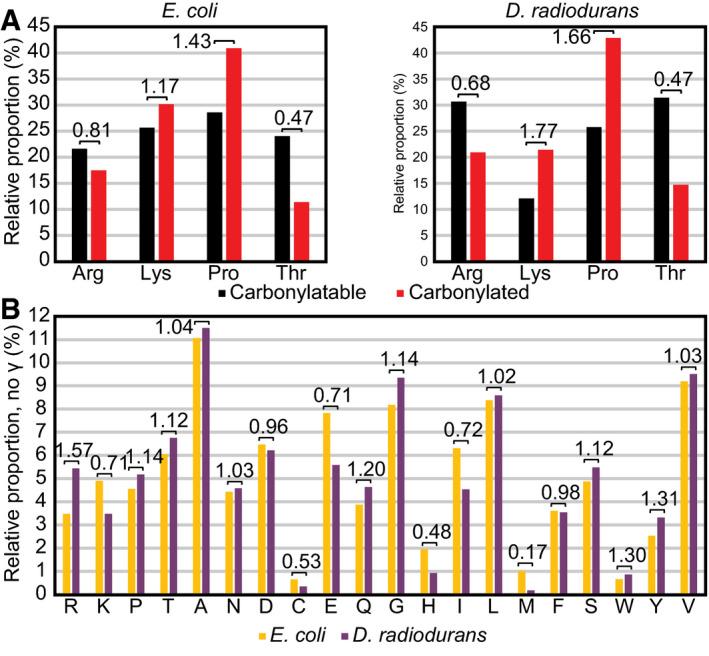
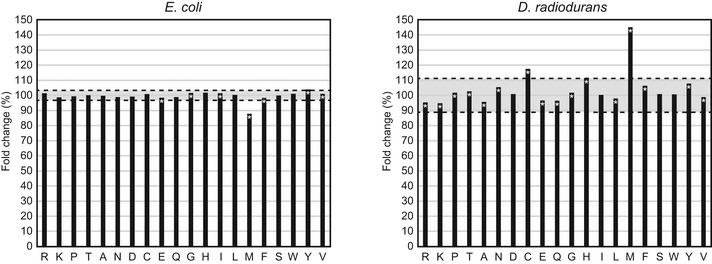
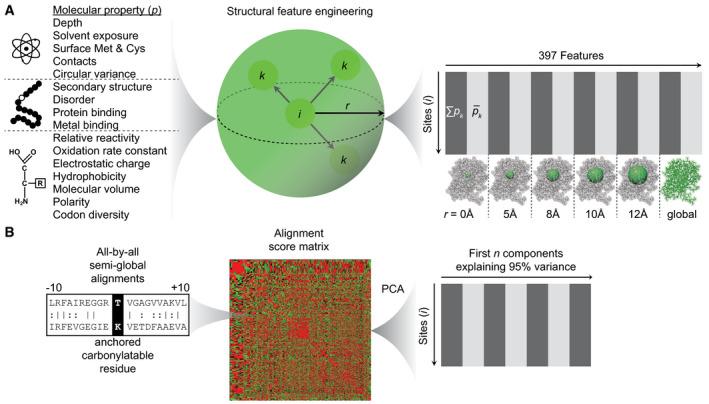
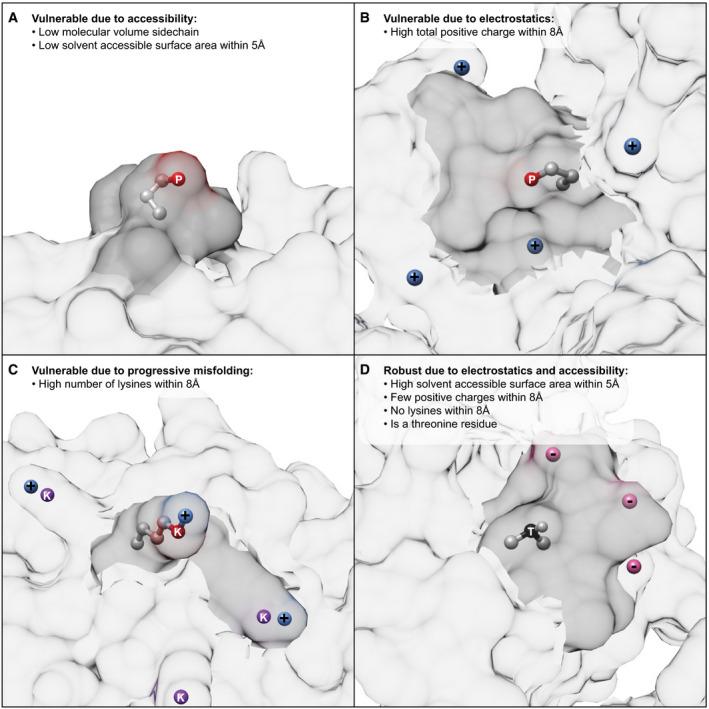
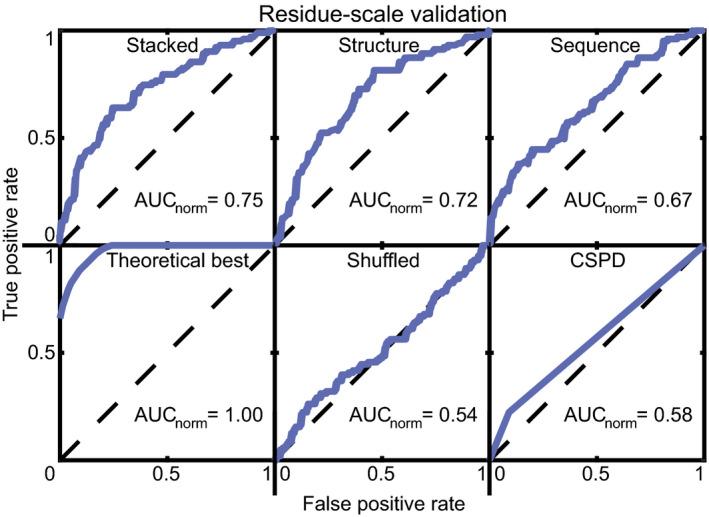
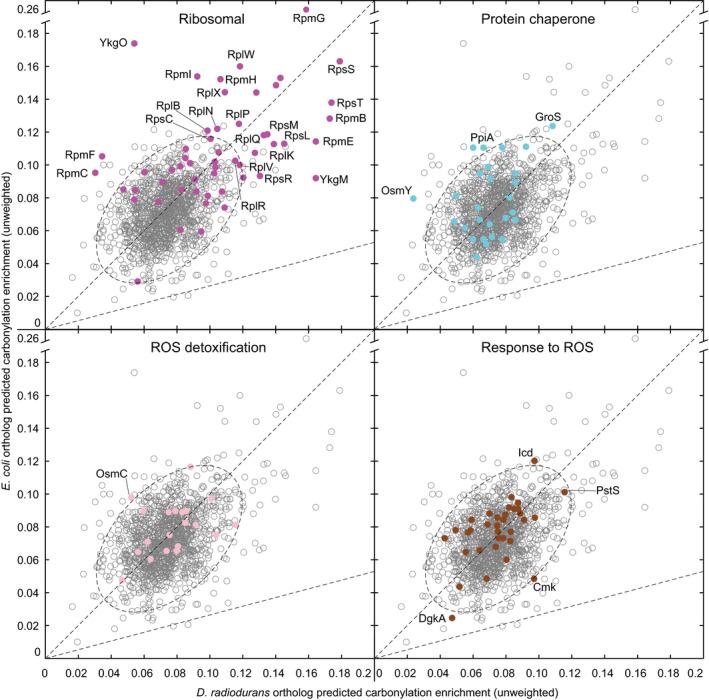
Oxidative stress alters cell viability, from microorganism irradiation sensitivity to human aging and neurodegeneration. Deleterious effects of protein carbonylation by reactive oxygen species (ROS) make understanding molecular properties determining ROS susceptibility essential. The radiation-resistant bacterium Deinococcus radiodurans accumulates less carbonylation than sensitive organisms, making it a key model for deciphering properties governing oxidative stress resistance. We integrated shotgun redox proteomics, structural systems biology, and machine learning to resolve properties determining protein damage by γ-irradiation in Escherichia coli and D. radiodurans at multiple scales. Local accessibility, charge, and lysine enrichment accurately predict ROS susceptibility. Lysine, methionine, and cysteine usage also contribute to ROS resistance of the D. radiodurans proteome. Our model predicts proteome maintenance machinery, and proteins protecting against ROS are more resistant in D. radiodurans. Our findings substantiate that protein-intrinsic protection impacts oxidative stress resistance, identifying causal molecular properties.
氧化应激会改变细胞活力,从微生物对辐射的敏感性到人类衰老和神经退行性变。活性氧(ROS)引起的蛋白质羰基化的有害影响使得理解决定 ROS 易感性的分子特性变得至关重要。耐辐射球菌(Deinococcus radiodurans)比敏感生物积累的羰基化产物更少,使其成为解析决定氧化应激抗性的特性的关键模型。我们整合了鸟枪法氧化还原蛋白质组学、结构系统生物学和机器学习,以在多个尺度上解析决定大肠杆菌和耐辐射球菌 γ 辐射损伤的蛋白质特性。局部可及性、电荷和赖氨酸富集可以准确预测 ROS 易感性。赖氨酸、蛋氨酸和半胱氨酸的使用也有助于耐辐射球菌蛋白质组的 ROS 抗性。我们的模型预测了蛋白质维持机制,并且对 ROS 有保护作用的蛋白质在耐辐射球菌中更具抗性。我们的研究结果证实,蛋白质内在的保护作用会影响氧化应激抗性,确定了因果关系的分子特性。



 Zotero 插件