
选择性阻断 TNFR1 可改善实验性 RSV 感染中的临床疾病和支气管收缩。
Selective Blockade of TNFR1 Improves Clinical Disease and Bronchoconstriction in Experimental RSV Infection.
机构信息
Division of Clinical and Experimental Immunology and Infectious Disease (CEIID), Department of Pediatrics, University of Texas Medical Branch, Galveston, TX 77555, USA.
Department of Microbiology and Immunology, University of Texas Medical Branch, Galveston, TX 77555, USA.
出版信息
Viruses. 2020 Oct 17;12(10):1176. doi: 10.3390/v12101176.
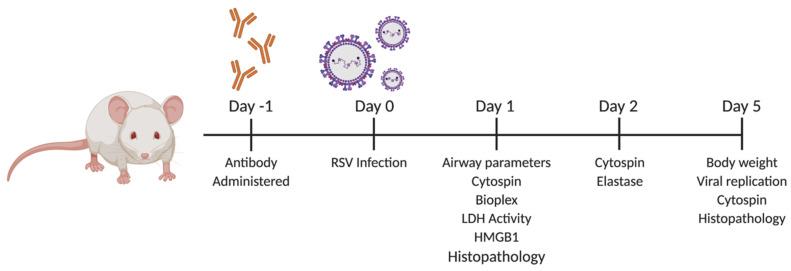
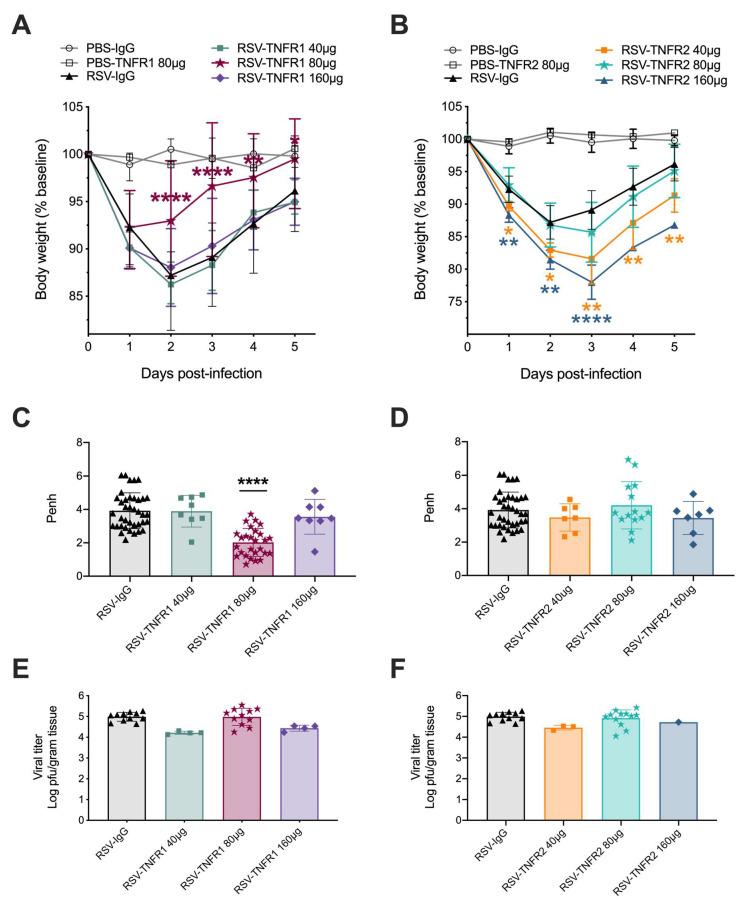
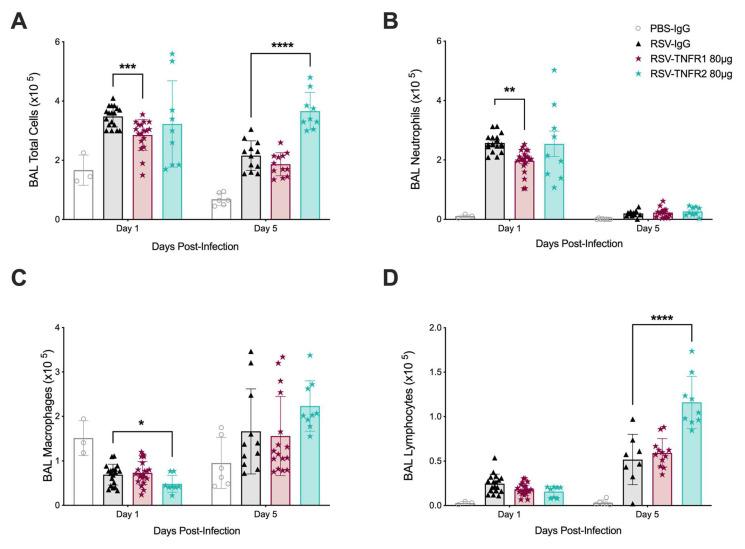
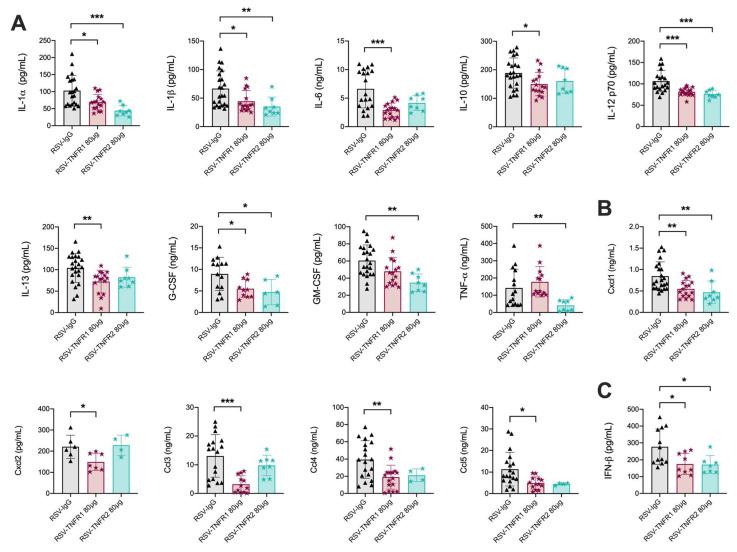
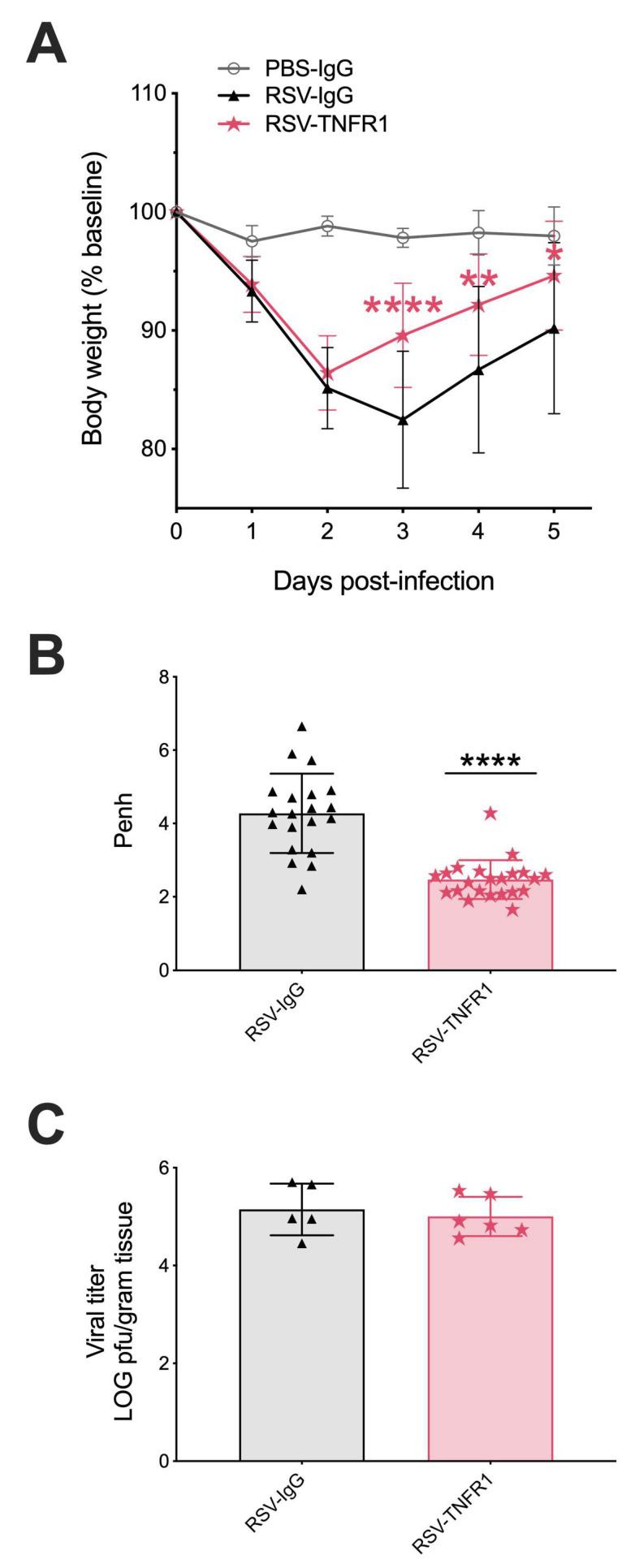
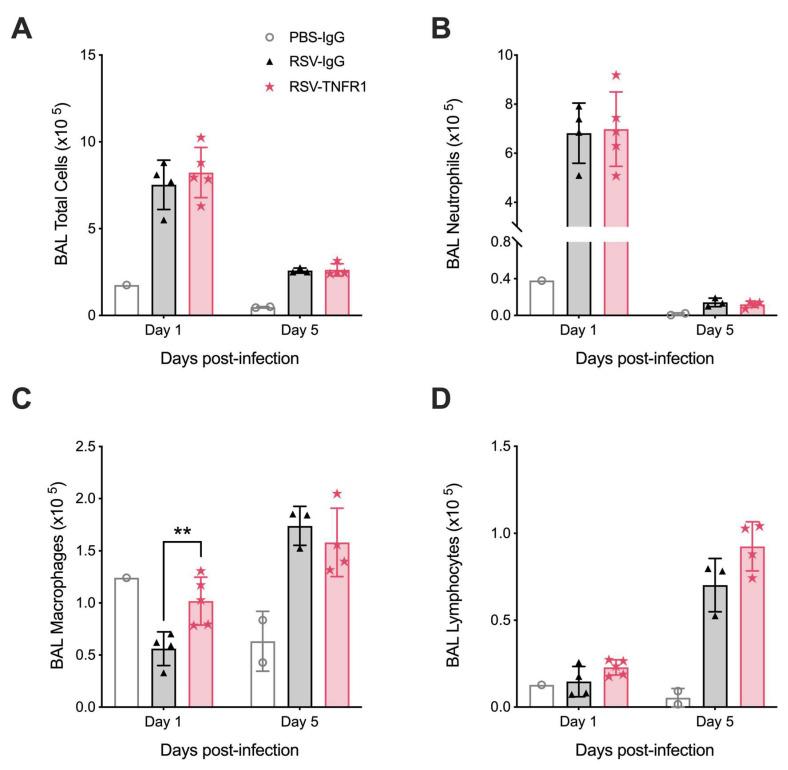
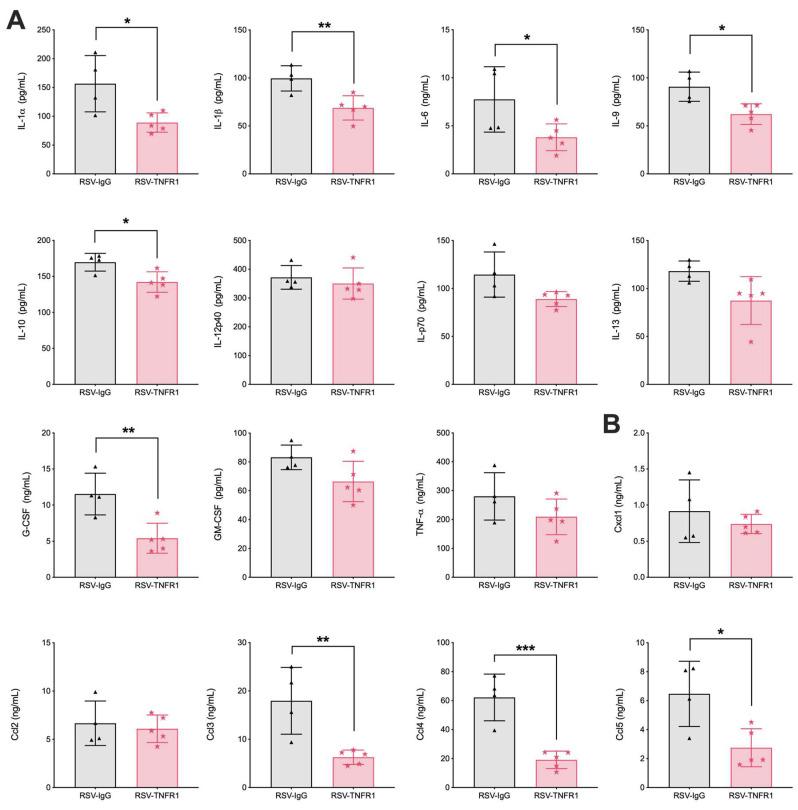
Respiratory syncytial virus (RSV) is the leading cause of bronchiolitis in infants and young children. Although some clinical studies have speculated that tumor necrosis factor (TNF)-α is a major contributor of RSV-mediated airway disease, experimental evidence remains unclear or conflicting. TNF-α initiates inflammation and cell death through two distinct receptors: TNF-receptor (TNFR)1 and TNFR2. Here we delineate the function of TNF-α by short-lasting blockade of either receptor in an experimental BALB/c mouse model of RSV infection. We demonstrate that antibody-mediated blockade of TNFR1, but not TNFR2, results in significantly improved clinical disease and bronchoconstriction as well as significant reductions of several inflammatory cytokines and chemokines, including IL-1α, IL-1β, IL-6, Ccl3, Ccl4, and Ccl5. Additionally, TNFR1 blockade was found to significantly reduce neutrophil number and activation status, consistent with the concomitant reduction of pro-neutrophilic chemokines Cxcl1 and Cxcl2. Similar protective activity was also observed when a single-dose of TNFR1 blockade was administered to mice following RSV inoculation, although this treatment resulted in improved alveolar macrophage survival rather than reduced neutrophil activation. Importantly, short-lasting blockade of TNFR1 did not affect RSV peak replication in the lung. This study suggests a potential therapeutic approach for RSV bronchiolitis based on selective blockade of TNFR1.
呼吸道合胞病毒 (RSV) 是导致婴儿和幼儿细支气管炎的主要原因。尽管一些临床研究推测肿瘤坏死因子 (TNF)-α 是 RSV 介导的气道疾病的主要原因,但实验证据仍不清楚或存在争议。TNF-α 通过两种不同的受体:TNF 受体 (TNFR)1 和 TNFR2 引发炎症和细胞死亡。在这里,我们通过在 RSV 感染的实验性 BALB/c 小鼠模型中短暂阻断这两种受体来描绘 TNF-α 的功能。我们证明,抗体介导的 TNFR1 阻断,但不是 TNFR2 阻断,导致临床疾病和支气管收缩显著改善,以及包括 IL-1α、IL-1β、IL-6、Ccl3、Ccl4 和 Ccl5 在内的几种炎症细胞因子和趋化因子的显著减少。此外,TNFR1 阻断被发现可显著减少中性粒细胞数量和激活状态,与促嗜中性趋化因子 Cxcl1 和 Cxcl2 的同时减少一致。当在 RSV 接种后给予小鼠单次 TNFR1 阻断治疗时,也观察到类似的保护作用,尽管这种治疗导致肺泡巨噬细胞存活增加而不是减少中性粒细胞激活。重要的是,TNFR1 的短暂阻断并不影响 RSV 在肺部的峰值复制。这项研究为基于 TNFR1 选择性阻断的 RSV 细支气管炎提供了一种潜在的治疗方法。



 Zotero 插件