
COVID-19相关急性缺血性卒中:一项基于病例的系统评价
Acute Ischemic Stroke in COVID-19: A Case-Based Systematic Review.
作者信息
Wijeratne Tissa, Sales Carmela, Karimi Leila, Crewther Sheila Gillard
机构信息
Neurology & Stroke, Australian Institute for Musculoskeletal Science, Melbourne Medical School, Sunshine Hospital, The University of Melbourne, Parkville, VIC, Australia.
School of Psychology and Public Health, College of Science, Health and Engineering, La Trobe University, Melbourne, Parkville, VIC, Australia.
出版信息
Front Neurol. 2020 Sep 25;11:1031. doi: 10.3389/fneur.2020.01031. eCollection 2020.
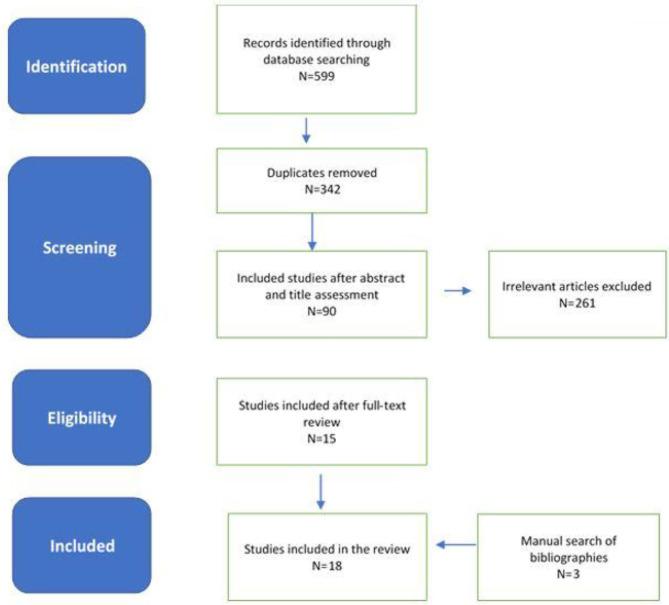
Corona virus disease (COVID-19), caused by the severe acute respiratory syndrome coronavirus2 (SARS-CoV-2) is recognized as a global pandemic by WHO 2020 with 5,934 936 infections, 367,166 deaths and affecting over 200 countries as of 30th May 2020. Acute Ischemic Stroke (AIS) in brain is also emerging as an important neurovascular/neurological complication of COVID-19, associated with extreme immune responses leading to dysregulated coagulation system and generalized thrombo-embolic status and increased risk of AIS especially among usually less vulnerable younger adults in this cohort. Thus, in early June 2020, we aimed to review the clinical data on all published cases of COVID-19 and concomitant AIS, with a view to understanding the pertinent clinical, laboratory and imaging features. The neutrophil-lymphocyte ratio (NLR) at time of hospital admission for COVID infection correlates positively with the duration of time before onset of clinical features of AIS. Higher NLR, C-Reactive protein, serum ferritin, D-dimer and fibrinogen levels are associated with poor prognosis of AIS in COVID-19 with 75% of patients dying or being severely disabled at present. Currently it is too early to comment on the long-term outcomes for survivors.
冠状病毒病(COVID-19)由严重急性呼吸综合征冠状病毒2(SARS-CoV-2)引起,世界卫生组织于2020年将其认定为全球大流行疾病。截至2020年5月30日,已有5934936例感染病例,367166例死亡病例,波及200多个国家。脑急性缺血性卒中(AIS)也正成为COVID-19一种重要的神经血管/神经并发症,与极端免疫反应相关,导致凝血系统失调和全身血栓栓塞状态,增加了AIS的风险,尤其是在该队列中通常较不易患病的年轻成年人中。因此,在2020年6月初,我们旨在回顾所有已发表的COVID-19合并AIS病例的临床数据,以了解相关的临床、实验室和影像学特征。COVID感染入院时的中性粒细胞与淋巴细胞比值(NLR)与AIS临床特征出现前的时间长短呈正相关。较高的NLR、C反应蛋白、血清铁蛋白、D-二聚体和纤维蛋白原水平与COVID-19中AIS的不良预后相关,目前75%的患者死亡或严重致残。目前对幸存者的长期预后进行评论还为时过早。


 Zotero 插件