
探究隧道折叠酶6-丙酮酰四氢蝶呤合酶的结构动力学以揭示变构药物靶向位点
Probing the Structural Dynamics of the Tunneling-Fold Enzyme 6-Pyruvoyl Tetrahydropterin Synthase to Reveal Allosteric Drug Targeting Sites.
作者信息
Khairallah Afrah, Ross Caroline J, Tastan Bishop Özlem
机构信息
Research Unit in Bioinformatics (RUBi), Department of Biochemistry and Microbiology, Rhodes University, Grahamstown, South Africa.
出版信息
Front Mol Biosci. 2020 Sep 25;7:575196. doi: 10.3389/fmolb.2020.575196. eCollection 2020.
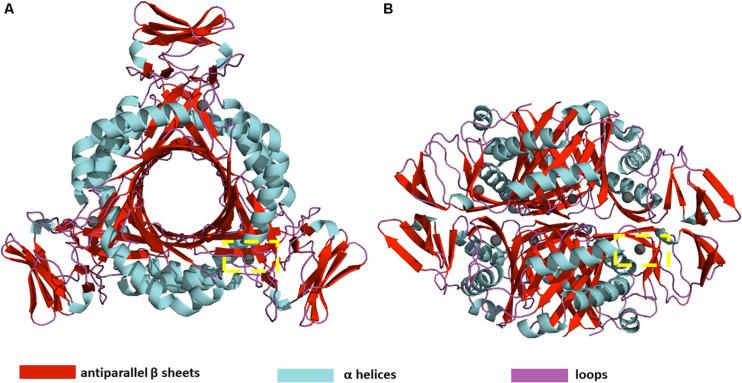
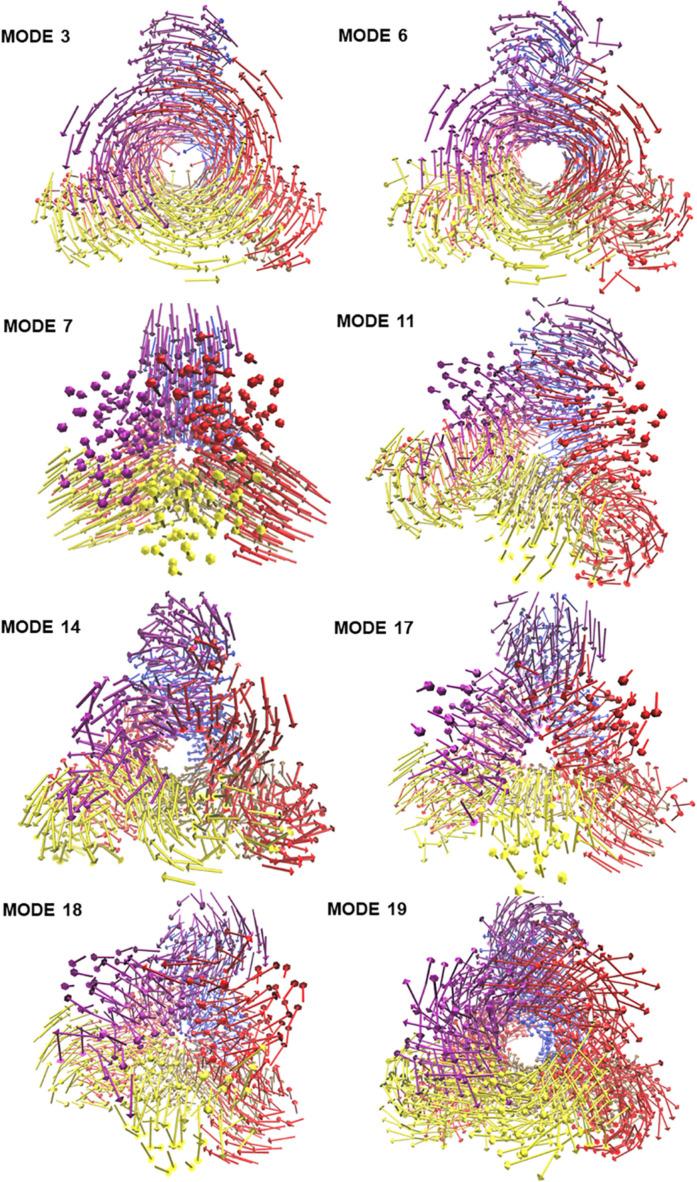
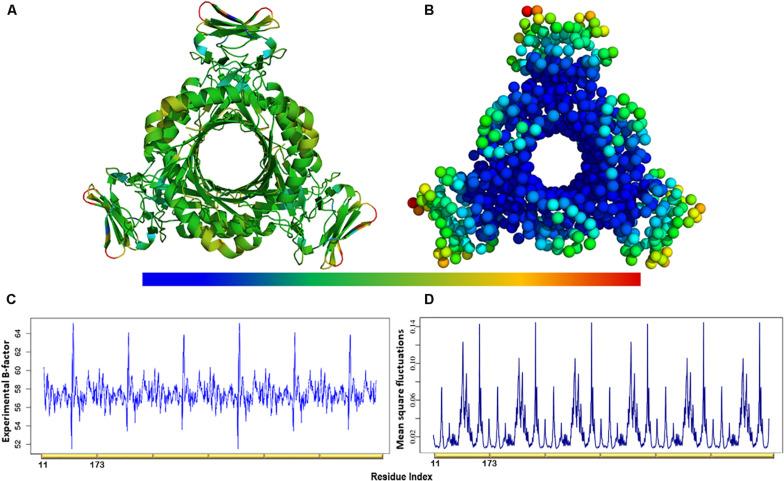
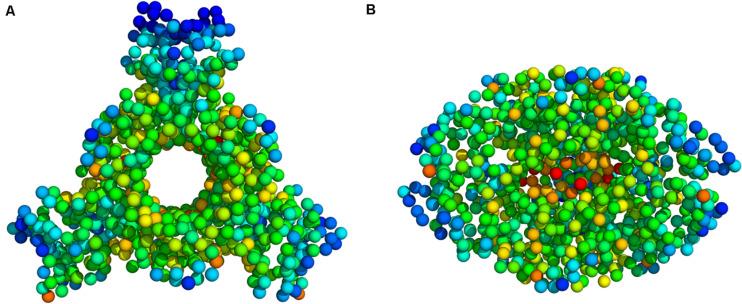
The folate synthesis pathway is a well-established drug target in the treatment of many infectious diseases. Antimalarial antifolate drugs have proven to be effective against malaria, however, rapid drug resistance has emerged on the two primary targeted enzymes: dihydrofolate reductase and dihydroptoreate synthase. The need to identify alternative antifolate drugs and novel metabolic targets is of imminent importance. The 6-pyruvol tetrahydropterin synthase (PTPS) enzyme belongs to the tunneling fold protein superfamily which is characterized by a distinct central tunnel/cavity. The enzyme catalyzes the second reaction step of the parasite's folate synthesis pathway and is responsible for the conversion of 7,8-dihydroneopterin to 6-pyruvoyl-tetrahydropterin. In this study, we examine the structural dynamics of PTPS using the anisotropic network model, to elucidate the collective motions that drive the function of the enzyme and identify potential sites for allosteric modulation of its binding properties. Based on our modal analysis, we identified key sites in the N-terminal domains and central helices which control the accessibility to the active site. Notably, the N-terminal domains were shown to regulate the open-to-closed transition of the tunnel, via a distinctive wringing motion that deformed the core of the protein. We, further, combined the dynamic analysis with motif discovery which revealed highly conserved motifs that are unique to the Plasmodium species and are located in the N-terminal domains and central helices. This provides essential structural information for the efficient design of drugs such as allosteric modulators that would have high specificity and low toxicity as they do not target the PTPS active site that is highly conserved in humans.
叶酸合成途径是治疗许多传染病时一个已确立的药物靶点。抗疟抗叶酸药物已被证明对疟疾有效,然而,在两种主要的靶向酶:二氢叶酸还原酶和二氢蝶酸合酶上迅速出现了耐药性。识别替代抗叶酸药物和新的代谢靶点的需求迫在眉睫。6-丙酮酰四氢蝶呤合酶(PTPS)属于隧道折叠蛋白超家族,其特征是有一个独特的中央隧道/腔。该酶催化寄生虫叶酸合成途径的第二步反应,负责将7,8-二氢新蝶呤转化为6-丙酮酰四氢蝶呤。在本研究中,我们使用各向异性网络模型研究PTPS的结构动力学,以阐明驱动该酶功能的集体运动,并识别其结合特性变构调节的潜在位点。基于我们的模态分析,我们在N端结构域和中央螺旋中确定了控制活性位点可及性的关键位点。值得注意的是,N端结构域通过使蛋白质核心变形的独特扭转运动来调节隧道的开闭转变。我们还将动力学分析与基序发现相结合,揭示了疟原虫物种特有的高度保守基序,这些基序位于N端结构域和中央螺旋中。这为高效设计诸如变构调节剂之类的药物提供了重要的结构信息,这些药物具有高特异性和低毒性,因为它们不靶向在人类中高度保守的PTPS活性位点。




 Zotero 插件