
树突状细胞中的动态代谢重编程:对流感感染的早期反应,对效应功能至关重要。
Dynamic metabolic reprogramming in dendritic cells: An early response to influenza infection that is essential for effector function.
机构信息
Department of Pediatrics, University of Tennessee Health Science Center, Memphis, Tennessee, United States of America.
Department of Immunology, St. Jude Children's Research Hospital, Memphis, Tennessee, United States of America.
出版信息
PLoS Pathog. 2020 Oct 26;16(10):e1008957. doi: 10.1371/journal.ppat.1008957. eCollection 2020 Oct.
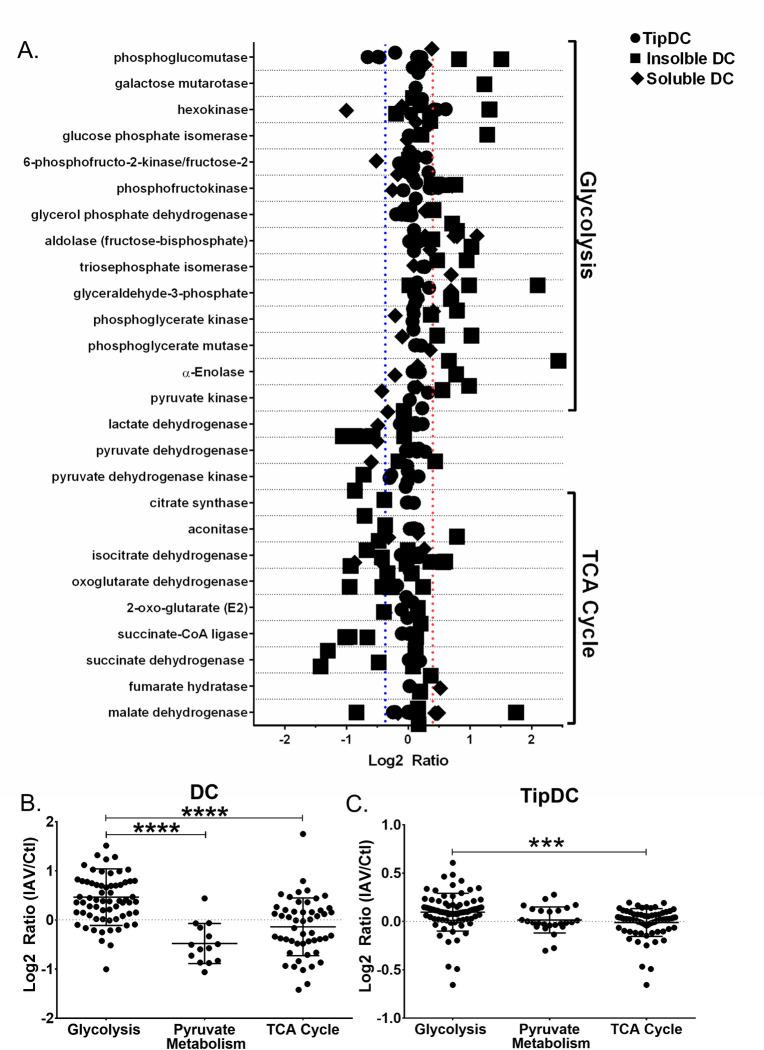
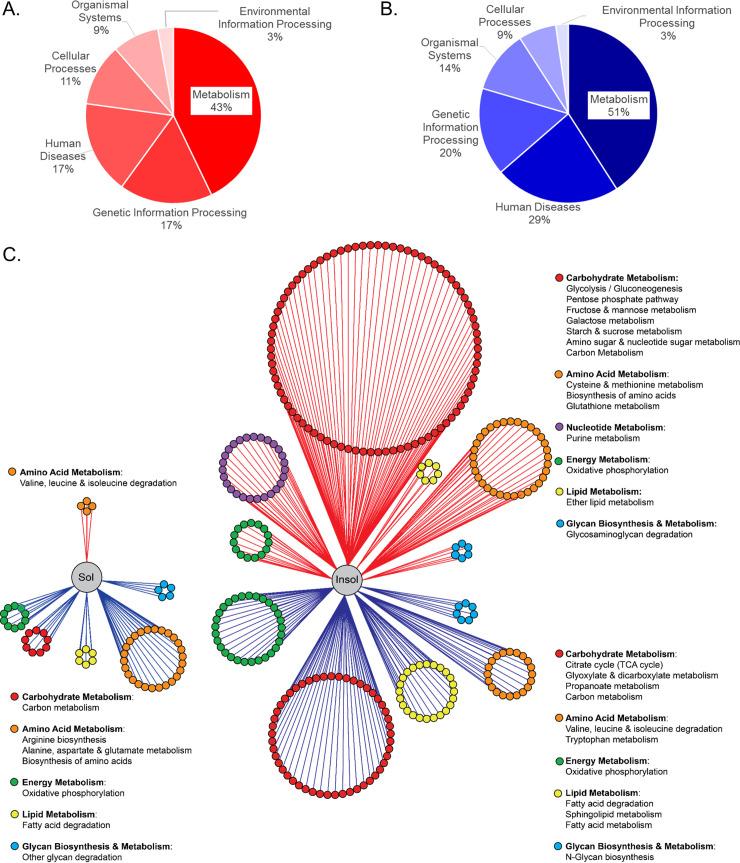
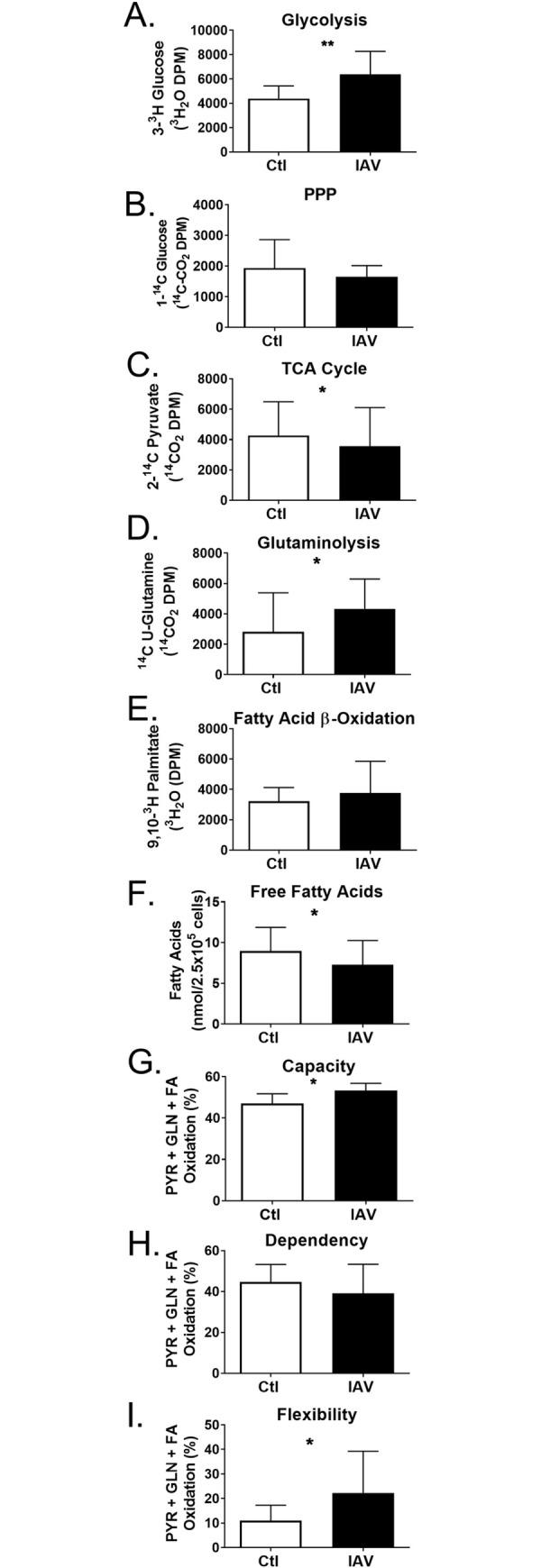
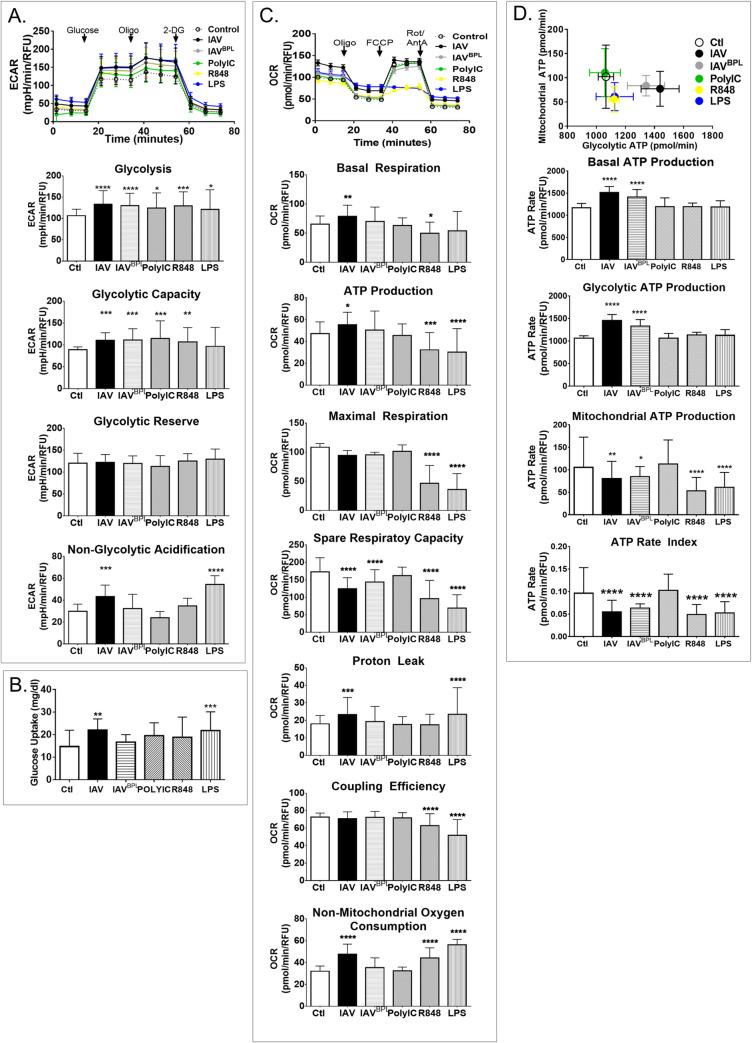
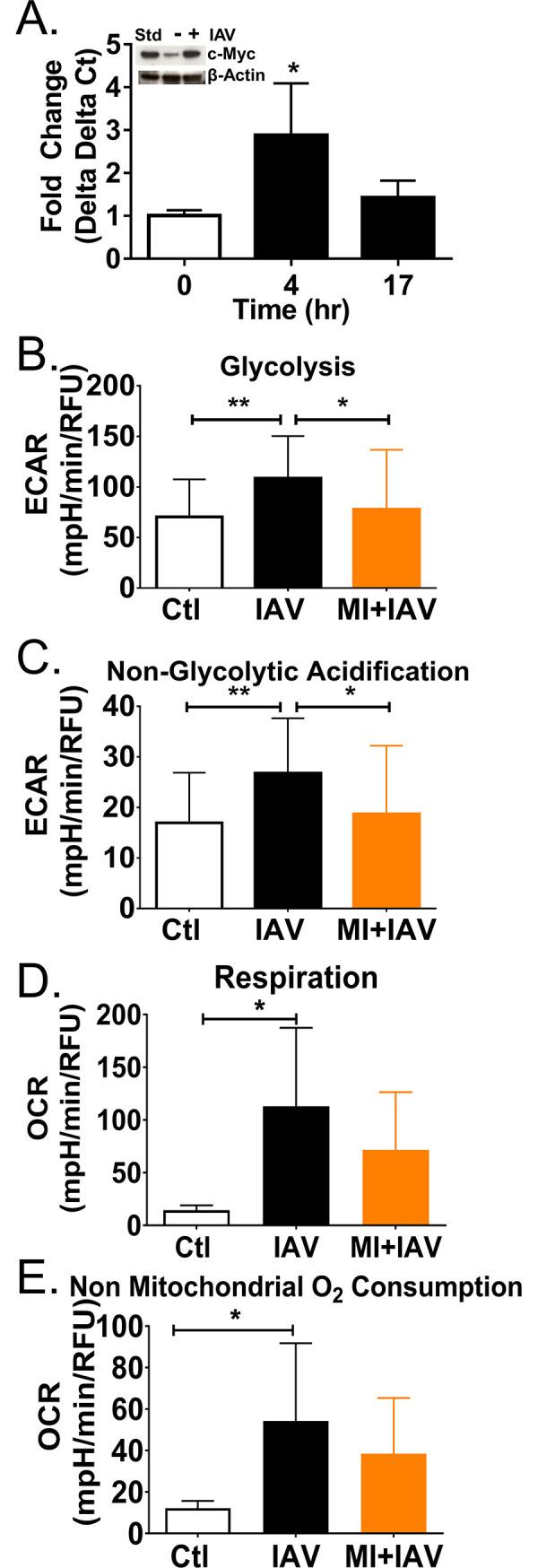
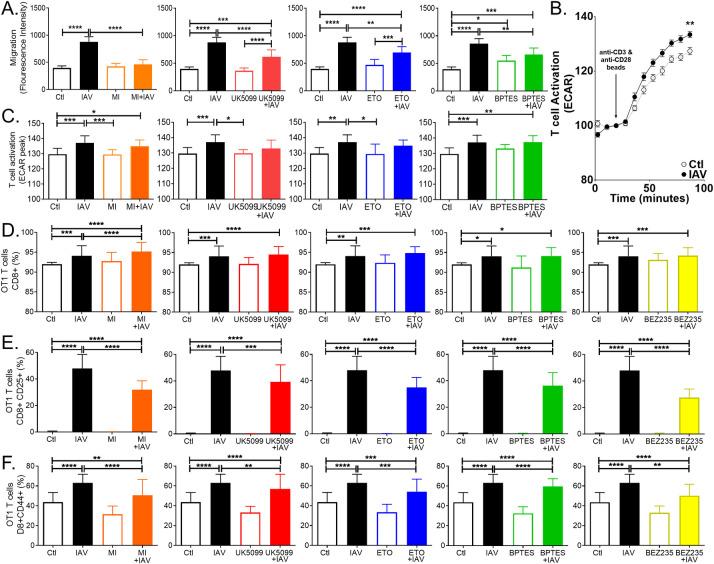
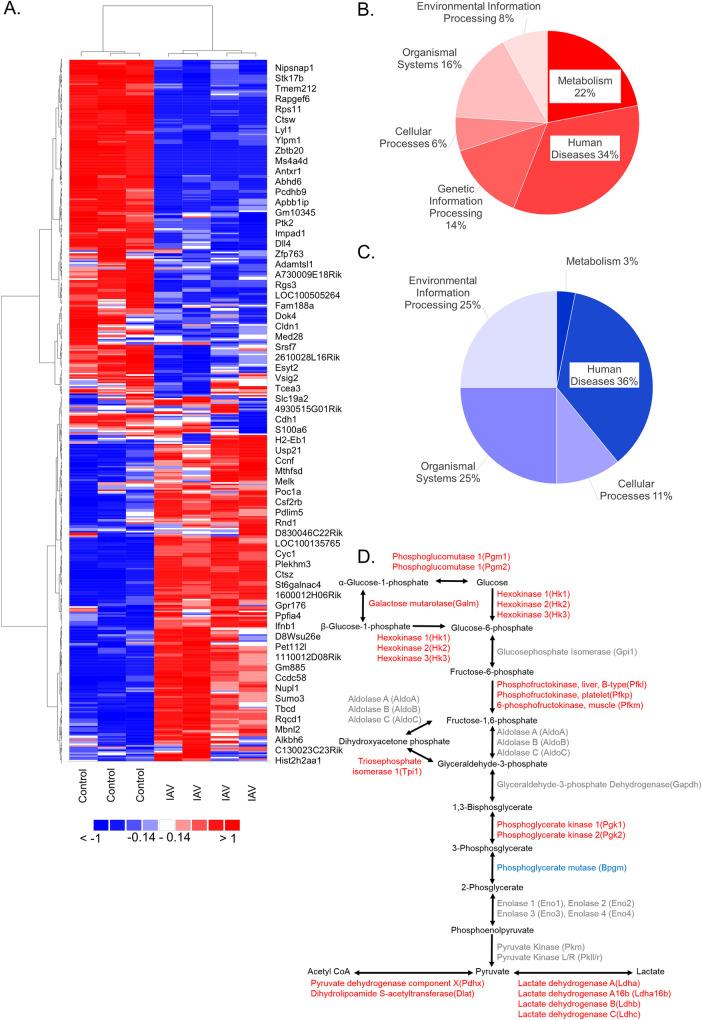
Infection with the influenza virus triggers an innate immune response that initiates the adaptive response to halt viral replication and spread. However, the metabolic response fueling the molecular mechanisms underlying changes in innate immune cell homeostasis remain undefined. Although influenza increases parasitized cell metabolism, it does not productively replicate in dendritic cells. To dissect these mechanisms, we compared the metabolism of dendritic cells to that of those infected with active and inactive influenza A virus and those treated with toll-like receptor agonists. Using quantitative mass spectrometry, pulse chase substrate utilization assays and metabolic flux measurements, we found global metabolic changes in dendritic cells 17 hours post infection, including significant changes in carbon commitment via glycolysis and glutaminolysis, as well as mitochondrial respiration. Influenza infection of dendritic cells led to a metabolic phenotype distinct from that induced by TLR agonists, with significant resilience in terms of metabolic plasticity. We identified c-Myc as one transcription factor modulating this response. Restriction of c-Myc activity or mitochondrial substrates significantly changed the immune functions of dendritic cells, such as reducing motility and T cell activation. Transcriptome analysis of inflammatory dendritic cells isolated following influenza infection showed similar metabolic reprogramming occurs in vivo. Thus, early in the infection process, dendritic cells respond with global metabolic restructuring, that is present in inflammatory lung dendritic cells after infection, and this is important for effector function. These findings suggest metabolic switching in dendritic cells plays a vital role in initiating the immune response to influenza infection.
流感病毒感染会引发先天免疫反应,从而启动适应性反应以阻止病毒复制和传播。然而,为驱动先天免疫细胞内稳态变化的分子机制提供燃料的代谢反应仍未得到明确。尽管流感会增加寄生细胞的代谢,但它不会在树突状细胞中进行有效复制。为了剖析这些机制,我们比较了树突状细胞与感染活性和非活性流感 A 病毒的树突状细胞以及用 Toll 样受体激动剂处理的树突状细胞的代谢。通过定量质谱、脉冲追踪底物利用测定和代谢通量测量,我们发现感染后 17 小时树突状细胞发生了全局代谢变化,包括糖酵解和谷氨酰胺分解作用以及线粒体呼吸作用中碳承诺的显著变化。流感感染树突状细胞会导致与 TLR 激动剂诱导的代谢表型明显不同,在代谢可塑性方面具有显著的弹性。我们确定 c-Myc 是调节这种反应的一个转录因子。限制 c-Myc 活性或线粒体底物会显著改变树突状细胞的免疫功能,例如降低运动性和 T 细胞激活。流感感染后分离的炎性树突状细胞的转录组分析显示,体内也会发生类似的代谢重编程。因此,在感染过程的早期,树突状细胞会对全局代谢进行重构,这种重构在感染后的炎症性肺树突状细胞中存在,这对于效应功能很重要。这些发现表明,树突状细胞中的代谢转换在引发对流感感染的免疫反应中起着至关重要的作用。
 Zotero 插件