
天然和合成化合物对血栓形成和治疗的影响因素。
Factors Affecting the Formation and Treatment of Thrombosis by Natural and Synthetic Compounds.
机构信息
Department of Pharmaceutical Microbiology and Microbiological Diagnostic, Faculty of Pharmacy, Medical University of Lodz, 90-235 Lodz, Poland.
Department of Molecular Biophysics, Faculty of Biology and Environmental Protection, University of Lodz, 90-236 Lodz, Poland.
出版信息
Int J Mol Sci. 2020 Oct 27;21(21):7975. doi: 10.3390/ijms21217975.
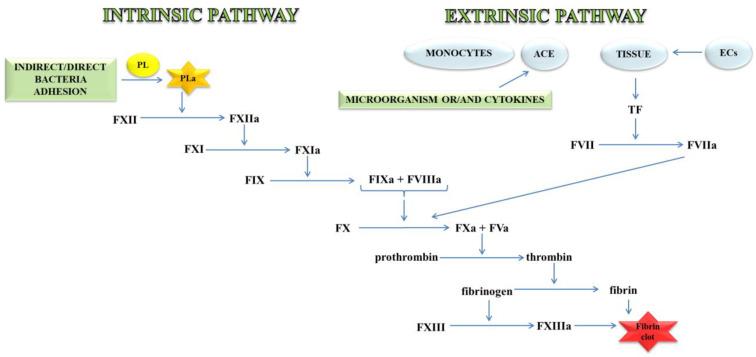
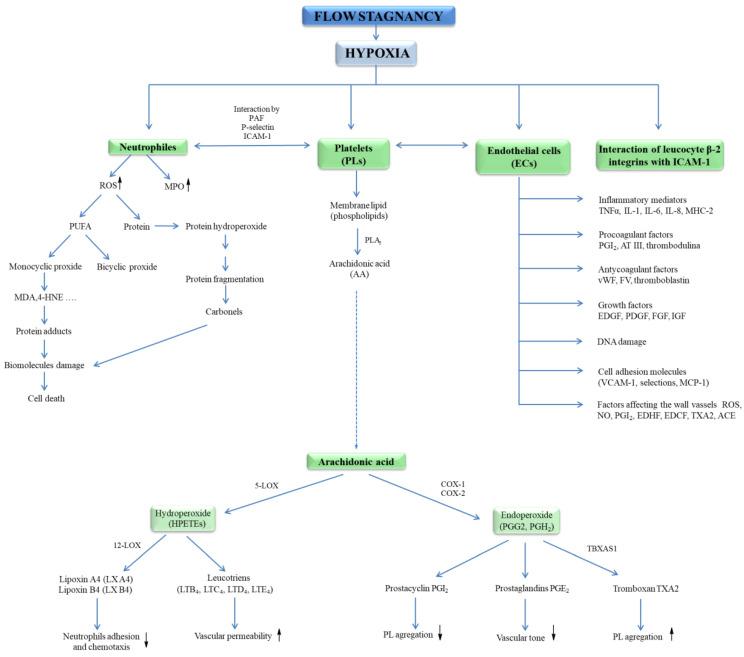
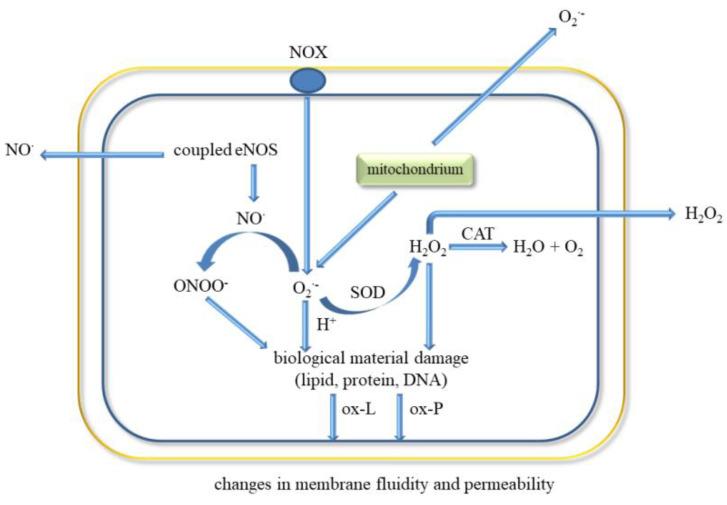
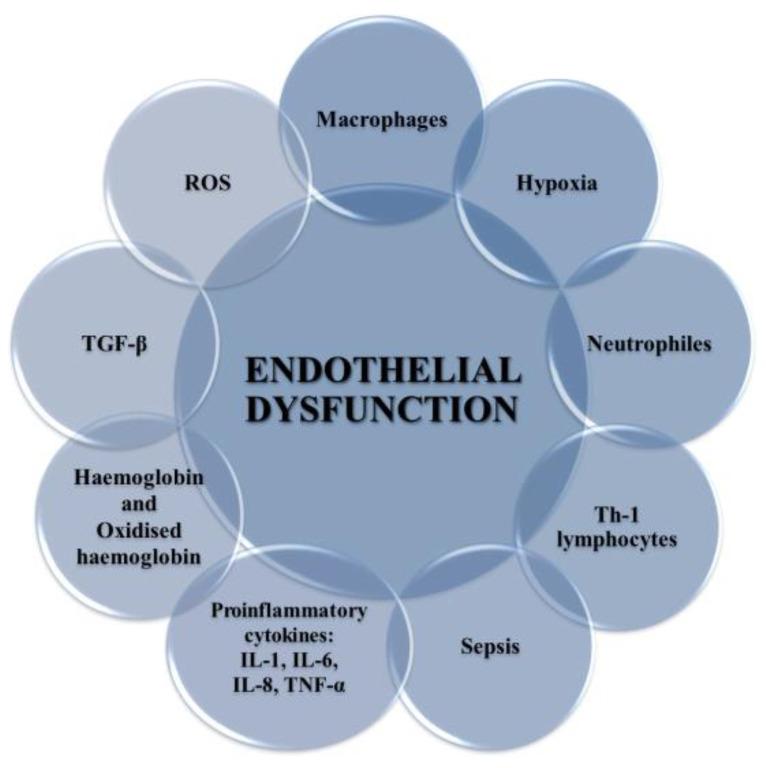
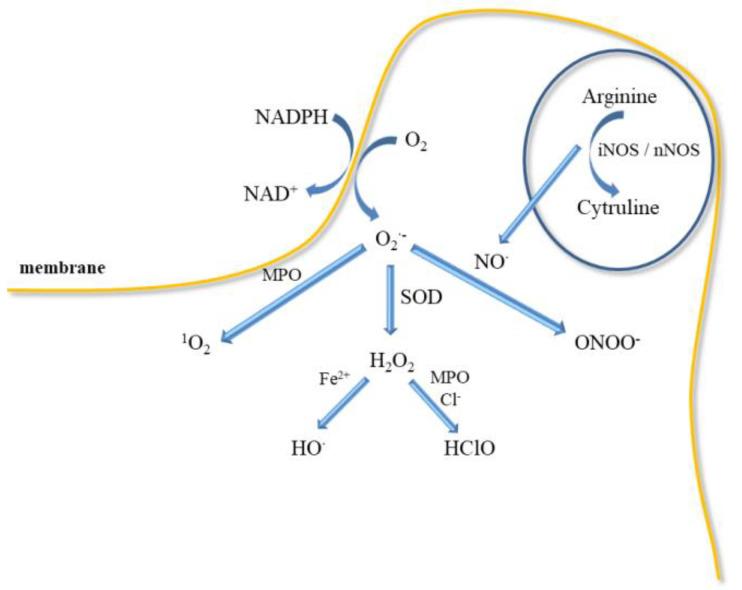
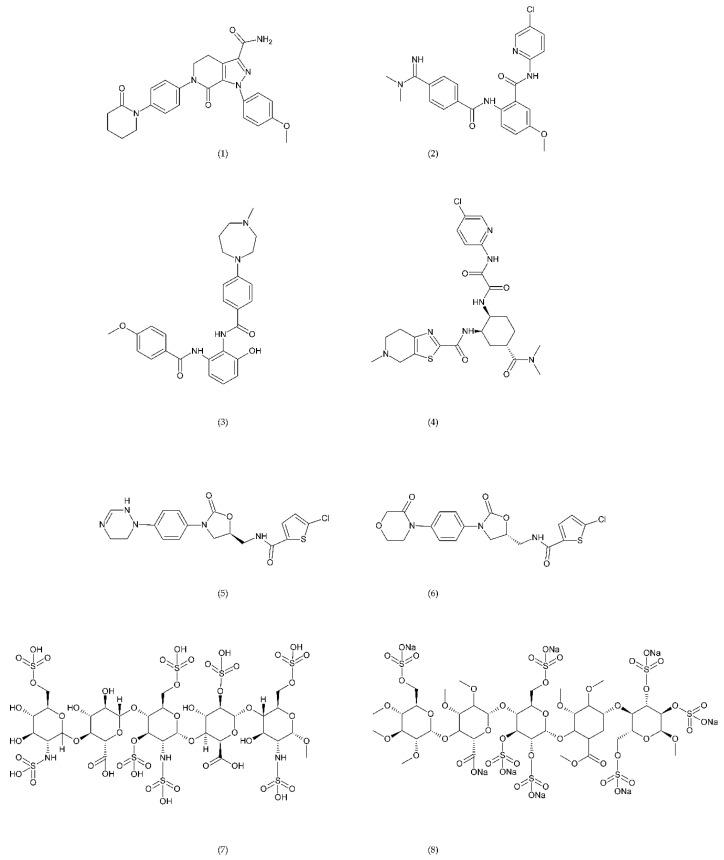
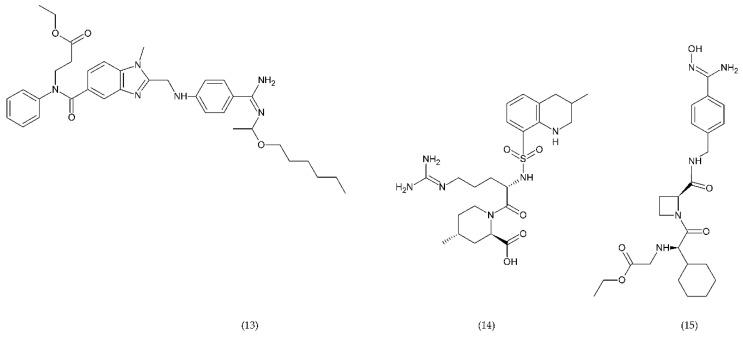
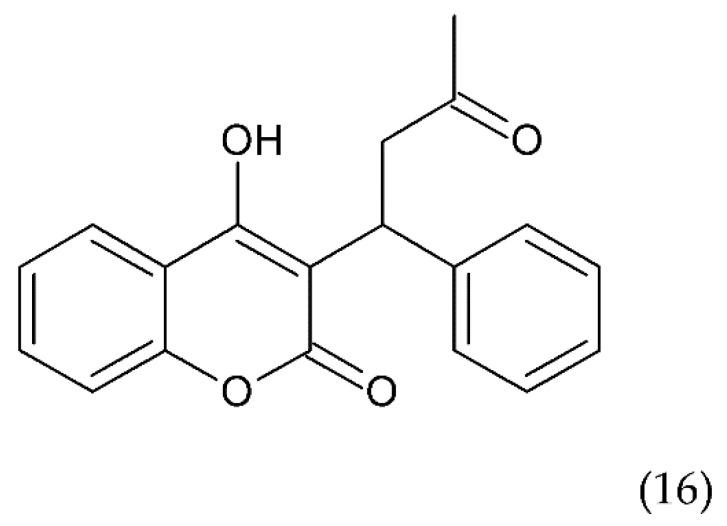
Venous thromboembolism (VTE) refers to deep vein thrombosis (DVT), whose consequence may be a pulmonary embolism (PE). Thrombosis is associated with significant morbidity and mortality and is the third most common cardiovascular disease after myocardial infarction and stroke. DVT is associated with the formation of a blood clot in a deep vein in the body. Thrombosis promotes slowed blood flow, hypoxia, cell activation, and the associated release of many active substances involved in blood clot formation. All thrombi which adhere to endothelium consist of fibrin, platelets, and trapped red and white blood cells. In this review, we summarise the impact of various factors affecting haemostatic disorders leading to blood clot formation. The paper discusses the causes of thrombosis, the mechanism of blood clot formation, and factors such as hypoxia, the involvement of endothelial cells (ECs), and the activation of platelets and neutrophils along with the effects of bacteria and reactive oxygen species (ROS). Mechanisms related to the action of anticoagulants affecting coagulation factors including antiplatelet drugs have also been discussed. However, many aspects related to the pathogenesis of thrombosis still need to be clarified. A review of the drugs used to treat and prevent thrombosis and natural anticoagulants that occur in the plant world and are traditionally used in Far Eastern medicine has also been carried out.
静脉血栓栓塞症(VTE)是指深静脉血栓形成(DVT),其后果可能是肺栓塞(PE)。血栓形成与显著的发病率和死亡率相关,是继心肌梗死和中风之后的第三大常见心血管疾病。深静脉血栓形成与体内深静脉中血栓的形成有关。血栓形成会导致血流减缓、缺氧、细胞激活以及与血栓形成相关的许多活性物质的释放。所有附着在内皮上的血栓都由纤维蛋白、血小板和被困的红细胞和白细胞组成。在这篇综述中,我们总结了影响止血紊乱导致血栓形成的各种因素的影响。本文讨论了血栓形成的原因、血栓形成的机制以及缺氧、内皮细胞(ECs)的参与、血小板和中性粒细胞的激活以及细菌和活性氧(ROS)的作用等因素。还讨论了影响凝血因子的抗凝剂的作用机制,包括抗血小板药物。然而,血栓形成发病机制的许多方面仍需要阐明。还对用于治疗和预防血栓形成的药物以及植物界中存在的天然抗凝剂进行了综述,这些天然抗凝剂在远东传统医学中被广泛应用。






 Zotero 插件