
利用 CRISPR-Cas9 在致病真菌烟曲霉中开发无标记诱变系统。
Development of a marker-free mutagenesis system using CRISPR-Cas9 in the pathogenic mould Aspergillus fumigatus.
机构信息
Manchester Fungal Infection Group, Division of Infection, Immunity and Respiratory Medicine, Faculty of Biology, Medicine and Health, University of Manchester, CTF Building, 46 Grafton Street, Manchester M13 9NT, UK; Lydia Becker Institute of Immunology and Inflammation, Manchester Collaborative Centre for Inflammation Research, Division of Infection, Immunity and Respiratory Medicine, Faculty of Biology, Medicine and Health, University of Manchester, Manchester Academic Health Science Centre, Manchester, UK.
Manchester Fungal Infection Group, Division of Infection, Immunity and Respiratory Medicine, Faculty of Biology, Medicine and Health, University of Manchester, CTF Building, 46 Grafton Street, Manchester M13 9NT, UK; Lydia Becker Institute of Immunology and Inflammation, Manchester Collaborative Centre for Inflammation Research, Division of Infection, Immunity and Respiratory Medicine, Faculty of Biology, Medicine and Health, University of Manchester, Manchester Academic Health Science Centre, Manchester, UK.
出版信息
Fungal Genet Biol. 2020 Dec;145:103479. doi: 10.1016/j.fgb.2020.103479. Epub 2020 Oct 26.
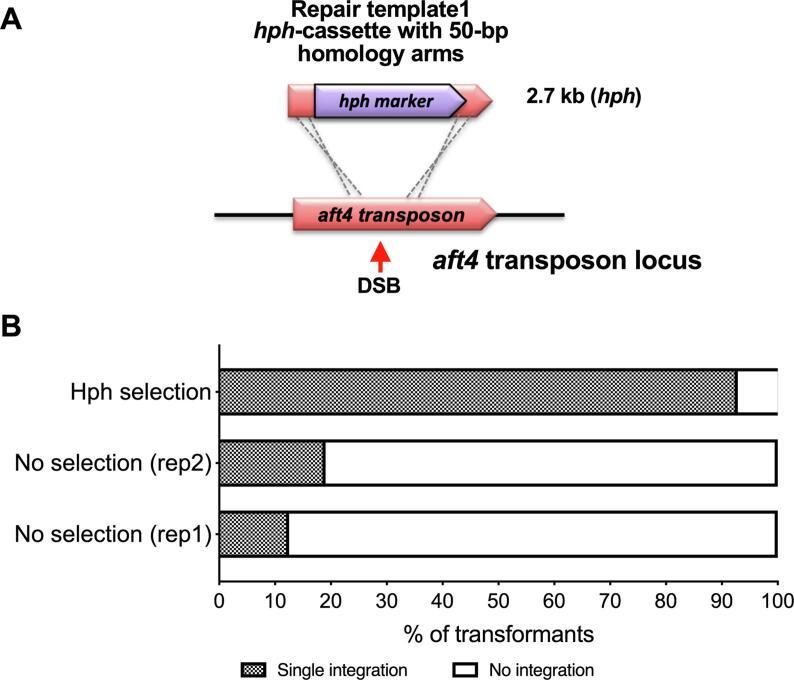
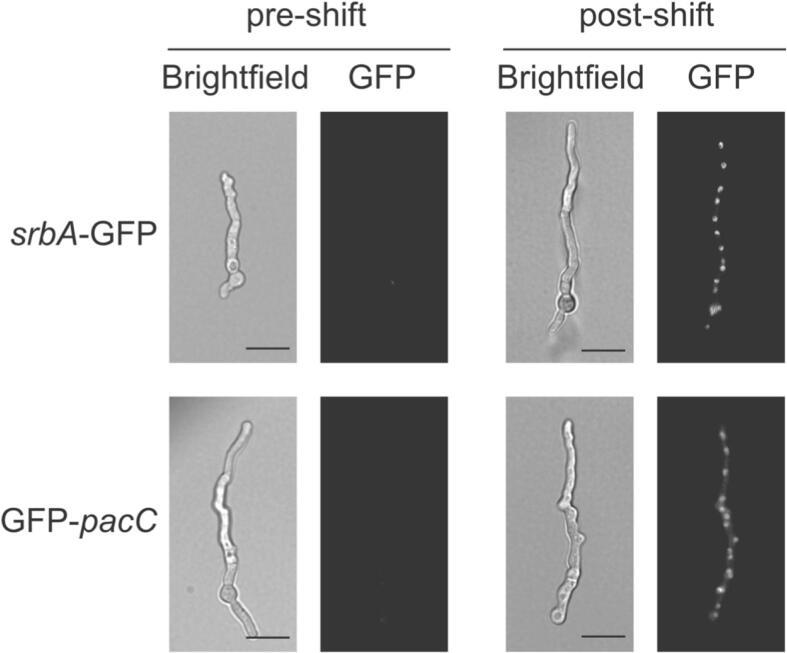
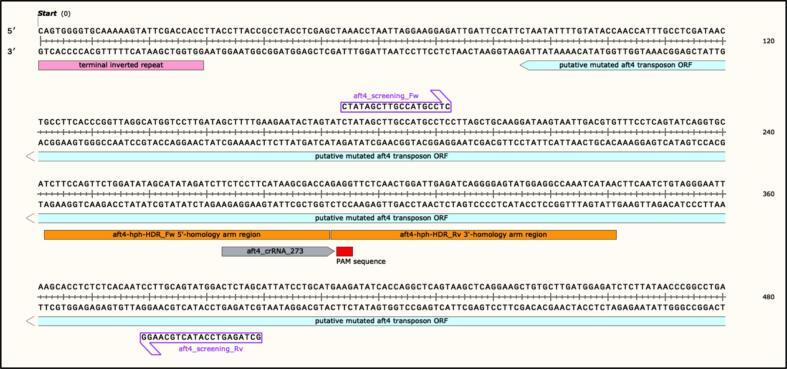
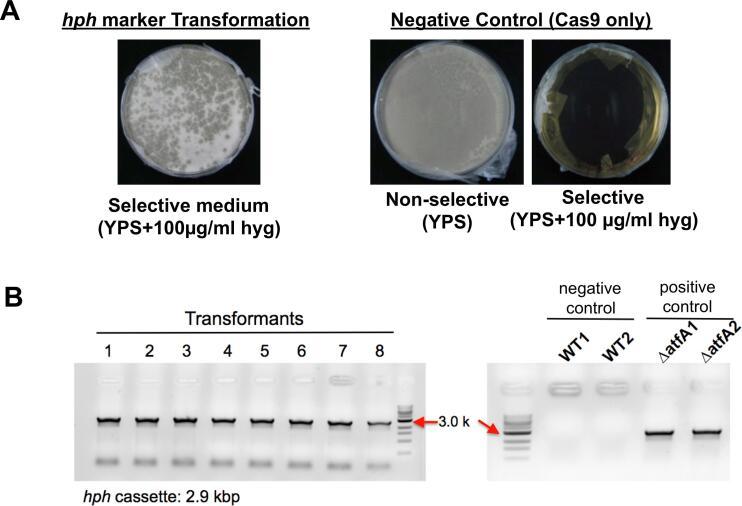
Aspergillus fumigatus is a saprophytic fungal pathogen that is the cause of more than 300,000 life-threatening infections annually. Our understanding of pathogenesis and factors contributing to disease progression are limited. Development of rapid and versatile gene editing methodologies for A. fumigatus is essential. CRISPR-Cas9 mediated transformation has been widely used as a novel genome editing tool and has been used for a variety of editing techniques, such as protein tagging, gene deletions and site-directed mutagenesis in A. fumigatus. However, successful genome editing relies on time consuming, multi-step cloning procedures paired with the use of selection markers, which can result in a metabolic burden for the host and/or unintended transcriptional modifications at the site of integration. We have used an in vitro CRISPR-Cas9 assembly methodology to perform selection-free genome editing, including epitope tagging of proteins and site-directed mutagenesis. The repair template used during this transformation use 50 bp micro-homology arms and can be generated with a single PCR reaction or by purchasing synthesised single stranded oligonucleotides, decreasing the time required for complex construct synthesis.
烟曲霉是一种腐生真菌病原体,每年导致超过 30 万例危及生命的感染。我们对发病机制和导致疾病进展的因素的了解有限。开发用于烟曲霉的快速且多功能的基因编辑方法至关重要。CRISPR-Cas9 介导的转化已被广泛用作一种新型基因组编辑工具,并已用于各种编辑技术,如在烟曲霉中进行蛋白质标记、基因缺失和定点诱变。然而,成功的基因组编辑依赖于耗时的、多步骤的克隆程序以及选择标记的使用,这可能会给宿主带来代谢负担和/或在整合部位产生非预期的转录修饰。我们使用体外 CRISPR-Cas9 组装方法进行无选择基因组编辑,包括蛋白质的表位标记和定点诱变。在这种转化过程中使用的修复模板使用 50bp 微同源臂,可以通过单次 PCR 反应或购买合成的单链寡核苷酸来生成,从而减少了复杂构建体合成所需的时间。







 Zotero 插件