
二苯乙基胺类化合物作为选择性 κ 阿片受体配体的发展及其药理学活性。
Development of Diphenethylamines as Selective Kappa Opioid Receptor Ligands and Their Pharmacological Activities.
机构信息
Department of Pharmaceutical Chemistry, Institute of Pharmacy and Center for Molecular Biosciences Innsbruck (CMBI), University of Innsbruck, Innrain 80-82, 6020 Innsbruck, Austria.
出版信息
Molecules. 2020 Nov 2;25(21):5092. doi: 10.3390/molecules25215092.
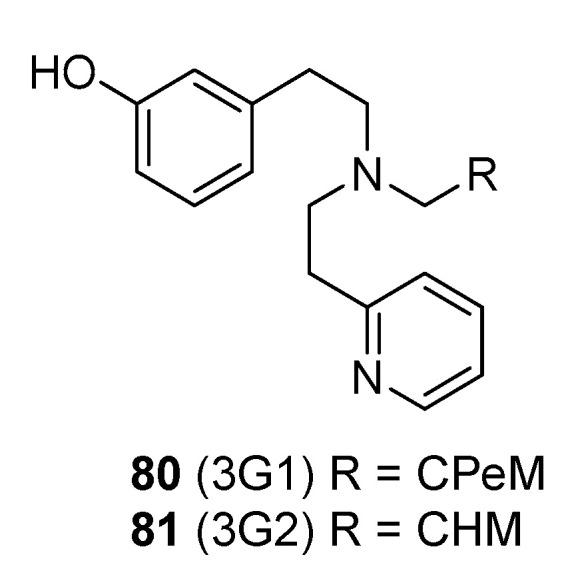
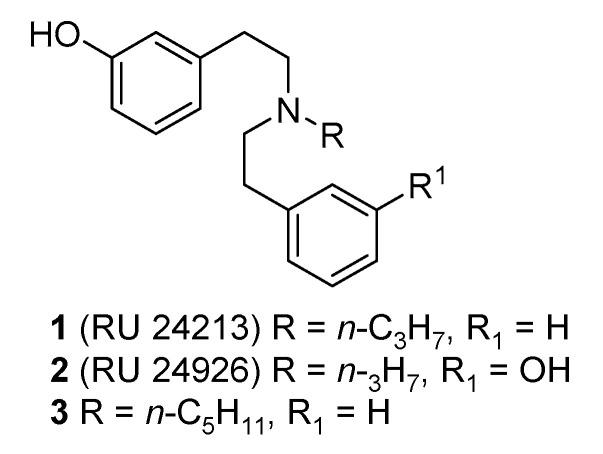
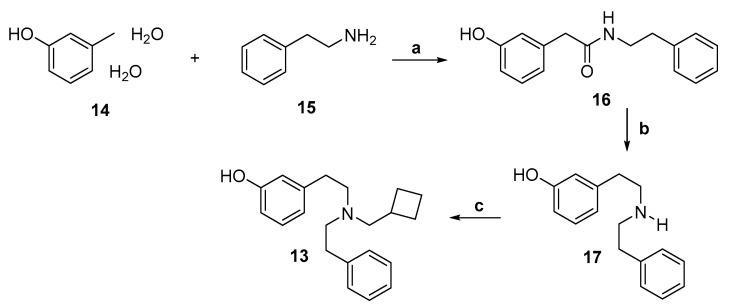
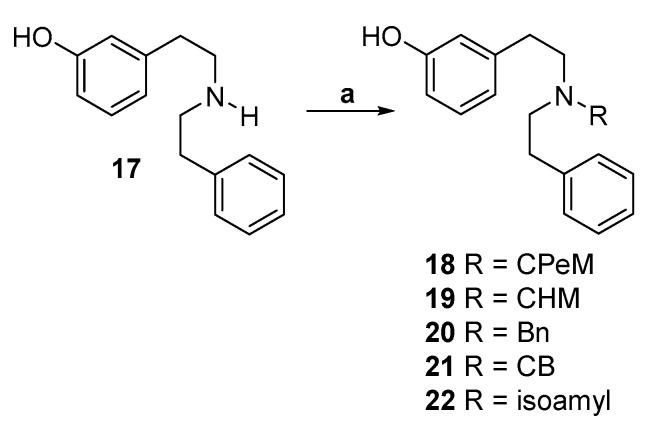
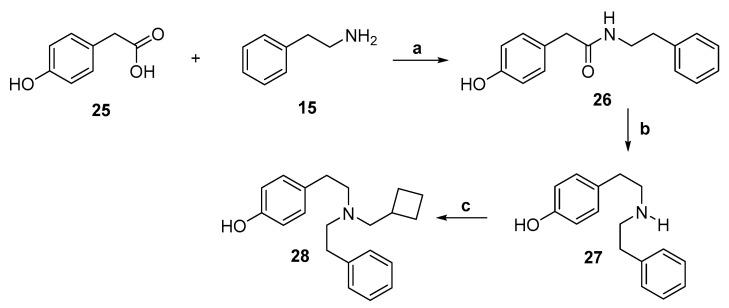
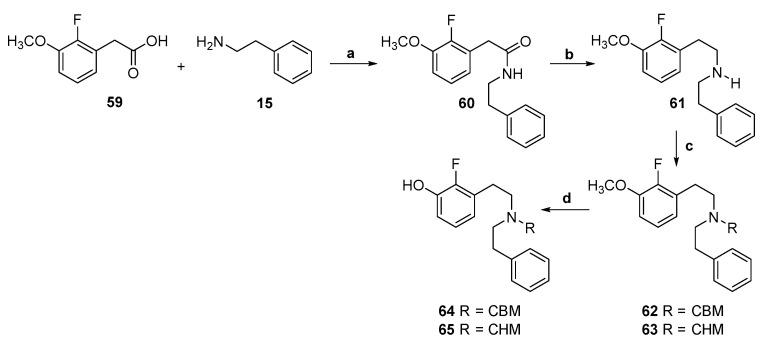
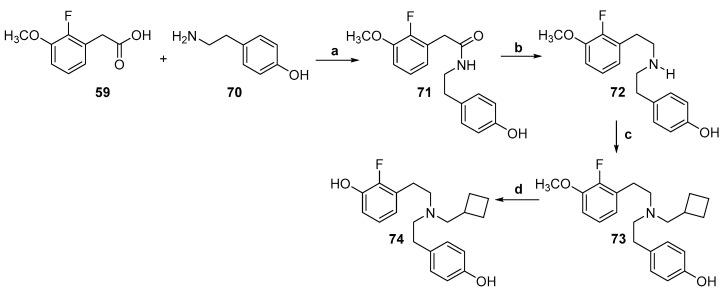
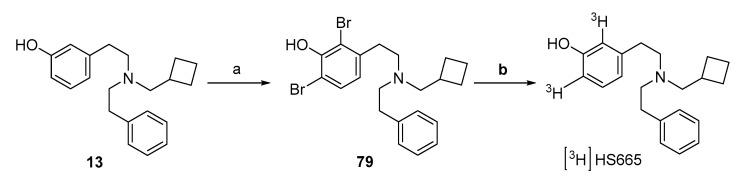
Among the opioid receptors, the kappa opioid receptor (KOR) has been gaining substantial attention as a promising molecular target for the treatment of numerous human disorders, including pain, pruritus, affective disorders (i.e., depression and anxiety), drug addiction, and neurological diseases (i.e., epilepsy). Particularly, the knowledge that activation of the KOR, opposite to the mu opioid receptor (MOR), does not produce euphoria or leads to respiratory depression or overdose, has stimulated the interest in discovering ligands targeting the KOR as novel pharmacotherapeutics. However, the KOR mediates the negative side effects of dysphoria/aversion, sedation, and psychotomimesis, with the therapeutic promise of biased agonism (i.e., selective activation of beneficial over deleterious signaling pathways) for designing safer KOR therapeutics without the liabilities of conventional KOR agonists. In this review, the development of new KOR ligands from the class of diphenethylamines is presented. Specifically, we describe the design strategies, synthesis, and pharmacological activities of differently substituted diphenethylamines, where structure-activity relationships have been extensively studied. Ligands with distinct profiles as potent and selective agonists, G protein-biased agonists, and selective antagonists, and their potential use as therapeutic agents (i.e., pain treatment) and research tools are described.
在阿片受体中,κ 型阿片受体(KOR)作为治疗多种人类疾病(如疼痛、瘙痒、情感障碍(如抑郁和焦虑)、药物成瘾和神经疾病(如癫痫))的有希望的分子靶点,越来越受到关注。特别是,与μ型阿片受体(MOR)不同,激活 KOR 不会产生欣快感,也不会导致呼吸抑制或过量,这激发了人们发现针对 KOR 的配体作为新型药物治疗的兴趣。然而,KOR 介导了不愉快/厌恶、镇静和精神幻觉等负面副作用,而偏向激动剂(即选择性激活有益而非有害信号通路)的治疗潜力为设计更安全的 KOR 治疗药物提供了可能,而不会产生传统 KOR 激动剂的副作用。在这篇综述中,介绍了二苯乙胺类新型 KOR 配体的开发。具体来说,我们描述了不同取代的二苯乙胺的设计策略、合成和药理学活性,其中广泛研究了构效关系。描述了具有不同特性的配体,包括强效和选择性激动剂、G 蛋白偏向激动剂和选择性拮抗剂,以及它们作为治疗剂(如疼痛治疗)和研究工具的潜在用途。







 Zotero 插件