
具有环境保护潜在应用的氧化铁/磷酸盐材料复合材料
Iron Oxide/Phosphatic Materials Composites with Potential Applications in Environmental Protection.
作者信息
Ispas Georgiana Cornelia, Manea Raluca, Brazdis Roxana Ioana, Baroi Anda Maria, Fistos Toma, Fierascu Radu Claudiu, Raduly Monica Florentina
机构信息
National Institute for Research & Development in Chemistry and Petrochemistry-ICECHIM Bucharest, 060021 Bucharest, Romania.
Department of Bioresources and Polymer Science, Faculty of Applied Chemistry and Materials Science, University Politehnica of Bucharest, 011061 Bucharest, Romania.
出版信息
Materials (Basel). 2020 Nov 8;13(21):5034. doi: 10.3390/ma13215034.
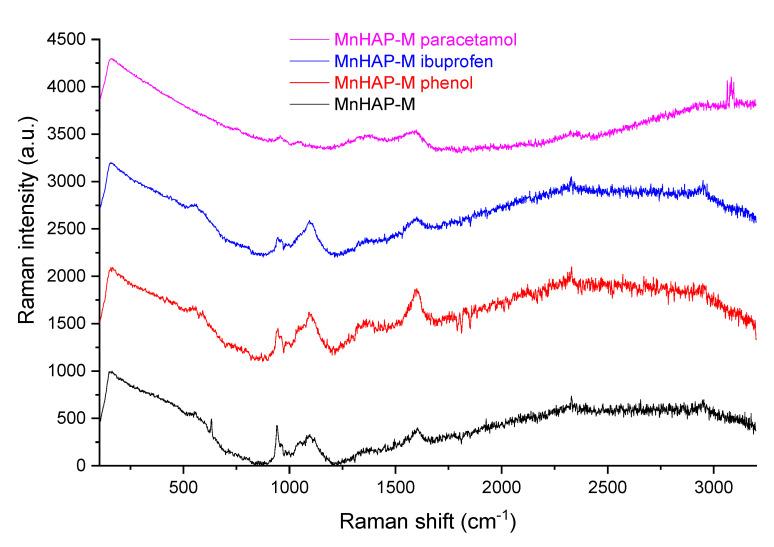
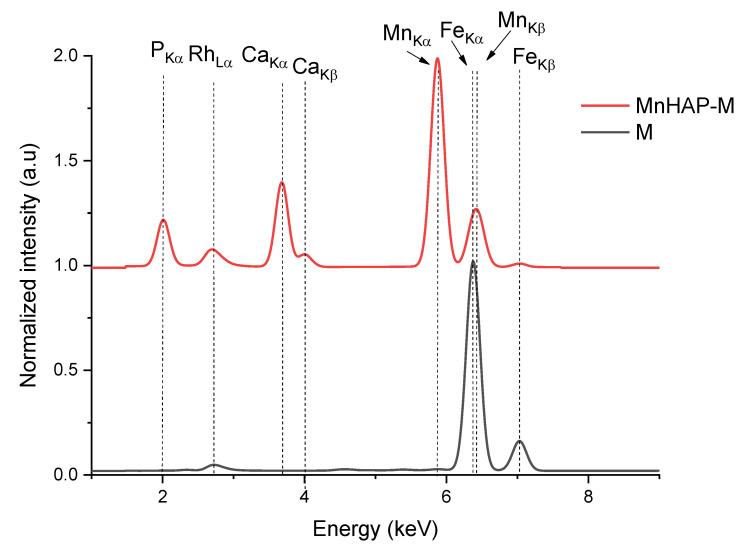
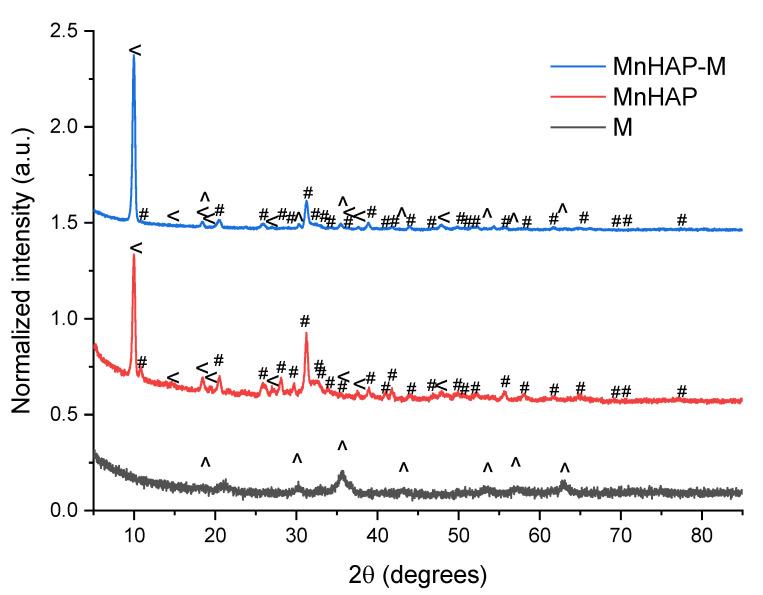
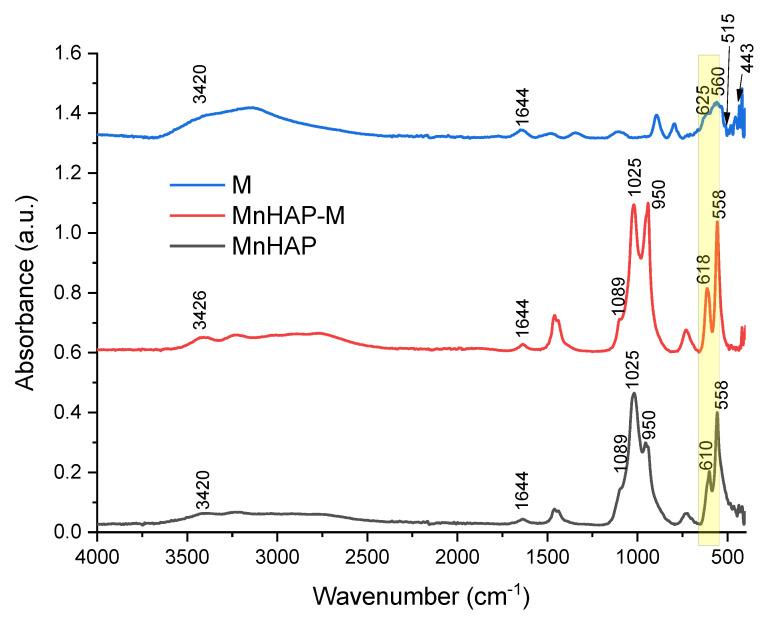
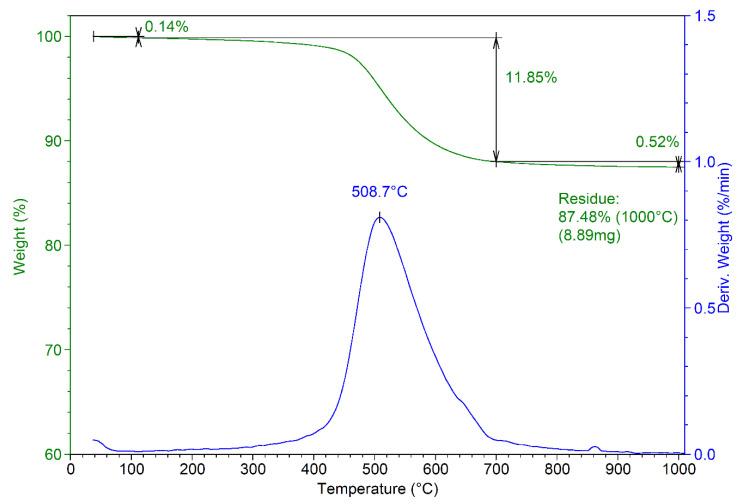
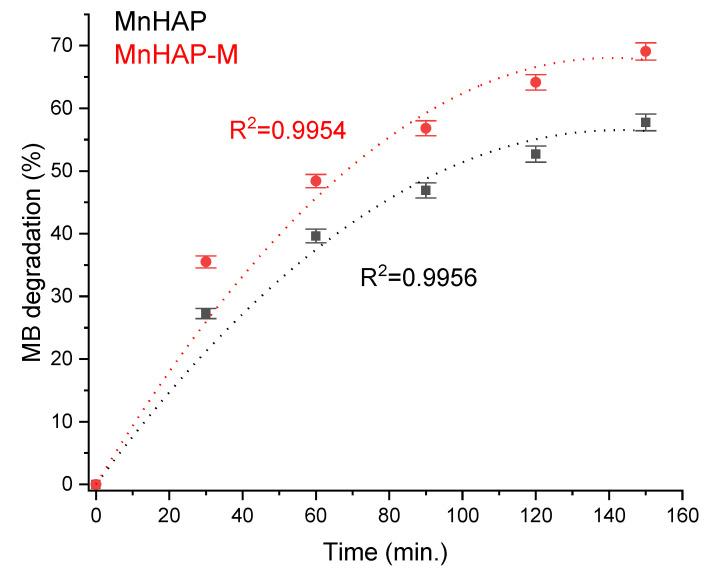
Currently, hydroxyapatite is probably the most researched material, due to its multiple applications in medical, environmental, or cultural heritage, when the classical structure is modified and calcium is displaced partially or totally with different metals. By changing the classical structure of the hydroxyapatite, new morphologies can be obtained, thus allowing final applications different from those of the initial hydroxyapatite material. However, their properties should be tuned for the desired application. In this context, the present paper describes the synthesis and characterization (through energy-dispersive X-ray fluorescence, X-ray diffraction, FTIR, thermal analysis, and transmission electron microscopy) of iron oxide/manganese-containing phosphatic phase composite materials, developed in order to obtain the enhancement of final environmental applications (photodegradation of dyes, adsorption of organic compounds). The composite material was tested for photocatalytic properties, after embedding in hydrosoluble film-forming materials. Photocatalytic coatings show different activity during the photodecomposition of Methylene Blue, used as a model of a contaminant. The photocatalytic activities of the materials were discussed in relationship with both the phosphatic materials and the magnetic components. Finally, other environmental applications were studied for the developed materials (adsorption of non-steroidal anti-inflammatory drugs-paracetamol and ibuprofen), revealing an enhancement of the adsorption capacity of the phosphatic material upon addition of the magnetic phase.
目前,羟基磷灰石可能是研究最多的材料,这是由于其在医学、环境或文化遗产领域有多种应用,此时经典结构会被修改,钙会被不同金属部分或完全取代。通过改变羟基磷灰石的经典结构,可以获得新的形态,从而使最终应用不同于初始羟基磷灰石材料的应用。然而,其性能应针对所需应用进行调整。在此背景下,本文描述了氧化铁/含锰磷相复合材料的合成与表征(通过能量色散X射线荧光光谱、X射线衍射、傅里叶变换红外光谱、热分析和透射电子显微镜),开发该复合材料是为了增强最终的环境应用(染料的光降解、有机化合物的吸附)。将该复合材料嵌入水溶性成膜材料后,测试了其光催化性能。光催化涂层在用作污染物模型的亚甲基蓝光分解过程中表现出不同的活性。讨论了材料的光催化活性与磷材料和磁性成分之间的关系。最后,研究了所开发材料的其他环境应用(吸附非甾体抗炎药——对乙酰氨基酚和布洛芬),结果表明添加磁性相后磷材料的吸附能力有所增强。




 Zotero 插件