
有机化合物的脱羧卤化反应。
Decarboxylative Halogenation of Organic Compounds.
机构信息
Schulich Faculty of Chemistry, Technion - Israel Institute of Technology, Technion City, Haifa 3200008, Israel.
出版信息
Chem Rev. 2021 Jan 13;121(1):412-484. doi: 10.1021/acs.chemrev.0c00813. Epub 2020 Nov 17.
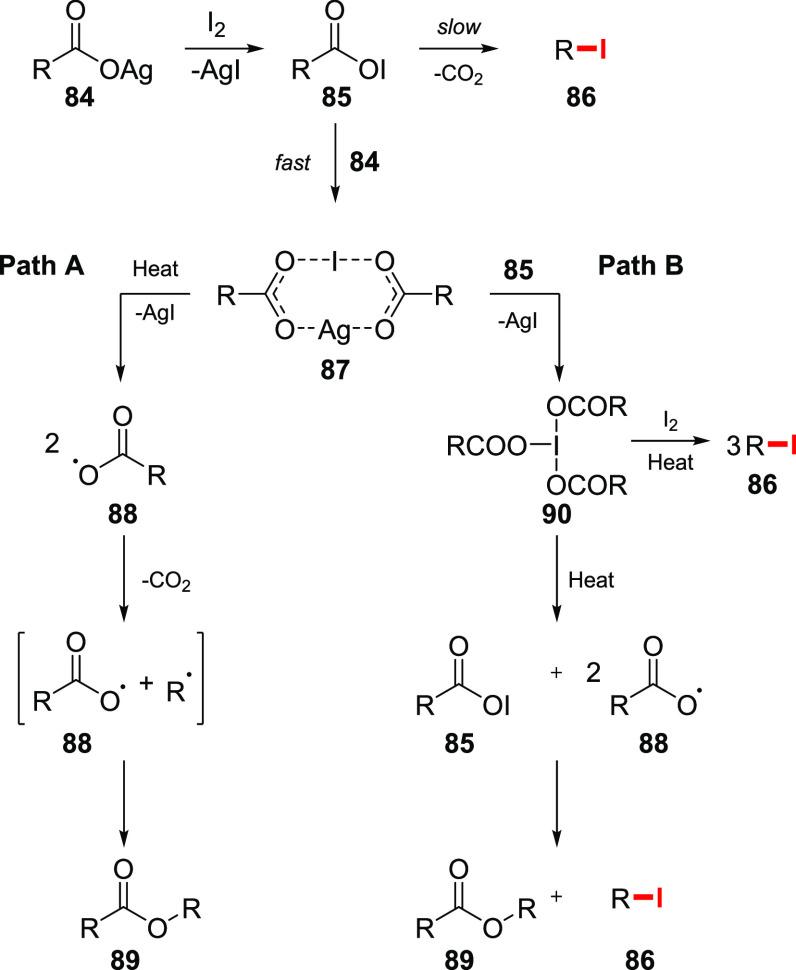
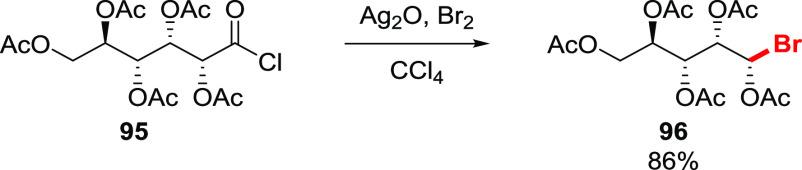
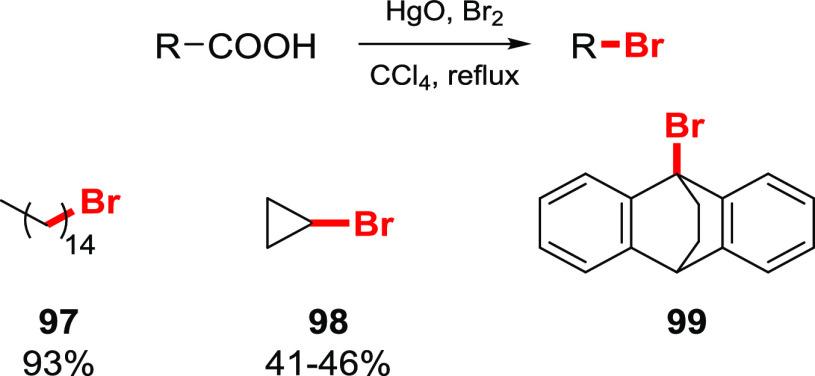
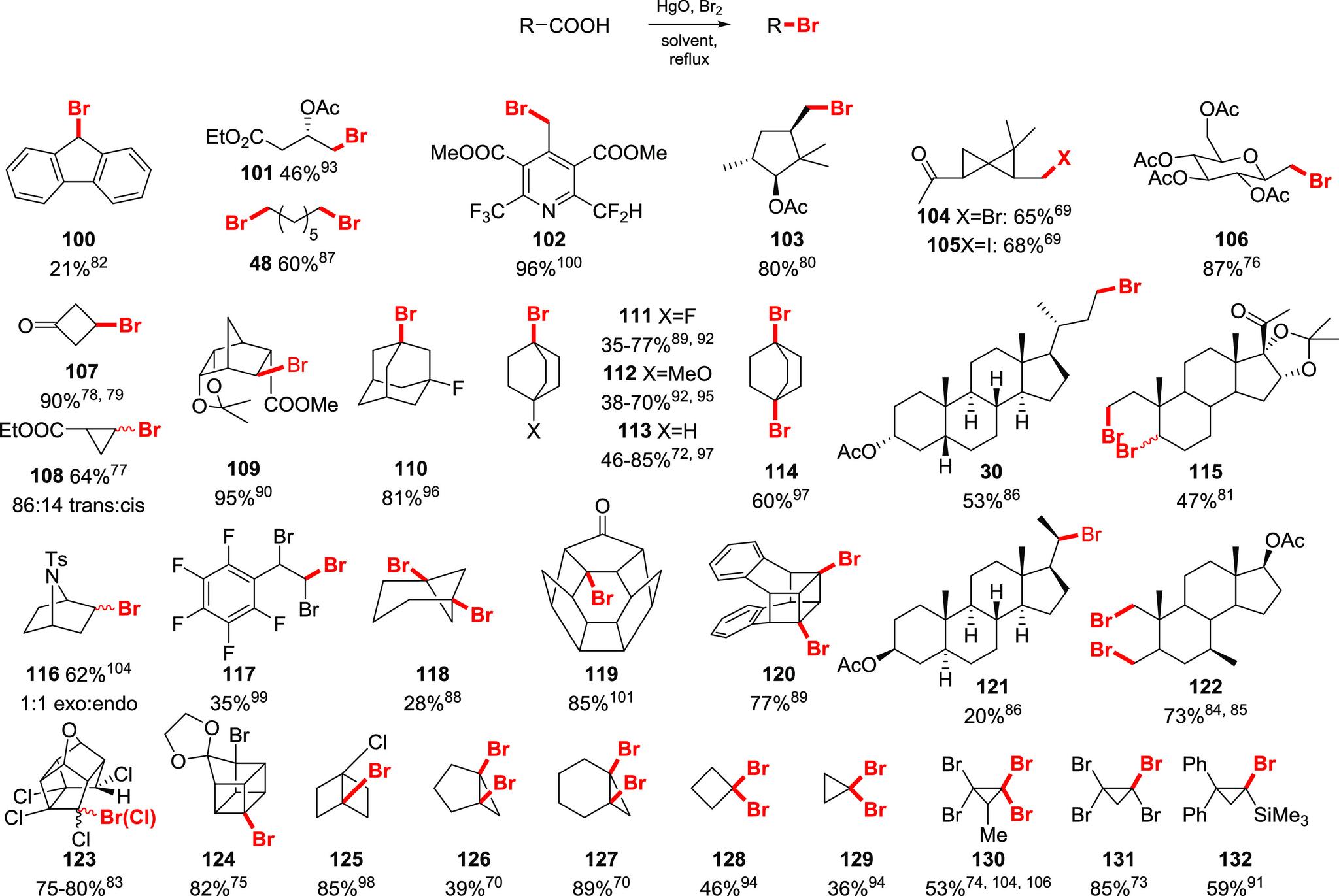
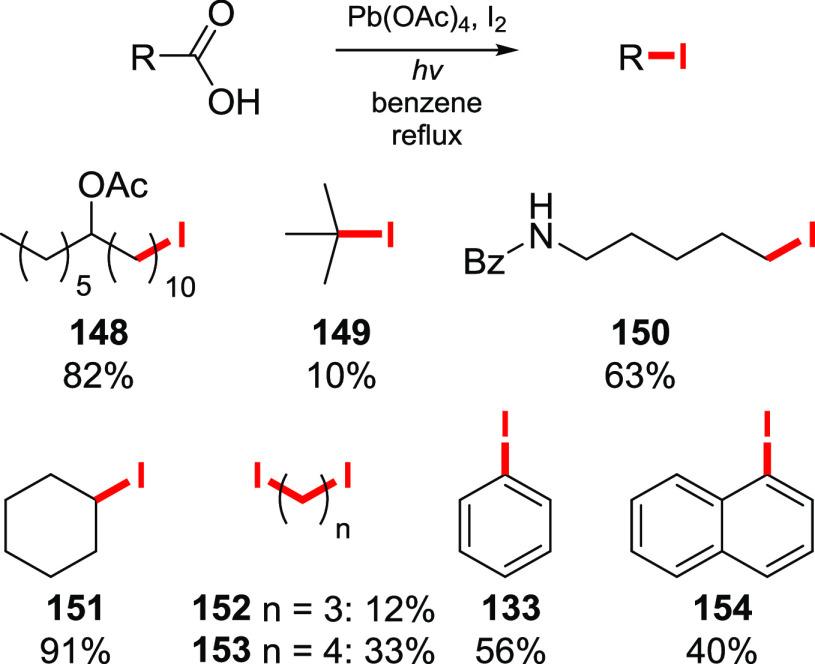
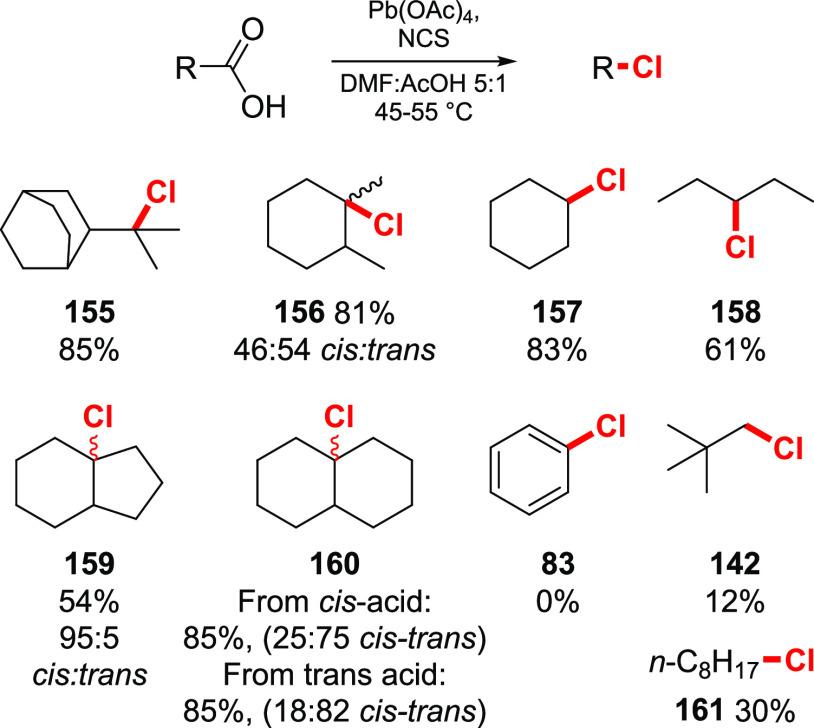
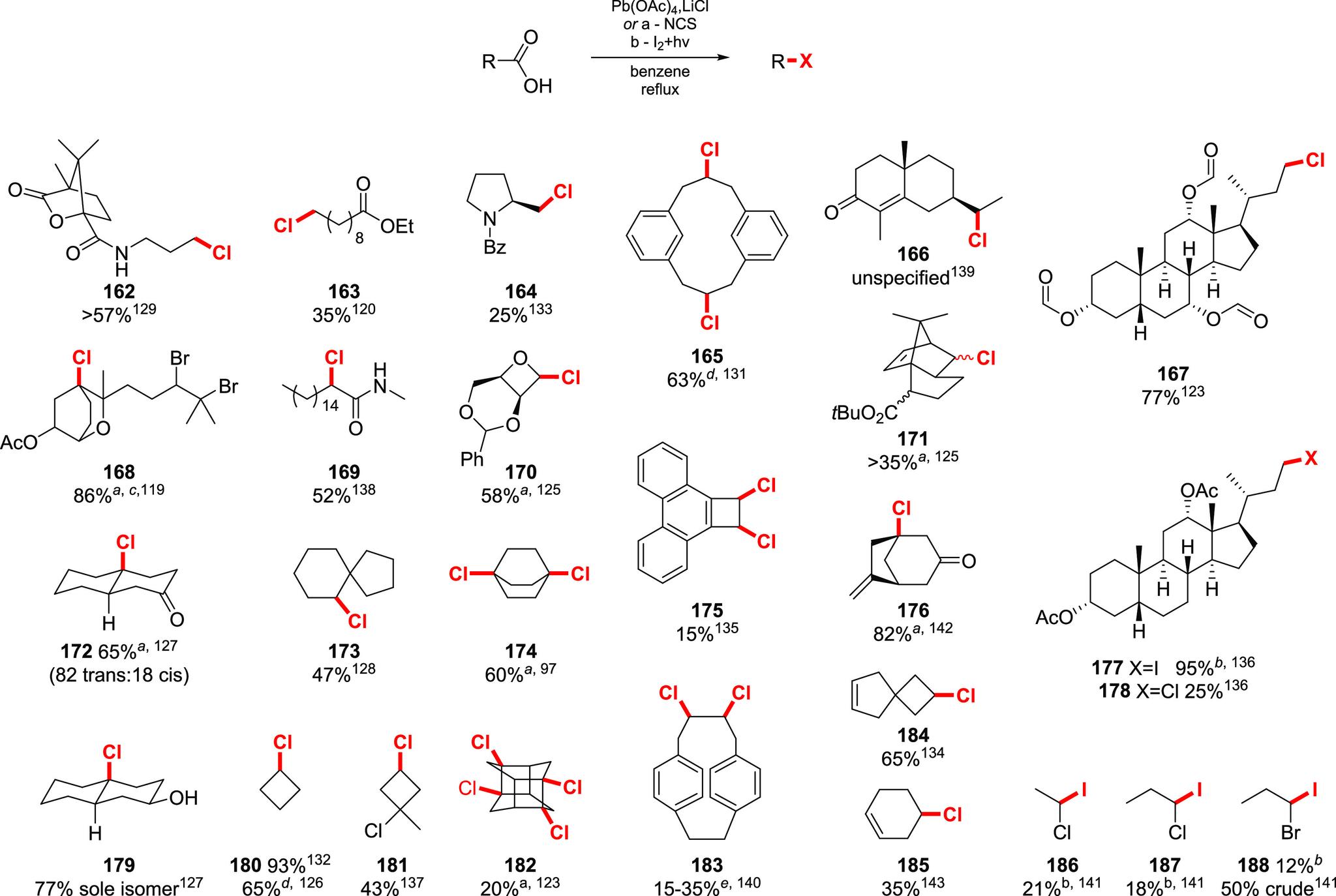
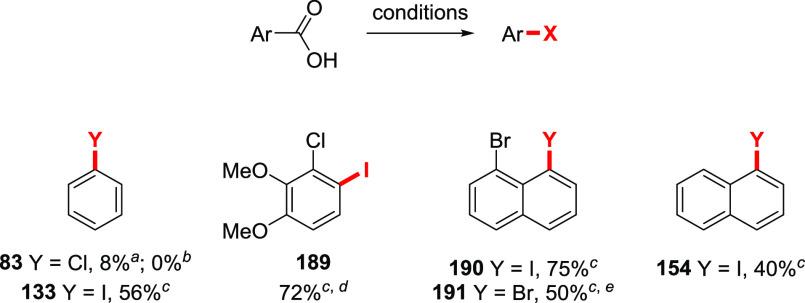
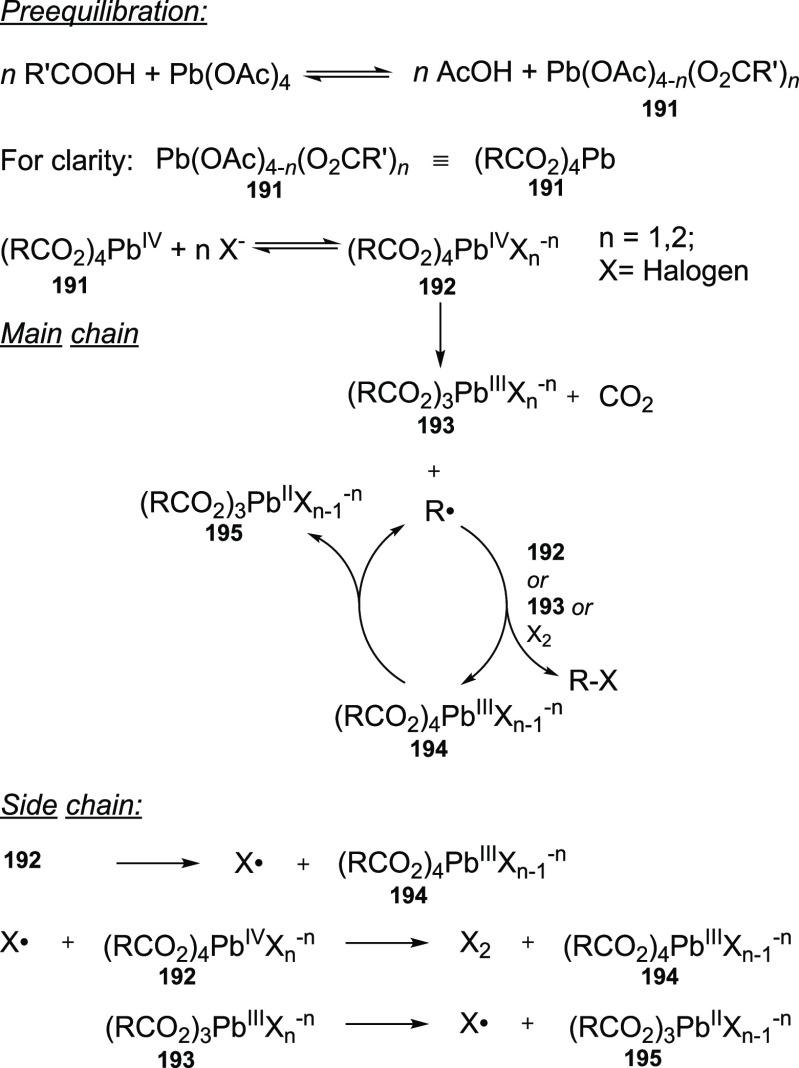
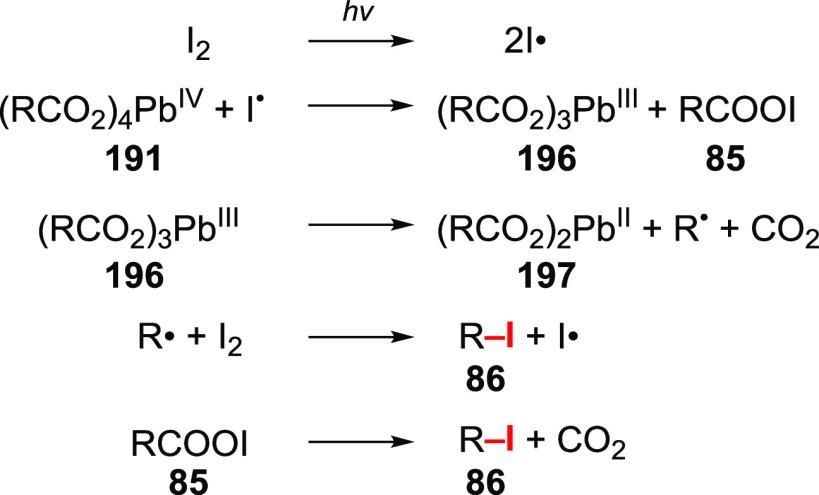
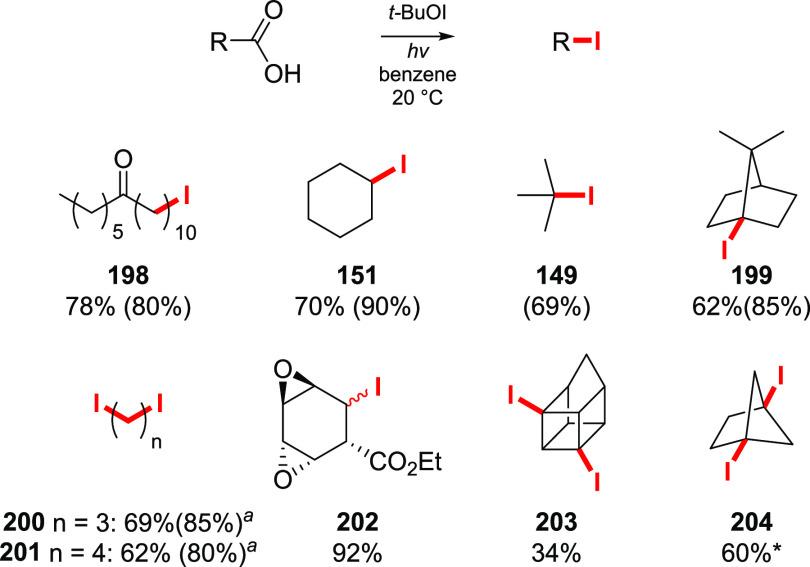
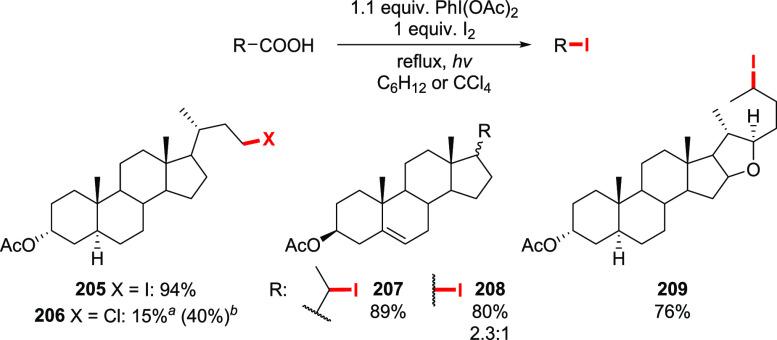
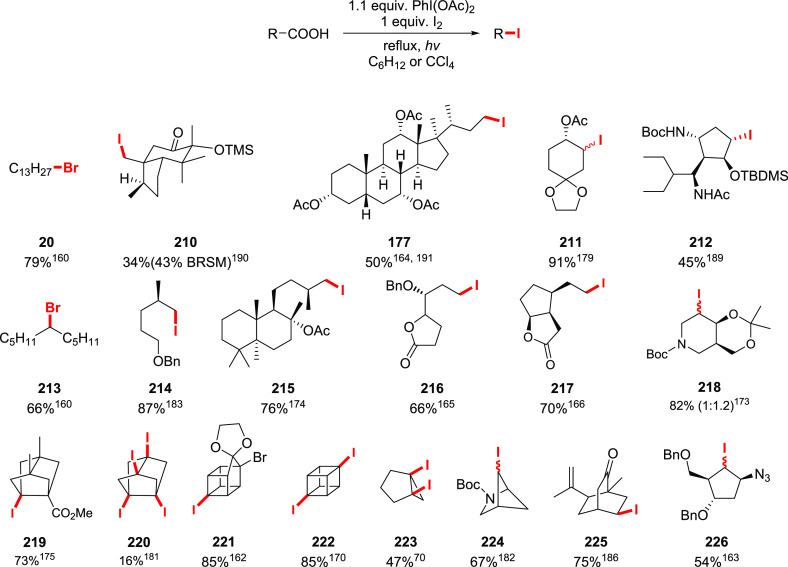
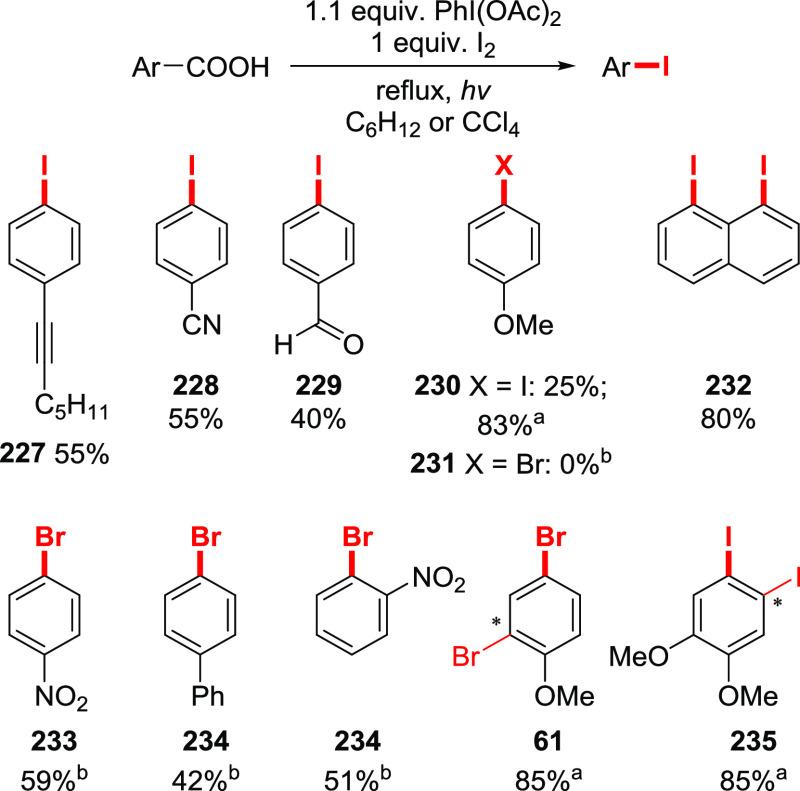
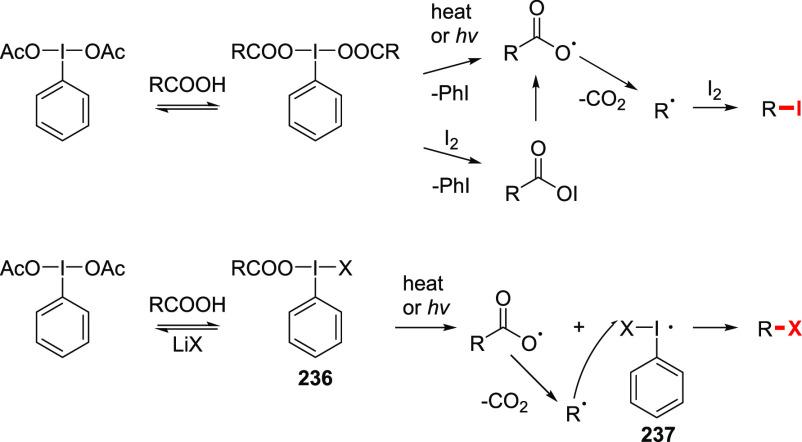
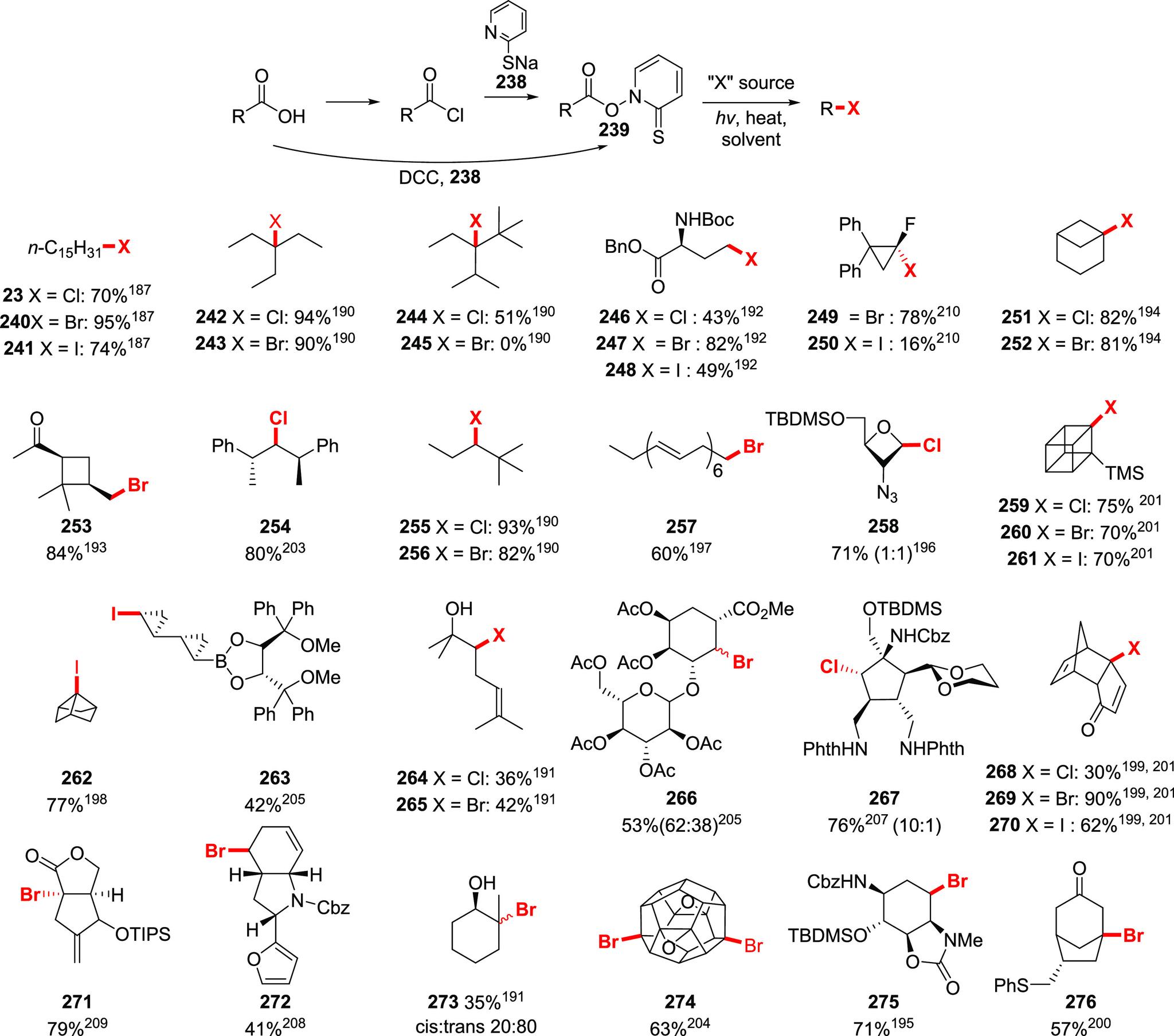
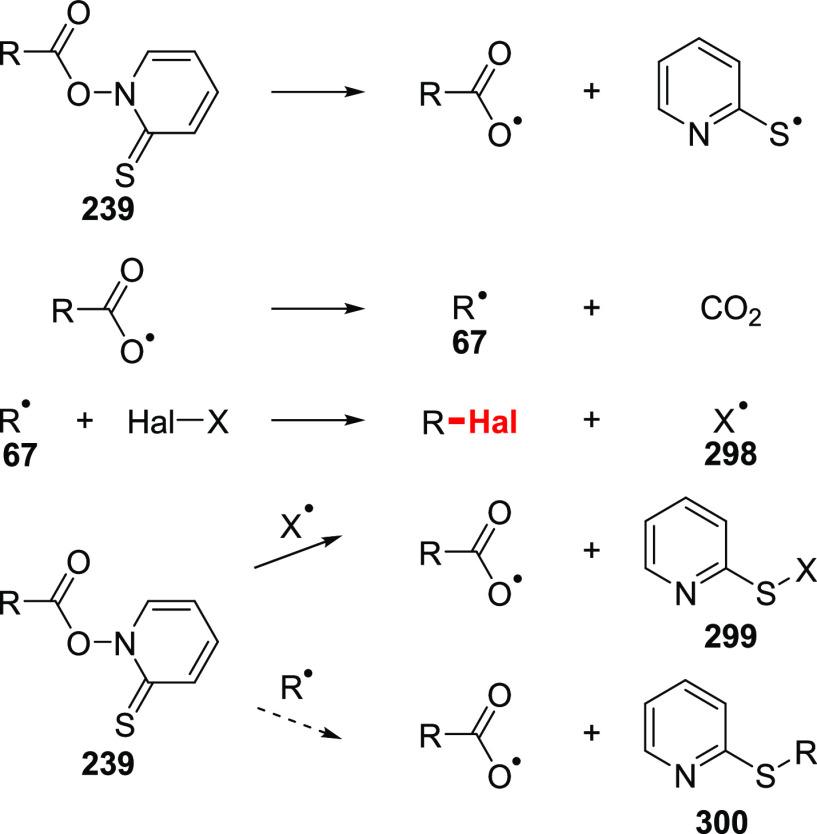
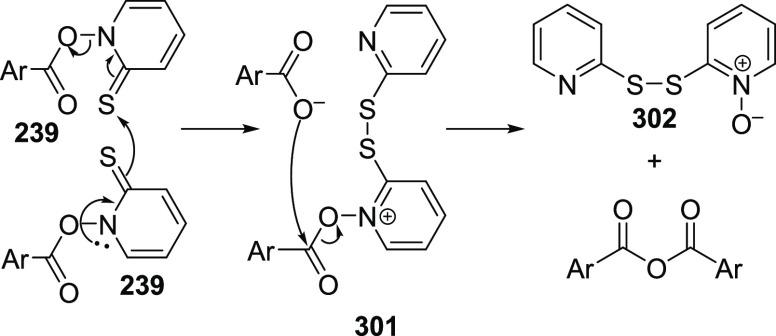
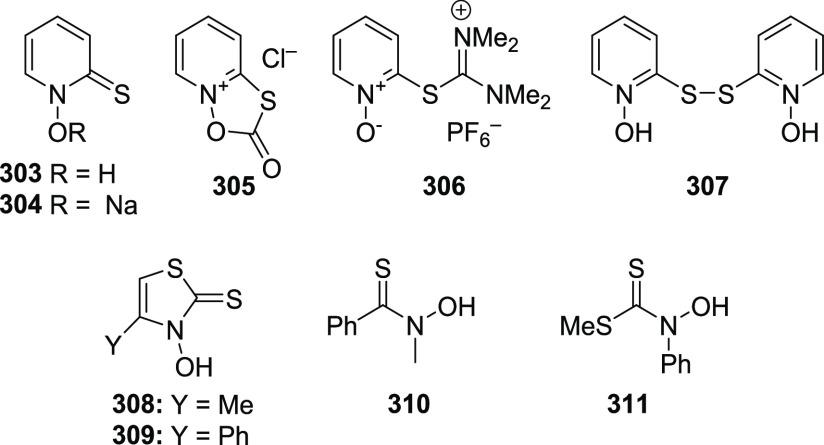
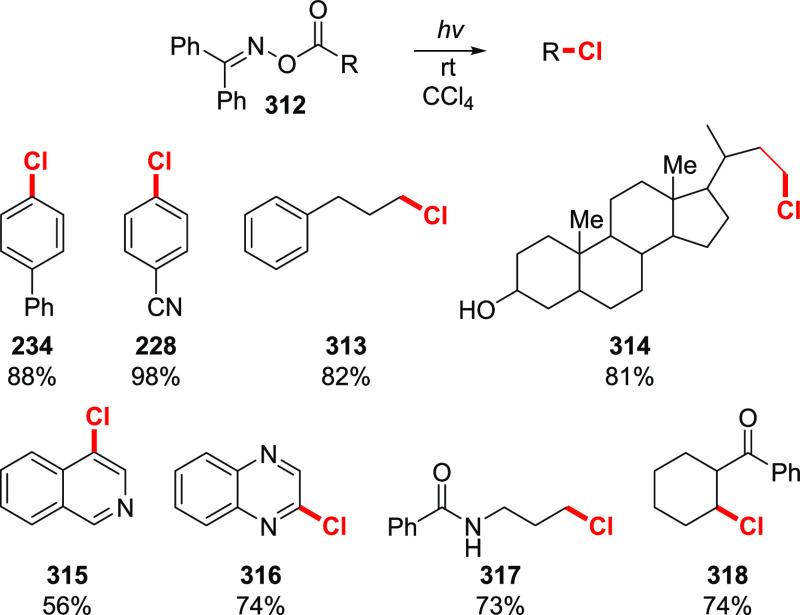
Decarboxylative halogenation, or halodecarboxylation, represents one of the fundamental key methods for the synthesis of ubiquitous organic halides. The method is based on conversion of carboxylic acids to the corresponding organic halides via selective cleavage of a carbon-carbon bond between the skeleton of the molecule and the carboxylic group and the liberation of carbon dioxide. In this review, we discuss and analyze major approaches for the conversion of alkanoic, alkenoic, acetylenic, and (hetero)aromatic acids to the corresponding alkyl, alkenyl, alkynyl, and (hetero)aryl halides. These methods include the preparation of families of valuable organic iodides, bromides, chlorides, and fluorides. The historic and modern methods for halodecarboxylation reactions are broadly discussed, including analysis of their advantages and drawbacks. We critically address the features, reaction selectivity, substrate scopes, and limitations of the approaches. In the available cases, mechanistic details of the reactions are presented, and the generality and uniqueness of the different mechanistic pathways are highlighted. The challenges, opportunities, and future directions in the field of decarboxylative halogenation are provided.
脱羧卤化,或卤代脱羧,是合成普遍存在的有机卤化物的基本关键方法之一。该方法基于通过选择性裂解分子骨架和羧基之间的碳-碳键以及释放二氧化碳,将羧酸转化为相应的有机卤化物。在这篇综述中,我们讨论和分析了将烷酸、烯酸、炔酸和(杂)芳酸转化为相应的烷基、烯基、炔基和(杂)芳基卤化物的主要方法。这些方法包括制备一系列有价值的有机碘化物、溴化物、氯化物和氟化物。广泛讨论了卤代脱羧反应的历史和现代方法,包括分析它们的优缺点。我们批判性地探讨了这些方法的特点、反应选择性、底物范围和局限性。在现有的情况下,呈现了反应的机理细节,并突出了不同机理途径的通用性和独特性。提供了脱羧卤化领域的挑战、机遇和未来方向。














 Zotero 插件