
基于无损检测的砂岩损伤测量比较
Comparison of Sandstone Damage Measurements Based on Non-Destructive Testing.
作者信息
Yin Duohao, Xu Qianjun
机构信息
State Key Laboratory of Hydroscience and Engineering, Tsinghua University, Beijing 100084, China.
出版信息
Materials (Basel). 2020 Nov 16;13(22):5154. doi: 10.3390/ma13225154.
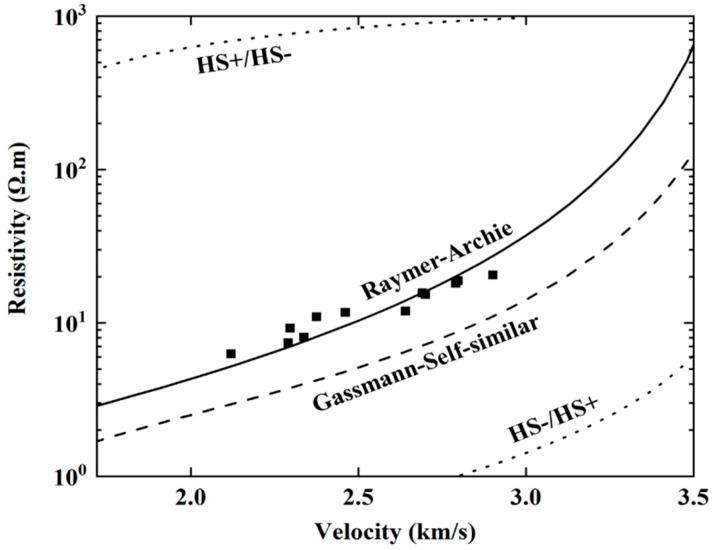
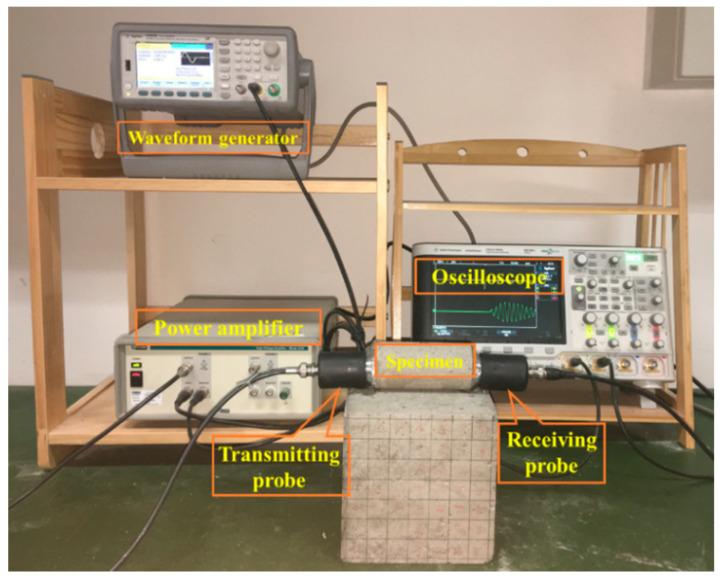
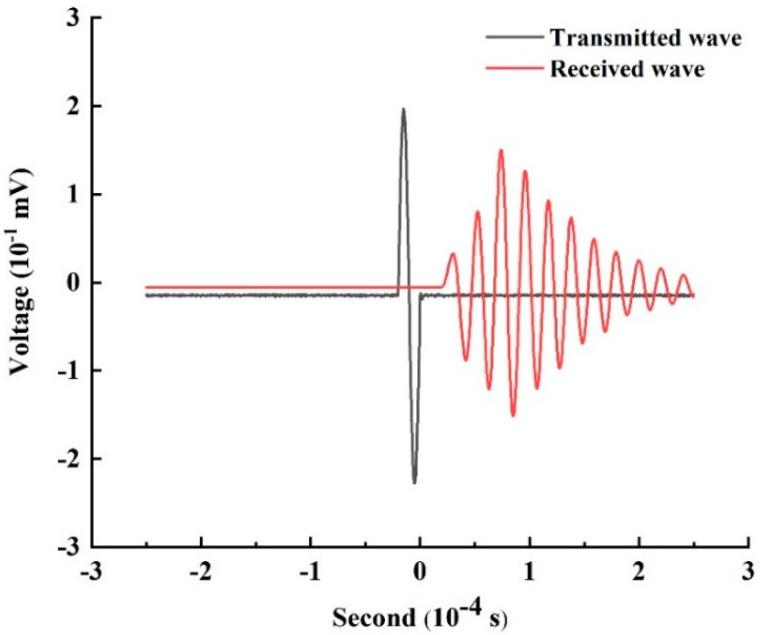
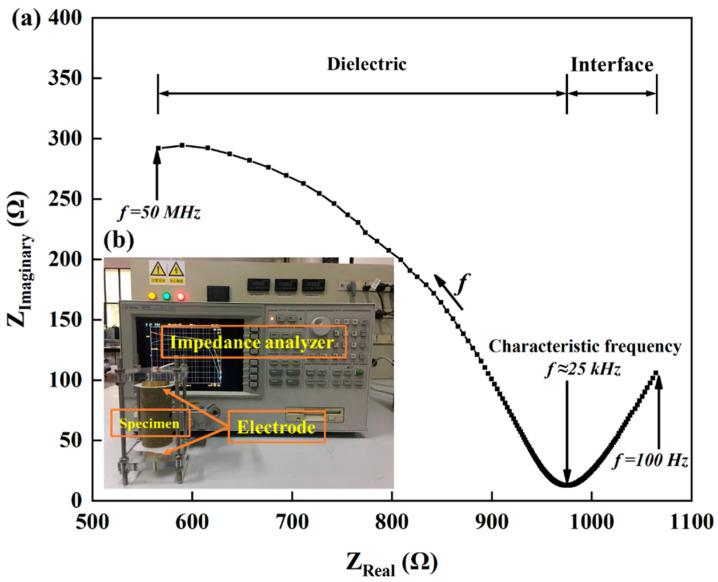
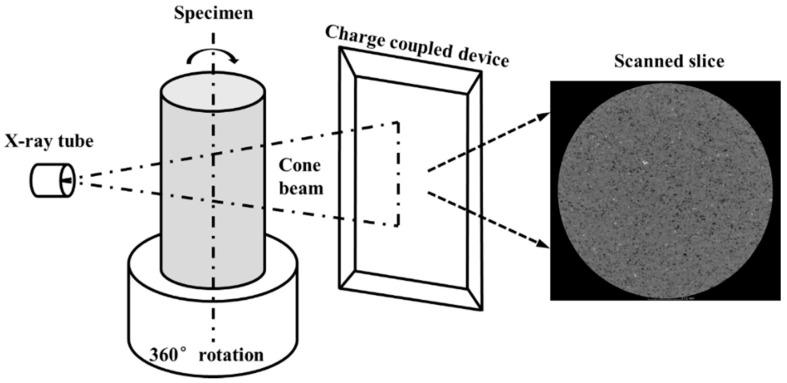
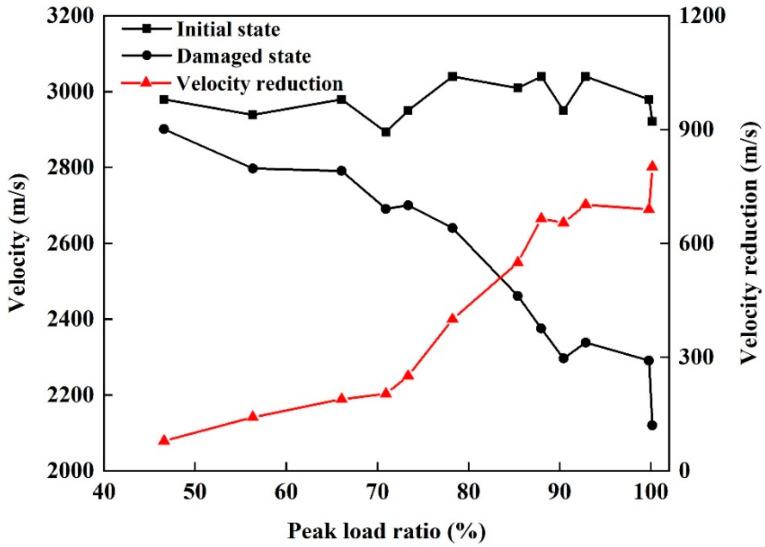
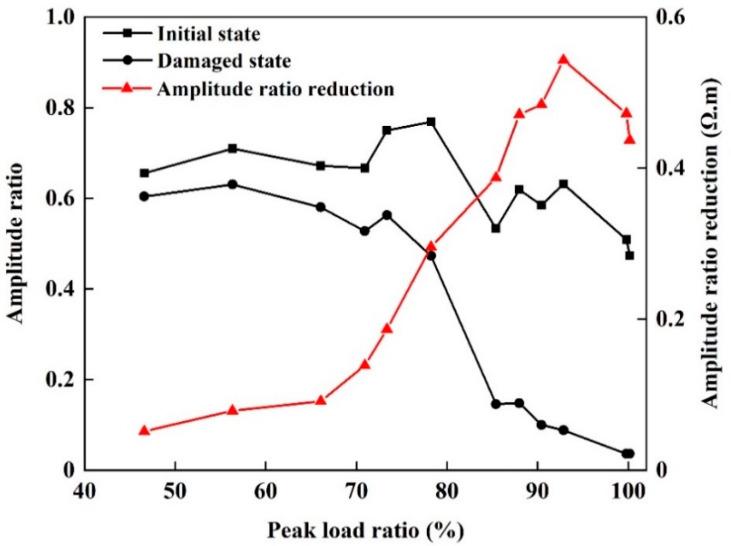
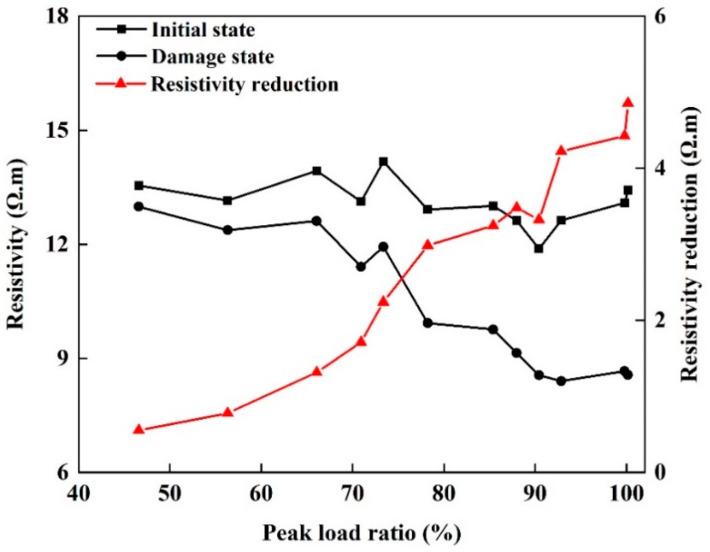
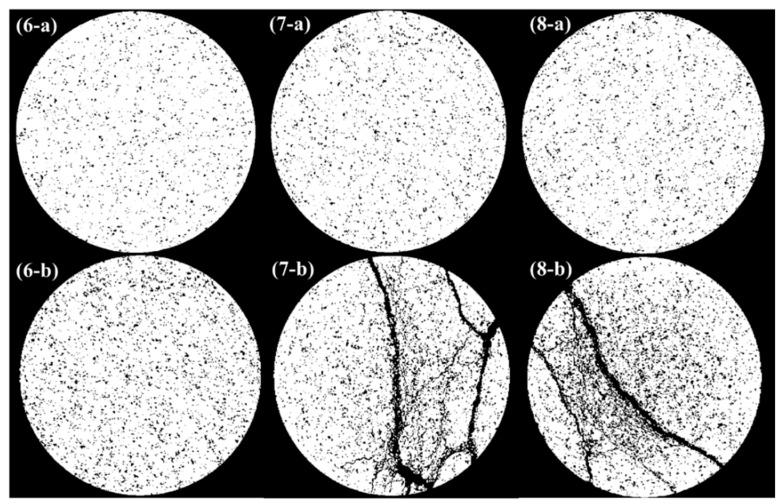
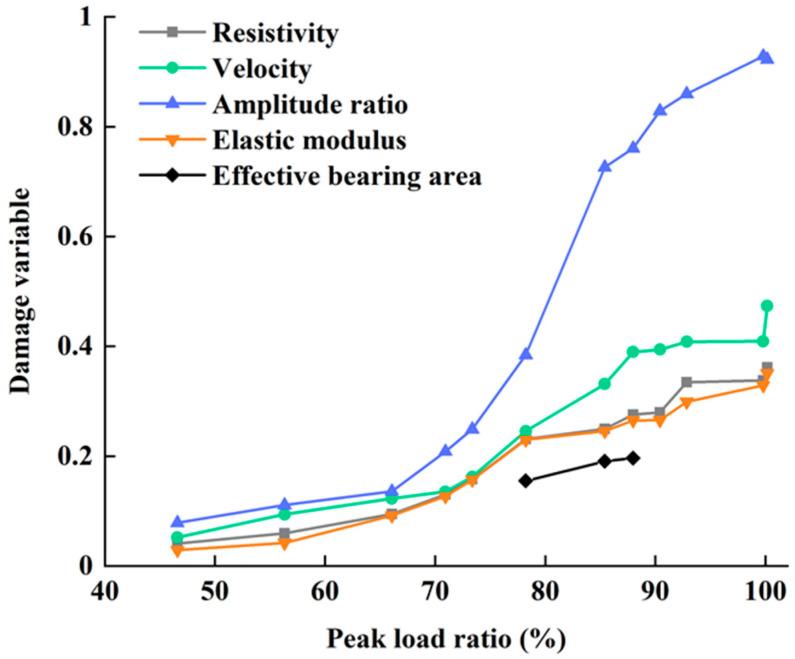
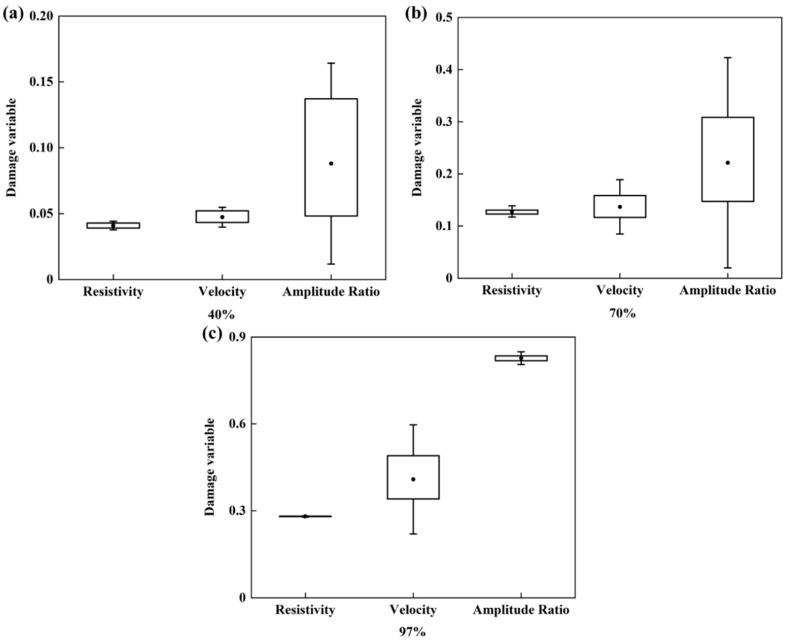
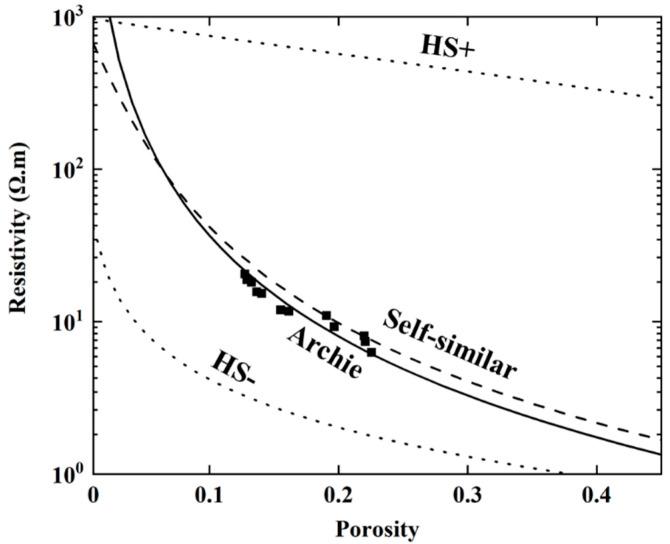
Non-destructive testing (NDT) methods are an important means to detect and assess rock damage. To better understand the accuracy of NDT methods for measuring damage in sandstone, this study compared three NDT methods, including ultrasonic testing, electrical impedance spectroscopy (EIS) testing, computed tomography (CT) scan testing, and a destructive test method, elastic modulus testing. Sandstone specimens were subjected to different levels of damage through cyclic loading and different damage variables derived from five different measured parameters-longitudinal wave (P-wave) velocity, first wave amplitude attenuation, resistivity, effective bearing area and the elastic modulus-were compared. The results show that the NDT methods all reflect the damage levels for sandstone accurately. The damage variable derived from the P-wave velocity is more consistent with the other damage variables, and the amplitude attenuation is more sensitive to damage. The damage variable derived from the effective bearing area is smaller than that derived from the other NDT measurement parameters. Resistivity provides a more stable measure of damage, and damage derived from the acoustic parameters is less stable. By developing P-wave velocity-to-resistivity models based on theoretical and empirical relationships, it was found that differences between these two damage parameters can be explained by differences between the mechanisms through which they respond to porosity, since the resistivity reflect pore structure, while the P-wave velocity reflects the extent of the continuous medium within the sandstone.
无损检测(NDT)方法是检测和评估岩石损伤的重要手段。为了更好地理解无损检测方法测量砂岩损伤的准确性,本研究比较了三种无损检测方法,包括超声检测、电阻抗谱(EIS)测试、计算机断层扫描(CT)扫描测试,以及一种破坏性测试方法——弹性模量测试。通过循环加载使砂岩试样遭受不同程度的损伤,并比较了从五个不同测量参数——纵波(P波)速度、首波振幅衰减、电阻率、有效承载面积和弹性模量——得出的不同损伤变量。结果表明,无损检测方法均能准确反映砂岩的损伤程度。由P波速度得出的损伤变量与其他损伤变量更为一致,且振幅衰减对损伤更为敏感。由有效承载面积得出的损伤变量小于由其他无损检测测量参数得出的损伤变量。电阻率提供了更稳定的损伤度量,而由声学参数得出的损伤则不太稳定。通过基于理论和经验关系建立P波速度与电阻率模型,发现这两个损伤参数之间的差异可以通过它们对孔隙率的响应机制之间的差异来解释,因为电阻率反映孔隙结构,而P波速度反映砂岩内连续介质的程度。

 Zotero 插件