
丙酸咪唑在糖尿病中增加,并与饮食模式和微生物生态的改变有关。
Imidazole propionate is increased in diabetes and associated with dietary patterns and altered microbial ecology.
机构信息
Wallenberg Laboratory, Department of Molecular and Clinical Medicine and Sahlgrenska Center for Cardiovascular and Metabolic Research, University of Gothenburg, 413 45, Gothenburg, Sweden.
Department of Medicine, Sahlgrenska University Hospital, Gothenburg, Sweden.
出版信息
Nat Commun. 2020 Nov 18;11(1):5881. doi: 10.1038/s41467-020-19589-w.
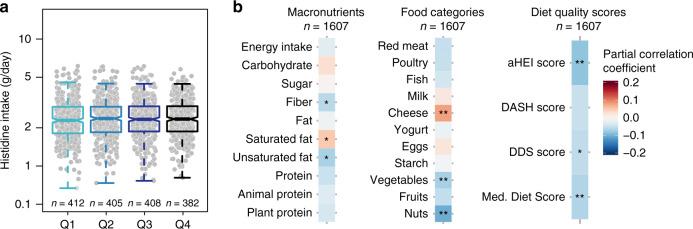
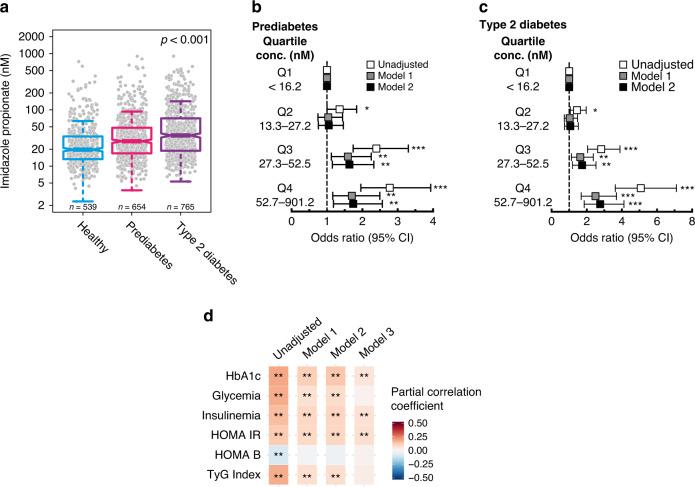
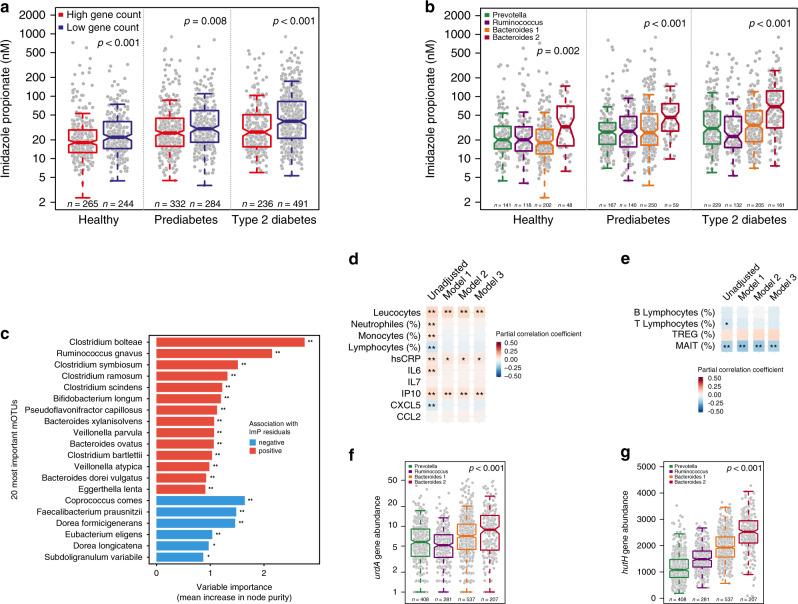
Microbiota-host-diet interactions contribute to the development of metabolic diseases. Imidazole propionate is a novel microbially produced metabolite from histidine, which impairs glucose metabolism. Here, we show that subjects with prediabetes and diabetes in the MetaCardis cohort from three European countries have elevated serum imidazole propionate levels. Furthermore, imidazole propionate levels were increased in subjects with low bacterial gene richness and Bacteroides 2 enterotype, which have previously been associated with obesity. The Bacteroides 2 enterotype was also associated with increased abundance of the genes involved in imidazole propionate biosynthesis from dietary histidine. Since patients and controls did not differ in their histidine dietary intake, the elevated levels of imidazole propionate in type 2 diabetes likely reflects altered microbial metabolism of histidine, rather than histidine intake per se. Thus the microbiota may contribute to type 2 diabetes by generating imidazole propionate that can modulate host inflammation and metabolism.
微生物群-宿主-饮食相互作用导致代谢疾病的发生。咪唑丙酸是一种从组氨酸产生的新型微生物代谢产物,可损害葡萄糖代谢。在这里,我们表明,来自三个欧洲国家的 MetaCardis 队列中的糖尿病前期和糖尿病患者的血清咪唑丙酸水平升高。此外,在细菌基因丰富度低和拟杆菌 2 肠型的受试者中,咪唑丙酸水平升高,而拟杆菌 2 肠型先前与肥胖有关。拟杆菌 2 肠型也与参与饮食组氨酸的咪唑丙酸生物合成的基因的丰度增加有关。由于患者和对照组在组氨酸的饮食摄入上没有差异,2 型糖尿病患者中咪唑丙酸水平升高可能反映了组氨酸的微生物代谢发生改变,而不是组氨酸的摄入本身。因此,微生物群可能通过产生可以调节宿主炎症和代谢的咪唑丙酸来导致 2 型糖尿病。
 Zotero 插件