
类黄酮:对抗肌肉萎缩的营养保健潜力。
Flavonoids: nutraceutical potential for counteracting muscle atrophy.
作者信息
Kim Changhee, Hwang Jae-Kwan
机构信息
Department of Biotechnology, Yonsei University, 50 Yonsei-ro, Seodaemun-gu, Seoul, 03722 Republic of Korea.
出版信息
Food Sci Biotechnol. 2020 Sep 16;29(12):1619-1640. doi: 10.1007/s10068-020-00816-5. eCollection 2020 Dec.
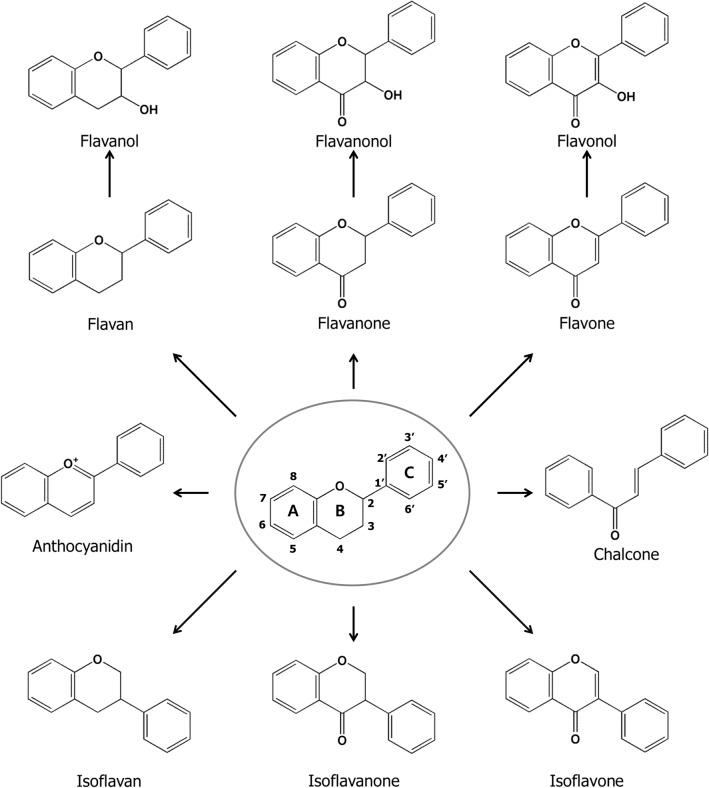
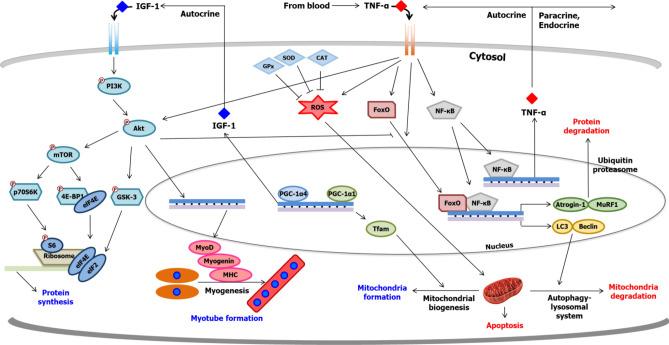
Skeletal muscle plays a vital role in the conversion of chemical energy into physical force. Muscle atrophy, characterized by a reduction in muscle mass, is a symptom of chronic disease (cachexia), aging (sarcopenia), and muscle disuse (inactivity). To date, several trials have been conducted to prevent and inhibit muscle atrophy development; however, few interventions are currently available for muscle atrophy. Recently, food ingredients, plant extracts, and phytochemicals have received attention as treatment sources to prevent muscle wasting. Flavonoids are bioactive polyphenol compounds found in foods and plants. They possess diverse biological activities, including anti-obesity, anti-diabetes, anti-cancer, anti-oxidation, and anti-inflammation. The effects of flavonoids on muscle atrophy have been investigated by monitoring molecular mechanisms involved in protein turnover, mitochondrial activity, and myogenesis. This review summarizes the reported effects of flavonoids on sarcopenia, cachexia, and disuse muscle atrophy, thus, providing an insight into the understanding of the associated molecular mechanisms.
骨骼肌在将化学能转化为物理力的过程中起着至关重要的作用。肌肉萎缩的特征是肌肉质量减少,是慢性疾病(恶病质)、衰老(肌肉减少症)和肌肉废用(不活动)的症状。迄今为止,已经进行了多项试验来预防和抑制肌肉萎缩的发展;然而,目前针对肌肉萎缩的干预措施很少。最近,食品成分、植物提取物和植物化学物质作为预防肌肉萎缩的治疗来源受到了关注。黄酮类化合物是在食物和植物中发现的具有生物活性的多酚化合物。它们具有多种生物活性,包括抗肥胖、抗糖尿病、抗癌、抗氧化和抗炎。通过监测参与蛋白质周转、线粒体活性和肌生成的分子机制,研究了黄酮类化合物对肌肉萎缩的影响。本综述总结了黄酮类化合物对肌肉减少症、恶病质和废用性肌肉萎缩的报道作用,从而为理解相关分子机制提供了见解。
 Zotero 插件