
IPSE,一种源自泌尿生殖寄生虫的免疫调节分子,抑制了细菌尿路感染中的膀胱发病机制和抗微生物肽基因表达。
IPSE, a urogenital parasite-derived immunomodulatory molecule, suppresses bladder pathogenesis and anti-microbial peptide gene expression in bacterial urinary tract infection.
机构信息
Division of Urology, Department of Surgery, Children's National Hospital, West Wing, 4th Floor, 111 Michigan Avenue NW, Washington, DC, 20010, USA.
National Institutes of Health, Bethesda, MD, USA.
出版信息
Parasit Vectors. 2020 Dec 9;13(1):615. doi: 10.1186/s13071-020-04490-8.
BACKGROUND
Parasitic infections can increase susceptibility to bacterial co-infections. This may be true for urogenital schistosomiasis and bacterial urinary tract co-infections (UTI). We previously reported that this co-infection is facilitated by S. haematobium eggs triggering interleukin-4 (IL-4) production and sought to dissect the underlying mechanisms. The interleukin-4-inducing principle from Schistosoma mansoni eggs (IPSE) is one of the most abundant schistosome egg-secreted proteins and binds to IgE on the surface of basophils and mast cells to trigger IL-4 release. IPSE can also translocate into host nuclei using a nuclear localization sequence (NLS) to modulate host transcription. We hypothesized that IPSE is the factor responsible for the ability of S. haematobium eggs to worsen UTI pathogenesis.
METHODS
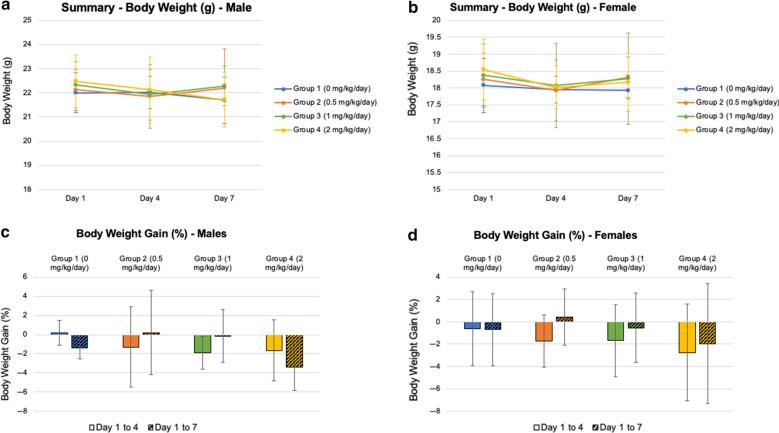
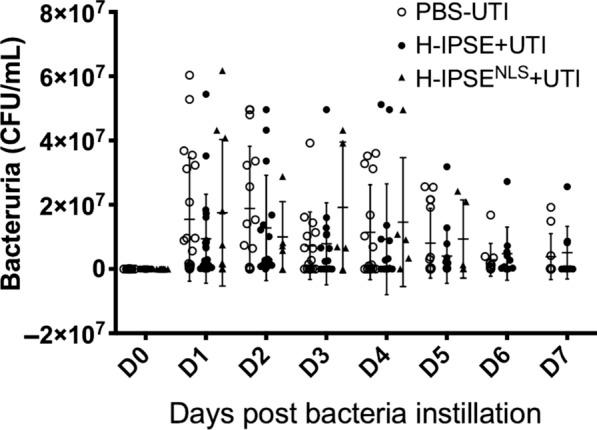
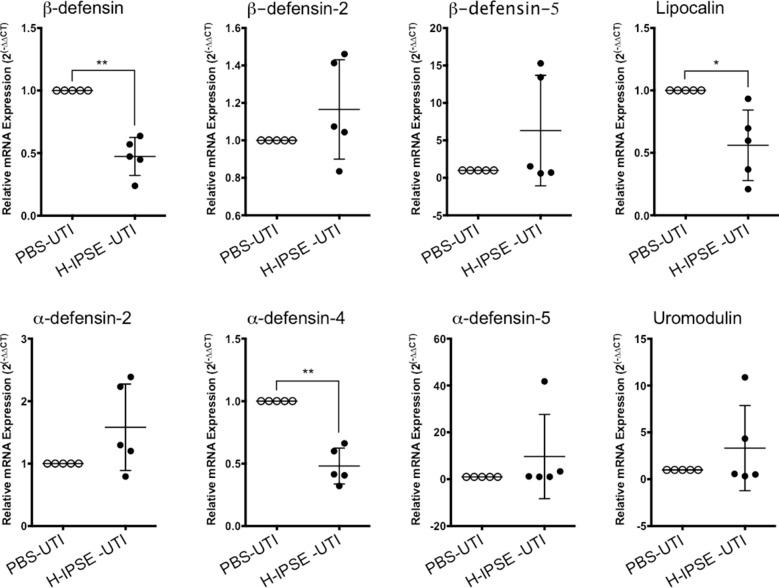
Mice were intravenously administered a single 25 μg dose of recombinant S. haematobium-derived IPSE, an NLS mutant of IPSE or PBS. Following IPSE exposure, mice were serially weighed and organs analyzed by histology to assess for toxicity. Twenty-four hours after IPSE administration, mice were challenged with the uropathogenic E. coli strain UTI89 by urethral catheterization. Bacterial CFU were measured using urine. Bladders were examined histologically for UTI-triggered pathogenesis and by PCR for antimicrobial peptide and pattern recognition receptor expression.
RESULTS
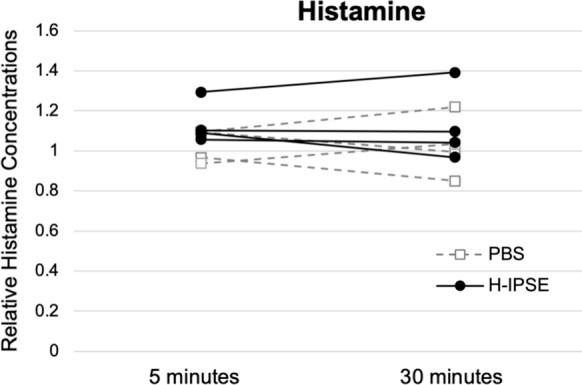
Unexpectedly, IPSE administration did not result in significant differences in urine bacterial CFU. However, IPSE administration did lead to a significant reduction in UTI-induced bladder pathogenesis and the expression of anti-microbial peptides in the bladder. Despite the profound effect of IPSE on UTI-triggered bladder pathogenesis and anti-microbial peptide production, mice did not demonstrate systemic ill effects from IPSE exposure.
CONCLUSIONS
Our data show that IPSE may play a major role in S. haematobium-associated urinary tract co-infection, albeit in an unexpected fashion. These findings also indicate that IPSE either works in concert with other IL-4-inducing factors to increase susceptibility of S. haematobium-infected hosts to bacterial co-infection or does not contribute to enhancing vulnerability to this co-infection.
背景
寄生虫感染会增加细菌合并感染的易感性。这对于尿路血吸虫病和细菌尿路感染(UTI)可能是正确的。我们之前报道过,这种合并感染是由血吸虫卵触发白细胞介素 4(IL-4)的产生而促进的,并试图剖析其潜在机制。曼氏血吸虫卵诱导白细胞介素 4 的原理(IPSE)是最丰富的血吸虫卵分泌蛋白之一,它与嗜碱性粒细胞和肥大细胞表面的 IgE 结合,触发 IL-4 释放。IPSE 还可以使用核定位序列(NLS)转移到宿主核内,从而调节宿主转录。我们假设 IPSE 是导致血吸虫卵加重 UTI 发病机制的因素。
方法
小鼠静脉注射单次 25μg 剂量的重组血吸虫卵衍生的 IPSE、IPSE 的 NLS 突变体或 PBS。暴露于 IPSE 后,连续称重并通过组织学分析器官以评估毒性。IPSE 给药后 24 小时,通过尿道导尿管将尿路致病性大肠杆菌 UTI89 菌株接种到小鼠中。通过尿液测量细菌 CFU。通过组织学检查膀胱以评估 UTI 引发的发病机制,并通过 PCR 检测抗菌肽和模式识别受体的表达。
结果
出乎意料的是,IPSE 给药并未导致尿液细菌 CFU 显著差异。然而,IPSE 给药确实导致 UTI 引发的膀胱发病机制和膀胱中抗菌肽的表达显著减少。尽管 IPSE 对 UTI 引发的膀胱发病机制和抗菌肽产生有深远的影响,但小鼠并未从 IPSE 暴露中表现出全身不适的影响。
结论
我们的数据表明,IPSE 可能在血吸虫病相关尿路合并感染中起主要作用,尽管是以一种意外的方式。这些发现还表明,IPSE 要么与其他诱导 IL-4 的因子协同作用,增加感染血吸虫的宿主对细菌合并感染的易感性,要么不促进对这种合并感染的易感性。

 Zotero 插件