
基于分离大豆蛋白/黄芪胶/介孔二氧化硅纳米颗粒/番茄红素的生物水凝胶对乌尔米耶湖沉积物中亚硝酸盐的特异性去除
Specific Removal of Nitrite from Lake Urmia Sediments by Biohydrogel Based on Isolated Soy Protein/Tragacanth/Mesoporous Silica Nanoparticles/Lycopene.
作者信息
Asadzadeh Farrokh, Pirsa Sajad
机构信息
Department of Soil Science Faculty of Agriculture Urmia University Urmia 5756151818 Iran.
Department of Sediment Processing Lake Urmia Research Institute Urmia University Urmia 5756151818 Iran.
出版信息
Glob Chall. 2020 Sep 30;4(12):2000061. doi: 10.1002/gch2.202000061. eCollection 2020 Dec.
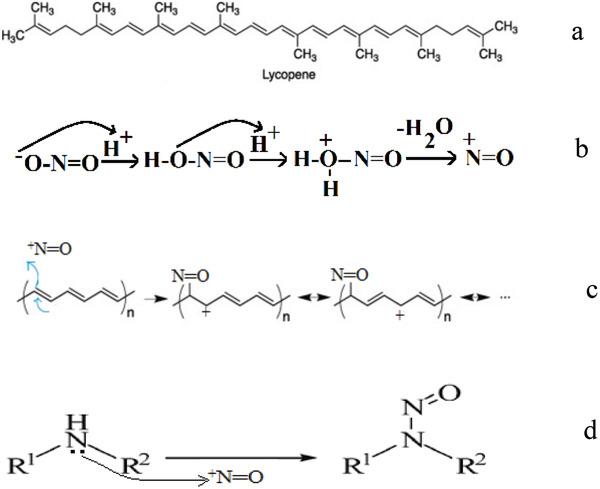
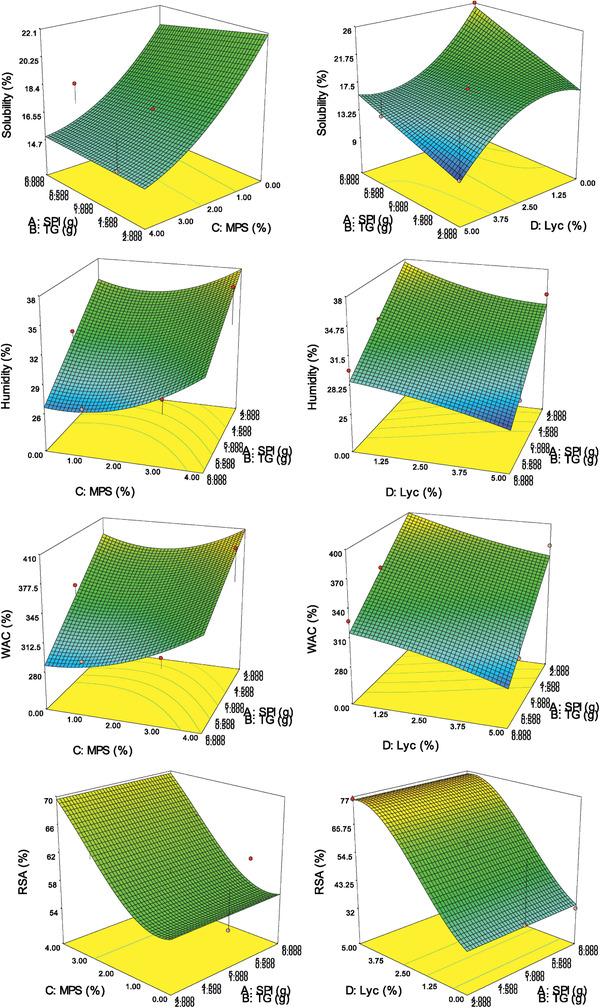
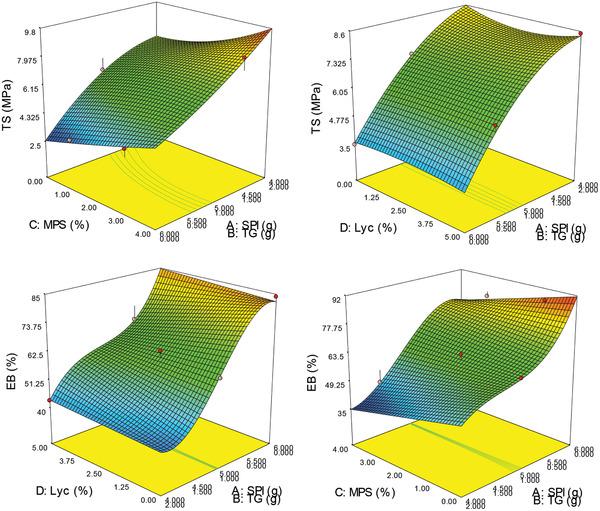
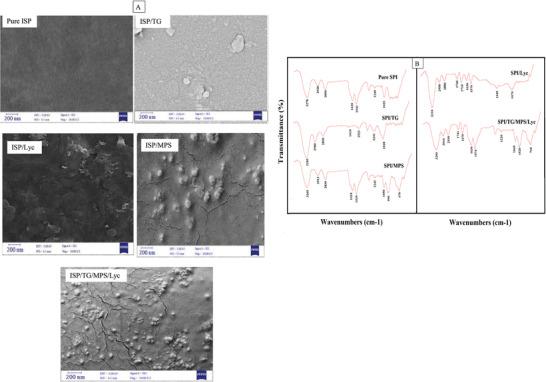
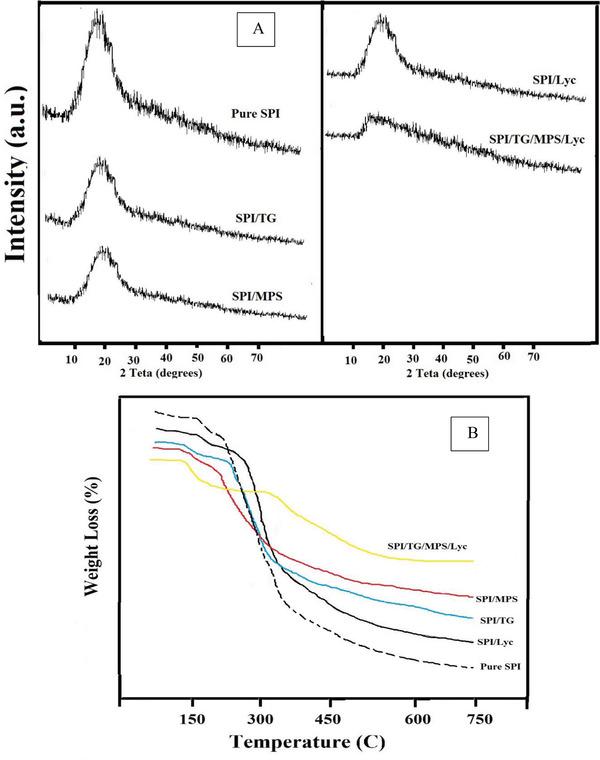
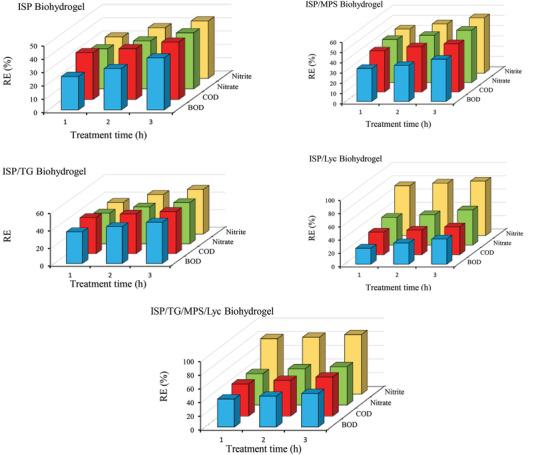
In this study, a biodegradable biohydrogel based on isolated soy protein/tragacanth containing mesoporous silica nanoparticles and lycopene pigment (ISP/TG/MPS/Lyc) is prepared. The physicochemical characteristics and structure of the biohydrogel are investigated by scanning electron microscopy, Fourier-transform infrared spectroscopy (FTIR), X-ray diffraction, and thermal gravimetry analysis (TGA) techniques. Mechanical properties (tensile strength and elongation at break point), antioxidant activity, water solubility, water absorption capacity (WAC), and the humidity content of the biohydrogels are studied. Five optimal biohydrogels including pure ISP, ISP/TG, ISP/MPS, ISP/Lyc, and ISP/TG/MPS/Lyc are used for chemical treatment of Lake Urmia sediments. For this purpose, biochemical oxygen demand (BOD), chemical oxygen demand (COD), nitrate, and nitrite of sediments are examined before and after treatment with biohydrogels. According to the FTIR results, there is only physical interaction between lycopene and isolated soy protein. According to the TGA results, adding silica mesoporous to biohydrogel increases its thermal stability. Tragacanth gum and lycopene pigment reduce water solubility and increase the WAC of biohydrogel. The biohydrogel significantly reduces the BOD and COD of the sediments. The biohydrogel reduces nitrite content up to 90%, while reducing nitrate content by almost 30%. The results show that the biohydrogel containing lycopene selectively purifies nitrite from the sediment solution of Lake Urmia.
在本研究中,制备了一种基于分离大豆蛋白/黄芪胶的可生物降解生物水凝胶,其含有介孔二氧化硅纳米颗粒和番茄红素色素(ISP/TG/MPS/Lyc)。通过扫描电子显微镜、傅里叶变换红外光谱(FTIR)、X射线衍射和热重分析(TGA)技术研究了生物水凝胶的物理化学特性和结构。研究了生物水凝胶的力学性能(拉伸强度和断裂伸长率)、抗氧化活性、水溶性、吸水能力(WAC)和湿度含量。使用五种最佳生物水凝胶,包括纯ISP、ISP/TG、ISP/MPS、ISP/Lyc和ISP/TG/MPS/Lyc,对乌尔米耶湖沉积物进行化学处理。为此,在生物水凝胶处理前后检查沉积物的生化需氧量(BOD)、化学需氧量(COD)、硝酸盐和亚硝酸盐。根据FTIR结果,番茄红素与分离大豆蛋白之间仅存在物理相互作用。根据TGA结果,向生物水凝胶中添加介孔二氧化硅可提高其热稳定性。黄芪胶和番茄红素色素降低了生物水凝胶的水溶性并提高了其WAC。生物水凝胶显著降低了沉积物的BOD和COD。生物水凝胶将亚硝酸盐含量降低了90%,同时将硝酸盐含量降低了近30%。结果表明,含番茄红素的生物水凝胶可从乌尔米耶湖沉积物溶液中选择性地净化亚硝酸盐。

 Zotero 插件