
食品生物活性化合物及其提取新技术:以多酚为例的研究
Food Bioactive Compounds and Emerging Techniques for Their Extraction: Polyphenols as a Case Study.
作者信息
Câmara José S, Albuquerque Bianca R, Aguiar Joselin, Corrêa Rúbia C G, Gonçalves João L, Granato Daniel, Pereira Jorge A M, Barros Lillian, Ferreira Isabel C F R
机构信息
CQM-Centro de Química da Madeira, Campus Universitário da Penteada, Universidade da Madeira, 9020-105 Funchal, Portugal.
Departamento de Química, Faculdade de Ciências Exatas e da Engenharia da Universidade da Madeira, Campus Universitário da Penteada, 9020-105 Funchal, Portugal.
出版信息
Foods. 2020 Dec 24;10(1):37. doi: 10.3390/foods10010037.
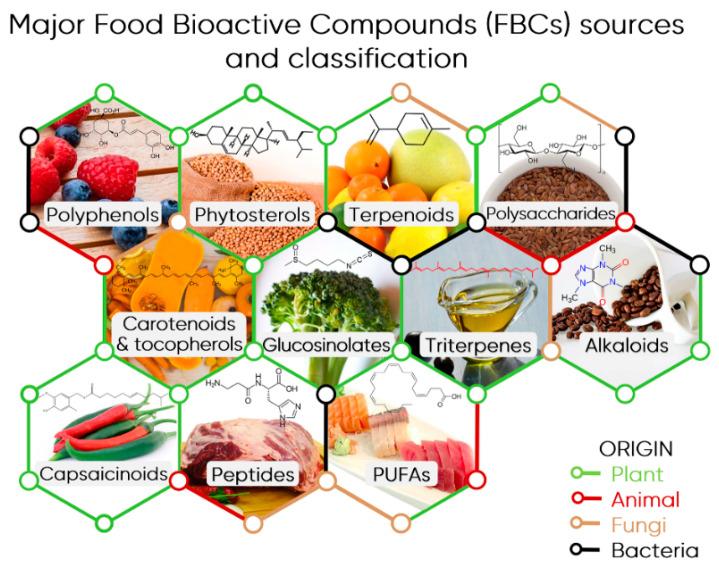
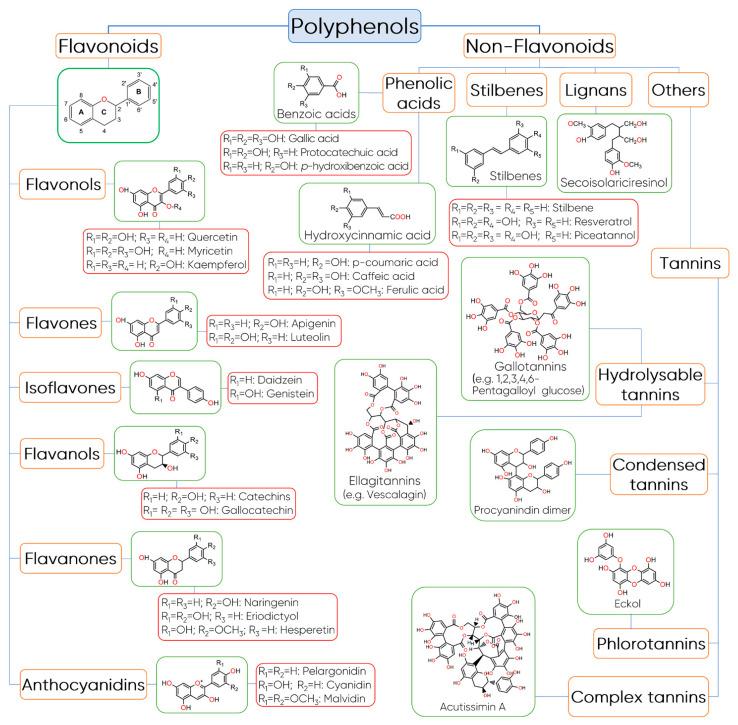
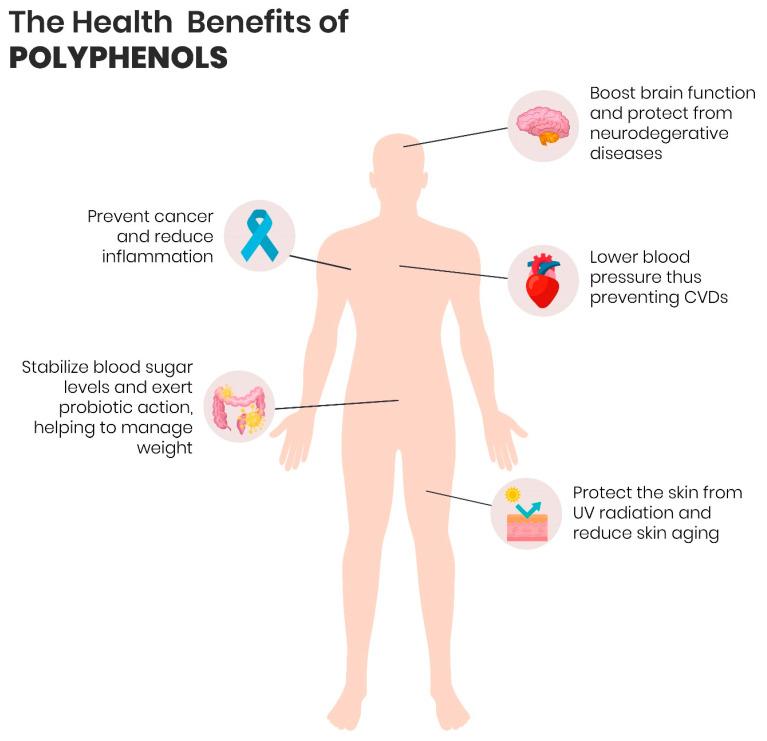
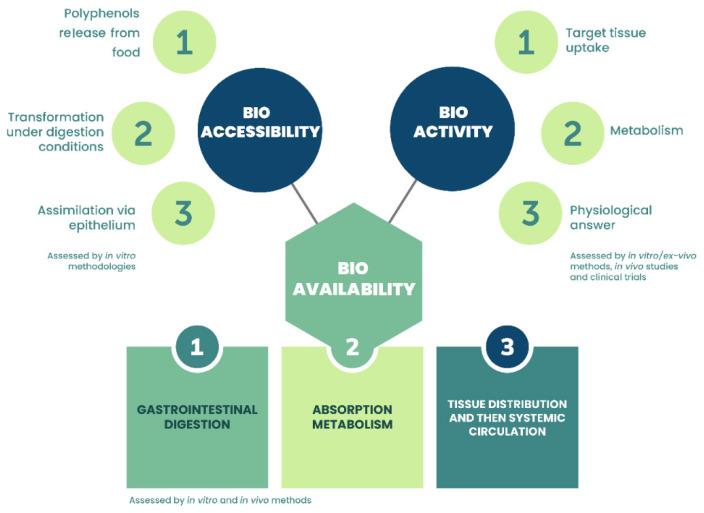
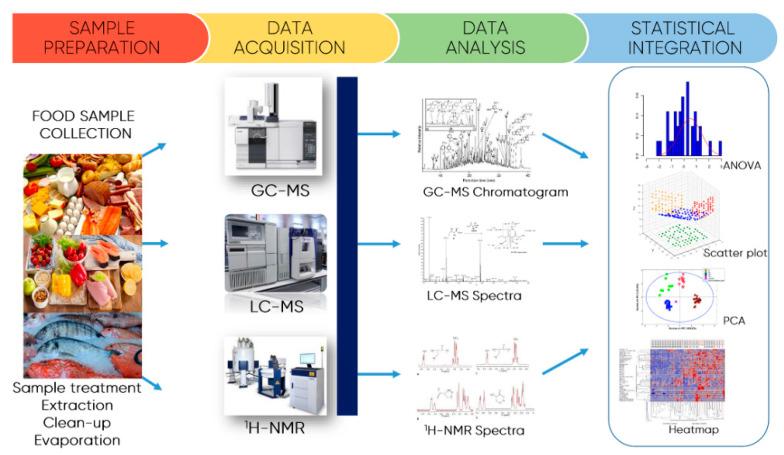
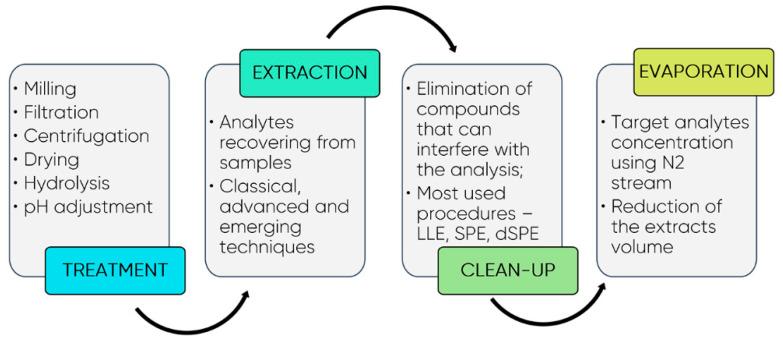
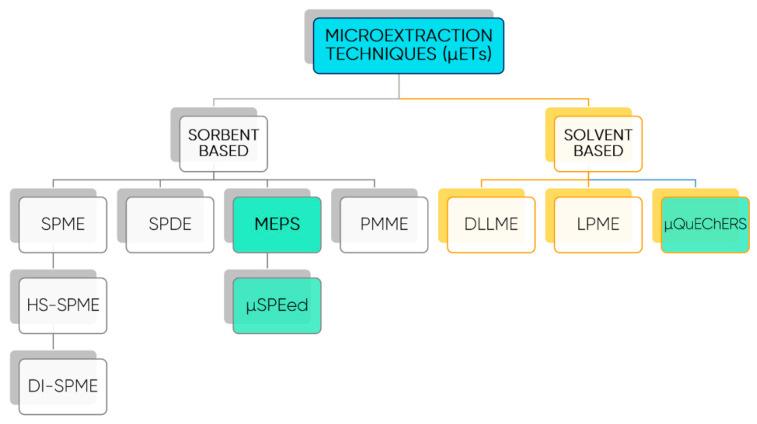
Experimental studies have provided convincing evidence that food bioactive compounds (FBCs) have a positive biological impact on human health, exerting protective effects against non-communicable diseases (NCD) including cancer and cardiovascular (CVDs), metabolic, and neurodegenerative disorders (NDDs). These benefits have been associated with the presence of secondary metabolites, namely polyphenols, glucosinolates, carotenoids, terpenoids, alkaloids, saponins, vitamins, and fibres, among others, derived from their antioxidant, antiatherogenic, anti-inflammatory, antimicrobial, antithrombotic, cardioprotective, and vasodilator properties. Polyphenols as one of the most abundant classes of bioactive compounds present in plant-based foods emerge as a promising approach for the development of efficacious preventive agents against NCDs with reduced side effects. The aim of this review is to present comprehensive and deep insights into the potential of polyphenols, from their chemical structure classification and biosynthesis to preventive effects on NCDs, namely cancer, CVDs, and NDDS. The challenge of polyphenols bioavailability and bioaccessibility will be explored in addition to useful industrial and environmental applications. Advanced and emerging extraction techniques will be highlighted and the high-resolution analytical techniques used for FBCs characterization, identification, and quantification will be considered.
实验研究提供了令人信服的证据,表明食物生物活性化合物(FBCs)对人类健康具有积极的生物学影响,对包括癌症、心血管疾病(CVDs)、代谢性疾病和神经退行性疾病(NDDs)在内的非传染性疾病(NCD)具有保护作用。这些益处与次生代谢产物的存在有关,次生代谢产物包括多酚、硫代葡萄糖苷、类胡萝卜素、萜类化合物、生物碱、皂苷、维生素和纤维等,它们具有抗氧化、抗动脉粥样硬化、抗炎、抗菌、抗血栓形成、心脏保护和血管舒张特性。多酚是植物性食物中最丰富的一类生物活性化合物之一,是开发副作用较小的有效预防NCDs药物的一种有前景的方法。本综述的目的是深入全面地探讨多酚的潜力,从其化学结构分类、生物合成到对NCDs(即癌症、CVDs和NDDs)的预防作用。除了有用的工业和环境应用外,并将探讨多酚生物利用度和生物可及性的挑战。将重点介绍先进和新兴的提取技术,并考虑用于FBCs表征、鉴定和定量的高分辨率分析技术。



 Zotero 插件