
利用化学信息学和机器学习探索严重急性呼吸综合征冠状病毒2(SARS-CoV-2)潜在小分子抑制剂的可用化学空间。
Exploiting cheminformatic and machine learning to navigate the available chemical space of potential small molecule inhibitors of SARS-CoV-2.
作者信息
Kumar Abhinit, Loharch Saurabh, Kumar Sunil, Ringe Rajesh P, Parkesh Raman
机构信息
GNRPC, CSIR - Institute of Microbial Technology, Chandigarh - 160036, India.
Academy of Scientific and Innovation Research (AcSIR), Ghaziabad - 201002, India.
出版信息
Comput Struct Biotechnol J. 2021;19:424-438. doi: 10.1016/j.csbj.2020.12.028. Epub 2020 Dec 29.
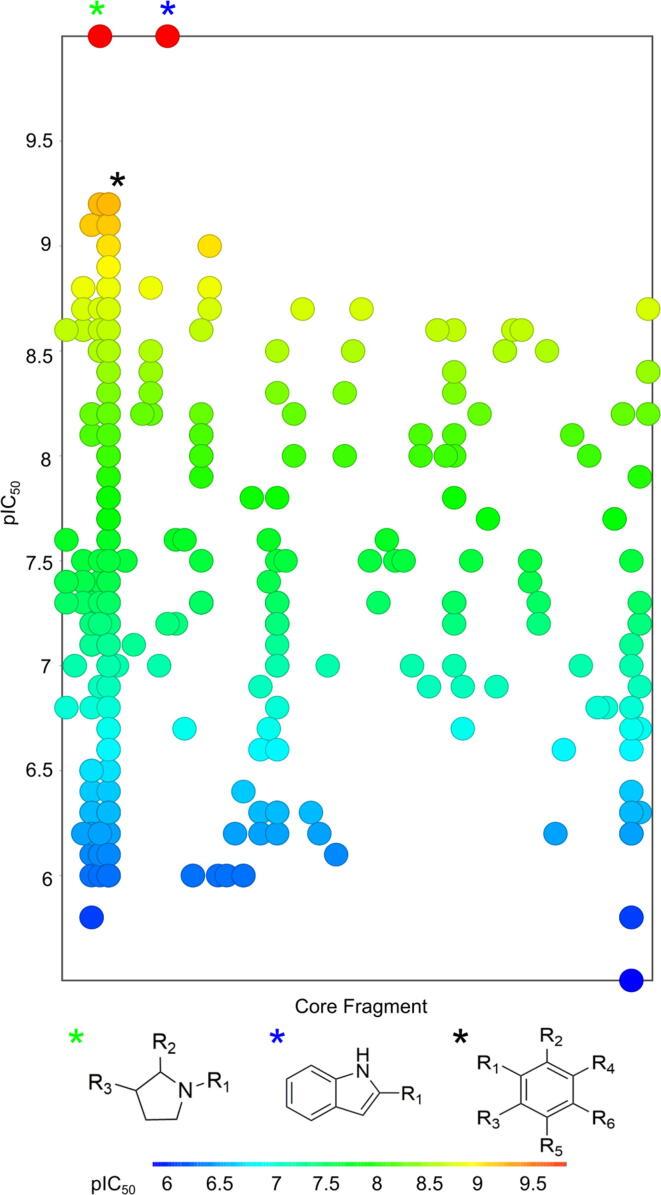
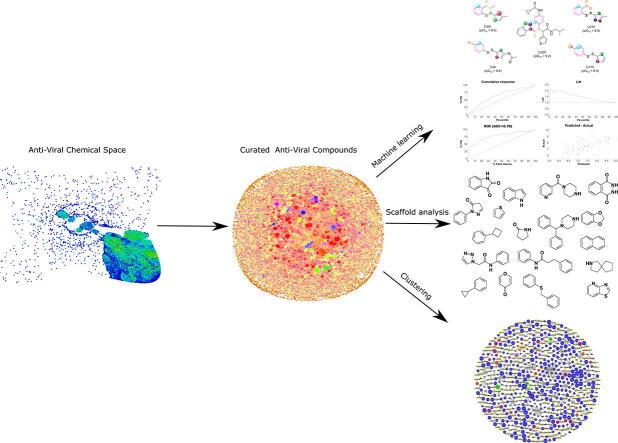
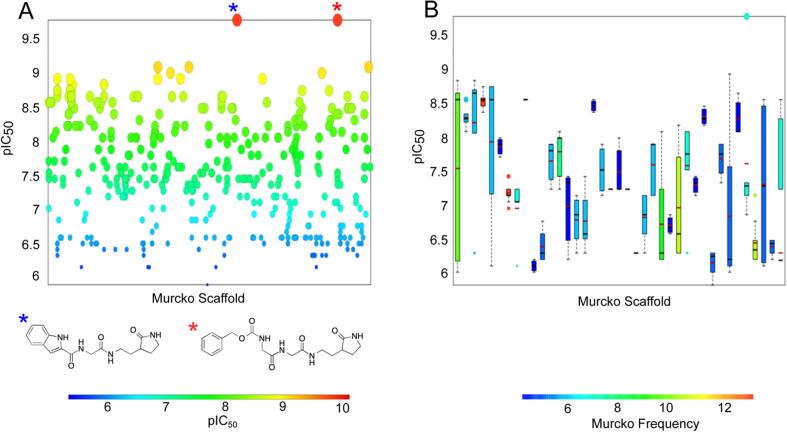
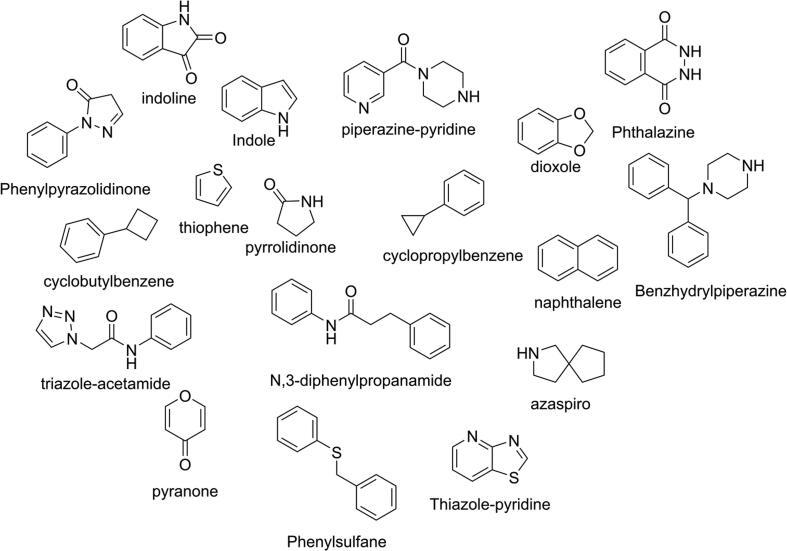
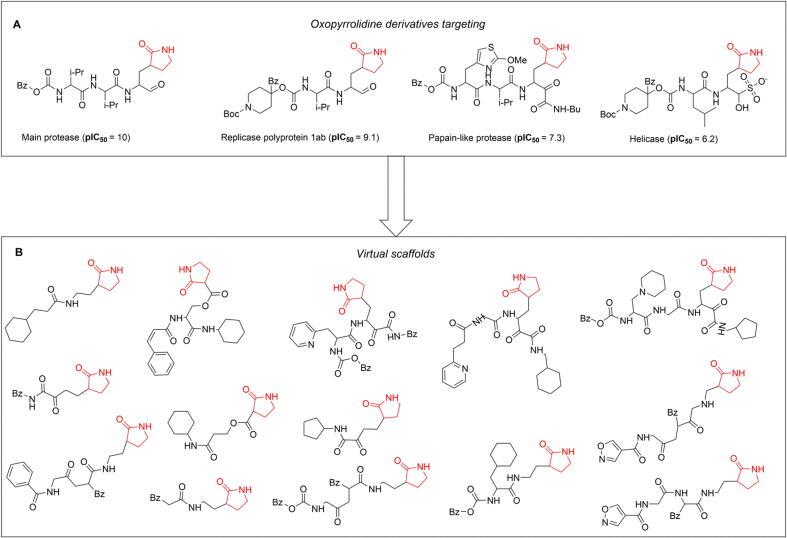
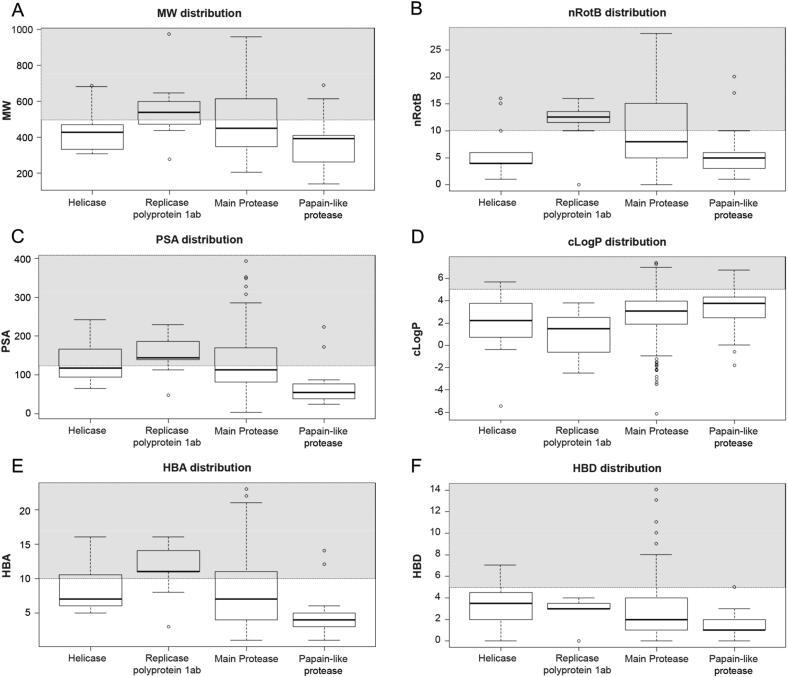
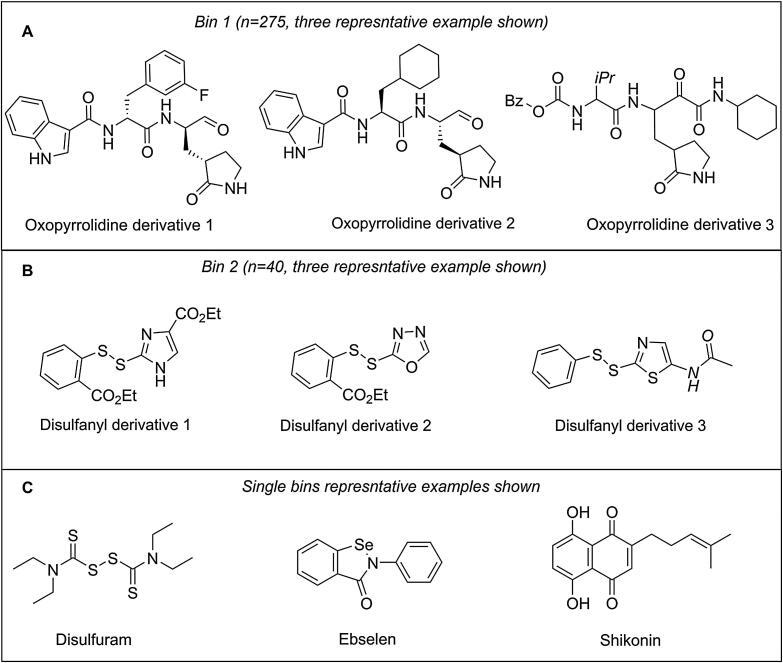
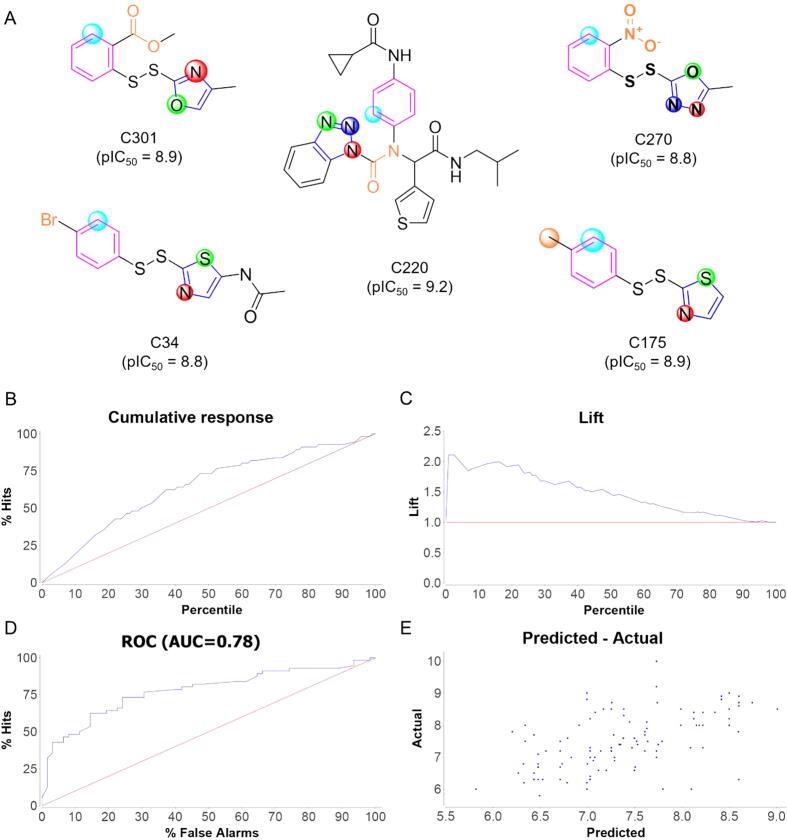
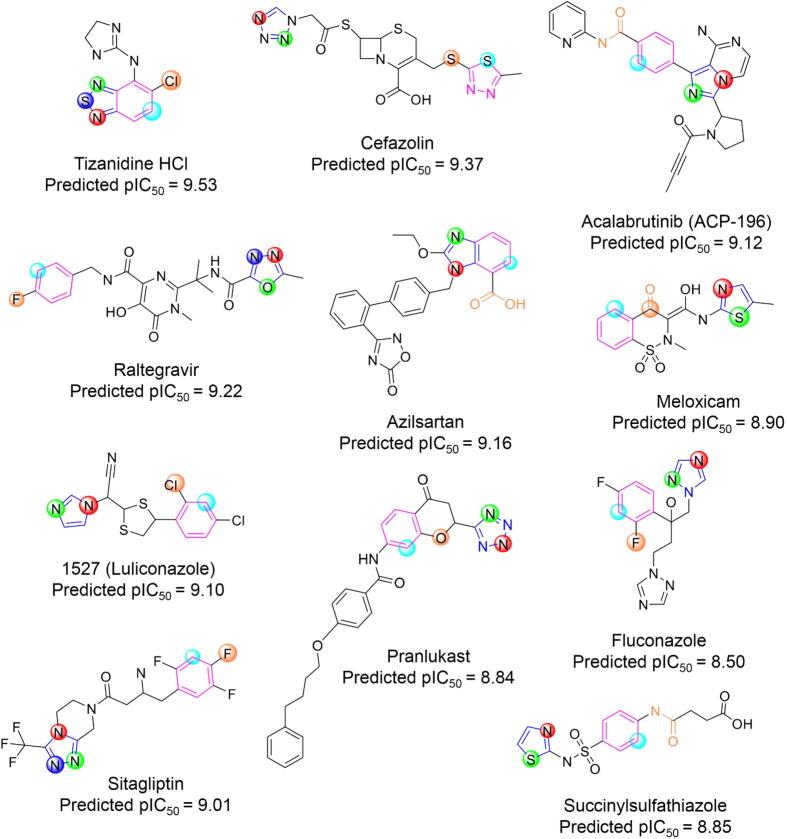
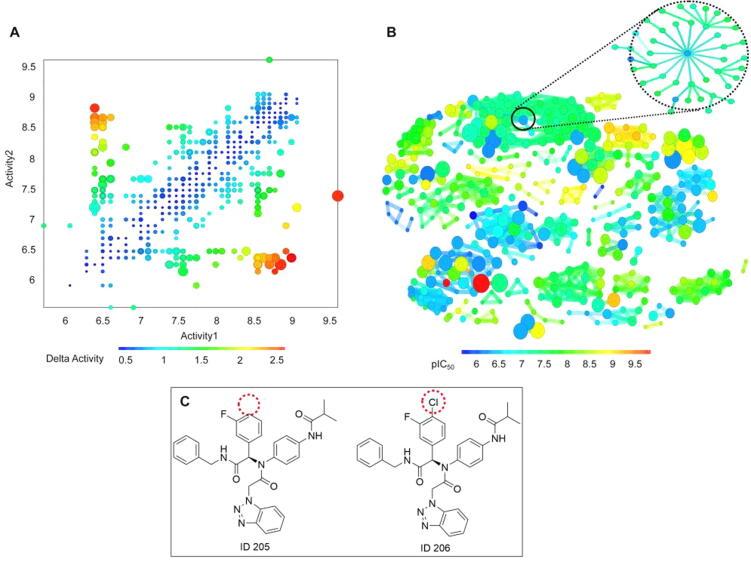
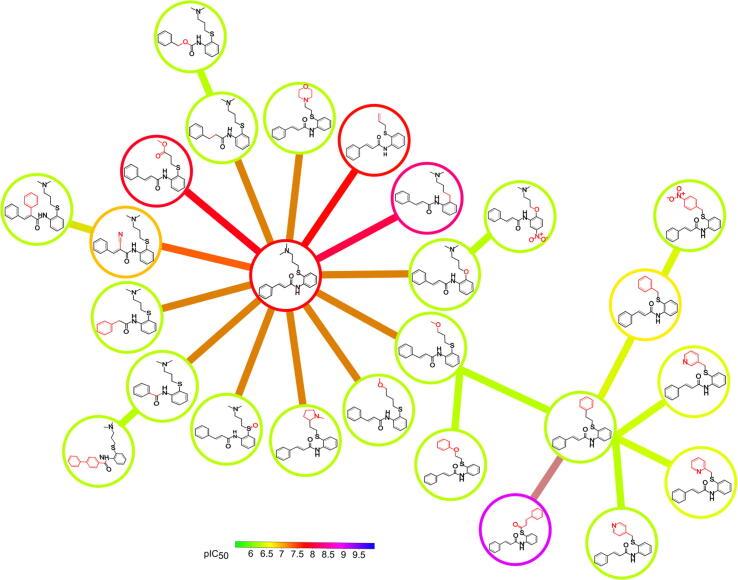
The current life-threatening and tenacious pandemic eruption of coronavirus disease in 2019 (COVID-19) has posed a significant global hazard concerning high mortality rate, economic meltdown, and everyday life distress. The rapid spread of COVID-19 demands countermeasures to combat this deadly virus. Currently, there are no drugs approved by the FDA to treat COVID-19. Therefore, discovering small molecule therapeutics for treating COVID-19 infection is essential. So far, only a few small molecule inhibitors are reported for coronaviruses. There is a need to expand the small chemical space of coronaviruses inhibitors by adding potent and selective scaffolds with anti-COVID activity. In this context, the huge antiviral chemical space already available can be analysed using cheminformatic and machine learning to unearth new scaffolds. We created three specific datasets called "antiviral dataset" (N = 38,428) "drug-like antiviral dataset" (N = 20,963) and "anticorona dataset" (N = 433) for this purpose. We analyzed the 433 molecules of "anticorona dataset" for their scaffold diversity, physicochemical distributions, principal component analysis, activity cliffs, R-group decomposition, and scaffold mapping. The scaffold diversity of the "anticorona dataset" in terms of Murcko scaffold analysis demonstrates a thorough representation of diverse chemical scaffolds. However, physicochemical descriptor analysis and principal component analysis demonstrated negligible drug-like features for the "anticorona dataset" molecules. The "antiviral dataset" and "drug-like antiviral dataset" showed low scaffold diversity as measured by the Gini coefficient. The hierarchical clustering of the "antiviral dataset" against the "anticorona dataset" demonstrated little molecular similarity. We generated a library of frequent fragments and polypharmacological ligands targeting various essential viral proteins such as main protease, helicase, papain-like protease, and replicase polyprotein 1ab. Further structural and chemical features of the "anticorona dataset" were compared with SARS-CoV-2 repurposed drugs, FDA-approved drugs, natural products, and drugs currently in clinical trials. Using machine learning tool DCA (DMax Chemistry Assistant), we converted the "anticorona dataset" into an elegant hypothesis with significant functional biological relevance. Machine learning analysis uncovered that FDA approved drugs, Tizanidine HCl, Cefazolin, Raltegravir, Azilsartan, Acalabrutinib, Luliconazole, Sitagliptin, Meloxicam (Mobic), Succinyl sulfathiazole, Fluconazole, and Pranlukast could be repurposed as effective drugs for COVID-19. Fragment-based scaffold analysis and R-group decomposition uncovered pyrrolidine and the indole molecular scaffolds as the potent fragments for designing and synthesizing the novel drug-like molecules for targeting SARS-CoV-2. This comprehensive and systematic assessment of small-molecule viral therapeutics' entire chemical space realised critical insights to potentially privileged scaffolds that could aid in enrichment and rapid discovery of efficacious antiviral drugs for COVID-19.
2019年新型冠状病毒病(COVID-19)当前危及生命且顽固的大流行爆发,在高死亡率、经济崩溃和日常生活困扰方面构成了重大的全球危害。COVID-19的迅速传播需要采取对策来对抗这种致命病毒。目前,美国食品药品监督管理局(FDA)尚未批准用于治疗COVID-19的药物。因此,发现用于治疗COVID-19感染的小分子疗法至关重要。到目前为止,仅报道了几种针对冠状病毒的小分子抑制剂。需要通过添加具有抗COVID活性的强效和选择性支架来扩大冠状病毒抑制剂的小化学空间。在这种情况下,可以使用化学信息学和机器学习来分析已经存在的巨大抗病毒化学空间,以挖掘新的支架。为此,我们创建了三个特定的数据集,分别称为“抗病毒数据集”(N = 38,428)、“类药抗病毒数据集”(N = 20,963)和“抗冠状病毒数据集”(N = 433)。我们分析了“抗冠状病毒数据集”中的433个分子的支架多样性、物理化学分布、主成分分析、活性悬崖、R基团分解和支架映射。就Murcko支架分析而言,“抗冠状病毒数据集”的支架多样性证明了多种化学支架的全面代表性。然而,物理化学描述符分析和主成分分析表明,“抗冠状病毒数据集”分子的类药特征可忽略不计。通过基尼系数测量,“抗病毒数据集”和“类药抗病毒数据集”显示出较低的支架多样性。“抗病毒数据集”与“抗冠状病毒数据集”的层次聚类显示出很少的分子相似性。我们生成了一个针对各种必需病毒蛋白(如主要蛋白酶、解旋酶、木瓜样蛋白酶和复制酶多蛋白1ab)的常见片段和多药理学配体库。将“抗冠状病毒数据集”的进一步结构和化学特征与SARS-CoV-2重新利用的药物、FDA批准的药物、天然产物和目前正在临床试验中的药物进行了比较。使用机器学习工具DCA(DMax化学助手),我们将“抗冠状病毒数据集”转化为一个具有重要功能生物学相关性的精妙假设。机器学习分析发现,FDA批准的药物盐酸替扎尼定、头孢唑林、拉替拉韦、阿齐沙坦、阿卡拉布替尼、卢立康唑、西他列汀、美洛昔康(莫比可)、琥珀酰磺胺噻唑、氟康唑和普仑司特可重新用作治疗COVID-19的有效药物。基于片段的支架分析和R基团分解发现吡咯烷和吲哚分子支架是设计和合成用于靶向SARS-CoV-2的新型类药分子的有效片段。对小分子病毒疗法的整个化学空间进行的这种全面而系统的评估,为潜在的特权支架实现了关键见解,这有助于富集和快速发现用于COVID-19的有效抗病毒药物。


 Zotero 插件