
对尿液样本中分离的细菌的抗菌药物敏感性模式和广谱β-内酰胺酶(ESBL)流行情况进行综合研究。
Comprehensive study of antimicrobial susceptibility pattern and extended spectrum beta-lactamase (ESBL) prevalence in bacteria isolated from urine samples.
机构信息
Department of Medical Laboratory Sciences, Faculty of Allied Medicine, Iran University of Medical Sciences, Tehran, Iran.
Department of Health Information Management, School of Para Medicine, Ahvaz Jundishapur University of Medical Sciences, Ahvaz, Iran.
出版信息
Sci Rep. 2021 Jan 12;11(1):578. doi: 10.1038/s41598-020-79791-0.
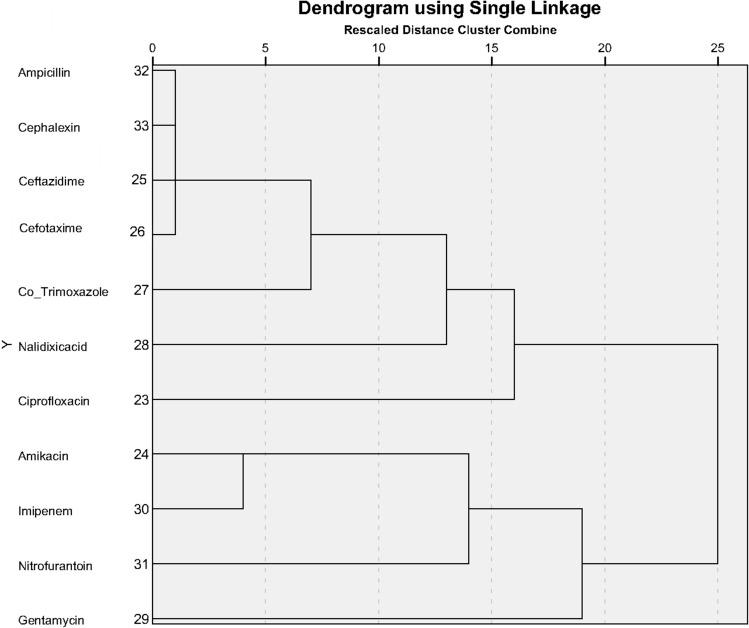
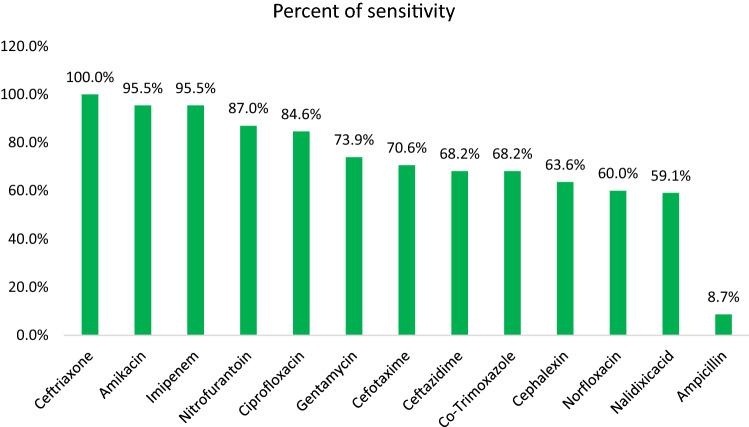
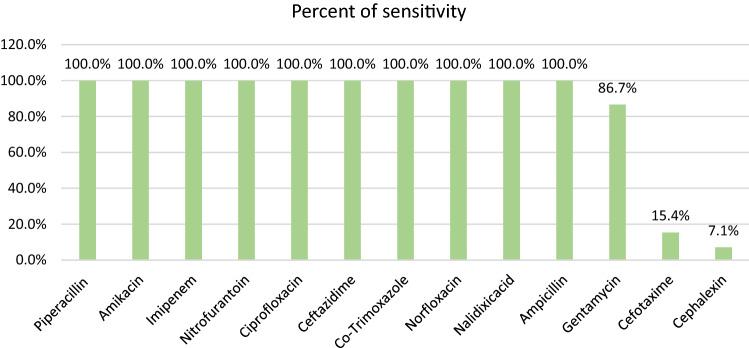
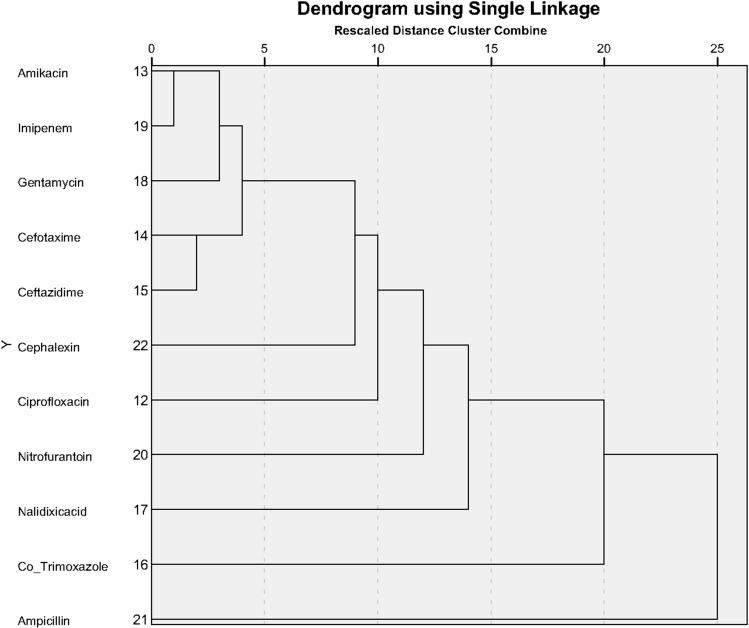
Nowadays, increasing extended-spectrum β-lactamase (ESBL)-producing bacteria have become a global concern because of inducing resistance toward most of the antimicrobial classes and making the treatment difficult. In order to achieve an appropriate treatment option, identification of the prevalent species which generate ESBL as well as their antibiotic susceptibility pattern is essential worldwide. Hence, this study aimed to investigate the prevalence of ESBL-producing bacteria and assess their drug susceptibility in Fardis Town, Iran. A total of 21,604 urine samples collected from patients suspected to have urinary tract infection (UTI) were processed in the current study. The antimicrobial susceptibility of the isolates was tested by the disk diffusion method. The ESBL producing bacteria were determined by Double Disc Synergy Test (DDST) procedure. Bacterial growth was detected in 1408 (6.52%) cases. The most common bacterial strains causing UTI were found E. coli (72.16%), followed by K. pneumoniae (10.3%) and S. agalactiae (5.7%). Overall, 398 (28.26%) were ESBL producer. The highest ESBL production was observed in E. coli, followed by Klebsiella species. ESBL producers revealed a higher level of antibiotic resistance compared with non-ESBLs. In conclusion, ESBL production in uropathogens was relatively high. Carbapenems and Aminoglycosides were confirmed as the most effective treatment options for these bacteria.
如今,越来越多的产生扩展谱β-内酰胺酶(ESBL)的细菌成为了全球关注的问题,因为它们对大多数抗菌药物类别产生了耐药性,使得治疗变得困难。为了实现适当的治疗选择,在全球范围内,识别产生 ESBL 的流行物种及其抗生素敏感性模式至关重要。因此,本研究旨在调查伊朗法尔迪斯镇产生 ESBL 的细菌的流行情况,并评估它们的药物敏感性。本研究共处理了来自疑似患有尿路感染(UTI)的患者的 21604 份尿样。采用纸片扩散法检测分离株的抗生素敏感性。通过双碟协同试验(DDST)程序确定产生 ESBL 的细菌。在 1408 例(6.52%)病例中检测到细菌生长。引起 UTI 的最常见细菌菌株是大肠埃希菌(72.16%),其次是肺炎克雷伯菌(10.3%)和无乳链球菌(5.7%)。总体而言,有 398 株(28.26%)是 ESBL 产生菌。大肠埃希菌中 ESBL 的产生最高,其次是克雷伯菌属。与非 ESBL 相比,ESBL 产生菌显示出更高水平的抗生素耐药性。总之,尿病原体中 ESBL 的产生率相对较高。碳青霉烯类和氨基糖苷类被证实是这些细菌的最有效治疗选择。


 Zotero 插件