
中国 6 年间血流感染 ST2 型鲍曼不动杆菌的危险因素、抗生素治疗方案和毒力特征。
Bloodstream infections caused by ST2 Acinetobacter baumannii: risk factors, antibiotic regimens, and virulence over 6 years period in China.
机构信息
Department of Clinical Laboratory, the First Affiliated Hospital of Wenzhou Medical University, Wenzhou, 325000, China.
School of Laboratory Medicine and Life Science, Wenzhou Medical University, Wenzhou, 325000, China.
出版信息
Antimicrob Resist Infect Control. 2021 Jan 18;10(1):16. doi: 10.1186/s13756-020-00876-6.
BACKGROUND
Bloodstream infection (BSI) caused by multidrug-resistant Acinetobacter baumannii (MDR-AB) has been increasingly observed among hospitalized patients. The following study analyzed the epidemiology and microbiological characteristics of MDR-AB, as well as the clinical features, antimicrobial treatments, and outcomes in patients over a six years period in China.
METHODS
This retrospective study was conducted in a large tertiary hospital in China between January 2013 and December 2018. The clinical and microbiological data of all consecutive hospitalized patients with MDR-AB induced bloodstream infection were included and analyzed.
RESULTS
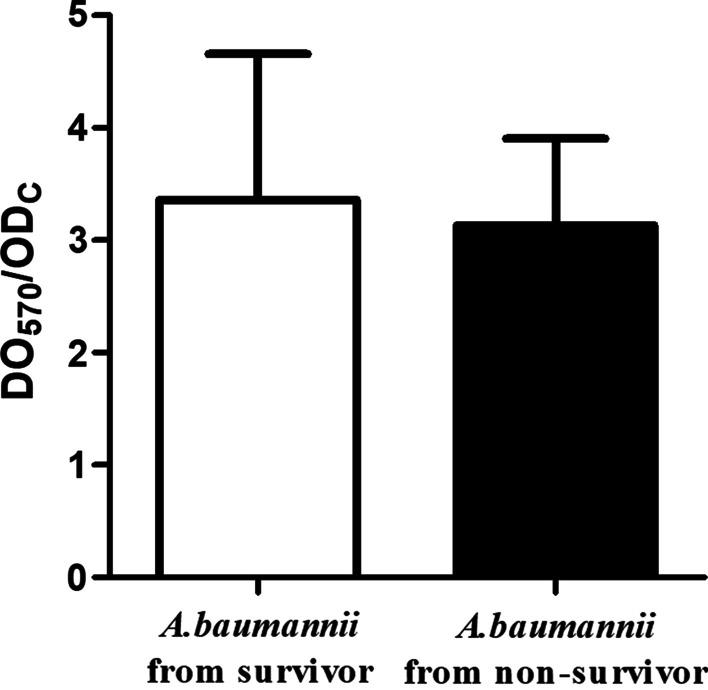
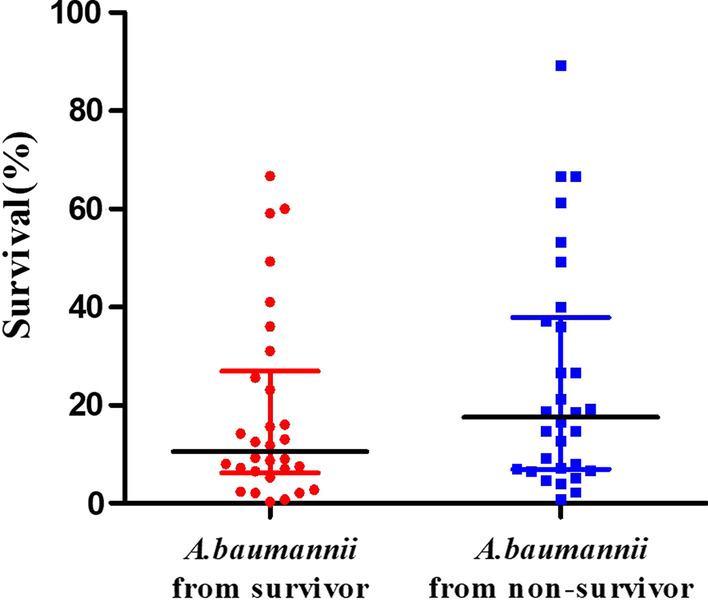
A total of 108 BSI episodes were analyzed. All MDR isolates belonged to ST2, a sequence type that has spread all over the world. Overall, ST2 strains showed strong biofilm formation ability, high serum resistance, and high pathogenicity. As for the clinical characteristics of the patient, 30-day mortality was 69.4% (75/108). The three main risk factors included mechanical ventilation, intensive care unit (ICU) stay, and thrombocytopenia; three protective factors included a change of antimicrobial regimen within 48 h after positive blood culture, use of the antibacterial agent combination, and more inpatient days. The most effective antibacterial regimen was the combination of cefoperazone/sulbactam and tigecycline.
CONCLUSIONS
BSI caused by ST2 A.baumannii represents a difficult challenge for physicians, considering the high mortality associated with this infection. The combination of cefoperazone/sulbactam and tigecycline may be an effective treatment option.
背景
耐多药鲍曼不动杆菌(MDR-AB)引起的血流感染(BSI)在住院患者中越来越常见。本研究分析了中国 6 年间 MDR-AB 的流行病学和微生物学特征,以及患者的临床特征、抗菌治疗和结局。
方法
本回顾性研究在中国的一家大型三级医院进行,纳入了 2013 年 1 月至 2018 年 12 月期间所有连续住院的 MDR-AB 引起血流感染患者的临床和微生物学数据进行分析。
结果
共分析了 108 例 BSI 发作。所有 MDR 分离株均属于 ST2,这是一种已在全球传播的序列型。总的来说,ST2 株具有很强的生物膜形成能力、高血清抗性和高致病性。就患者的临床特征而言,30 天死亡率为 69.4%(75/108)。三个主要的危险因素包括机械通气、重症监护病房(ICU)入住和血小板减少症;三个保护因素包括在血培养阳性后 48 小时内改变抗菌方案、使用抗菌药物联合治疗和更多的住院天数。最有效的抗菌治疗方案是头孢哌酮/舒巴坦和替加环素的联合治疗。
结论
ST2 型鲍曼不动杆菌引起的 BSI 对医生来说是一个严峻的挑战,考虑到这种感染的高死亡率。头孢哌酮/舒巴坦和替加环素的联合治疗可能是一种有效的治疗选择。

 Zotero 插件