
SNHG1 在肝细胞癌中的表达及基因调控网络。
Expression and gene regulatory network of SNHG1 in hepatocellular carcinoma.
机构信息
Key Laboratory of Combinatorial Biosynthesis and Drug Discovery, School of Pharmaceutical Sciences, Wuhan University, Wuhan, 430071, China.
Guangzhou Institutes of Biomedicine and Health, Chinese Academy of Sciences, 190 Kaiyuan Avenue, Guangzhou Science Park, Luogang District, Guangzhou, 510530, China.
出版信息
BMC Med Genomics. 2021 Jan 26;14(1):28. doi: 10.1186/s12920-021-00878-2.
BACKGROUND
Small nucleolar RNA host gene 1 (SNHG1), a long noncoding RNA (lncRNA), is a transcript that negatively regulates tumour suppressor genes, such as p53. Abnormal SNHG1 expression is associated with cell proliferation and cancer. We used sequencing data downloaded from Genomic Data Commons to analyse the expression and interaction networks of SNHG1 in hepatocellular carcinoma (HCC).
METHODS
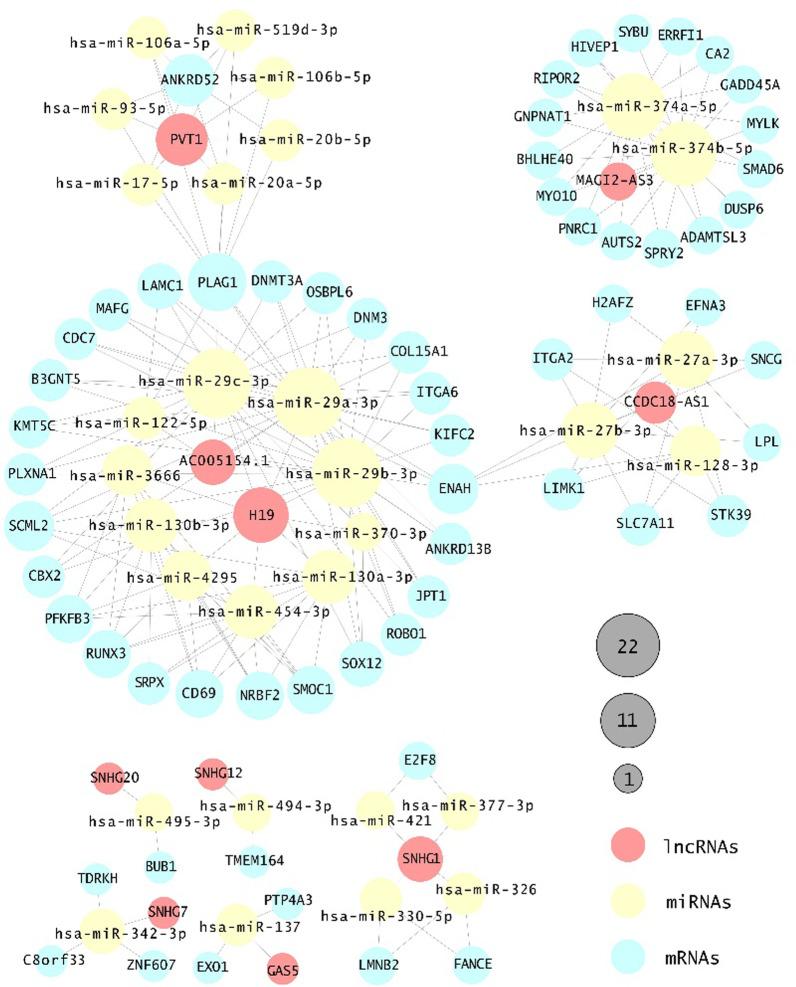
Expression was examined using the limma package of R and verified by Gene Expression Profiling Interactive Analysis. We also obtained miRNA expression data from StarBase to determine the lncRNA-miRNA-mRNA-related RNA regulatory network in HCC. Kaplan-Meier (KM) analysis was performed using the survival package of R. Gene Ontology annotation of genes was carried out using Metascape.
RESULTS
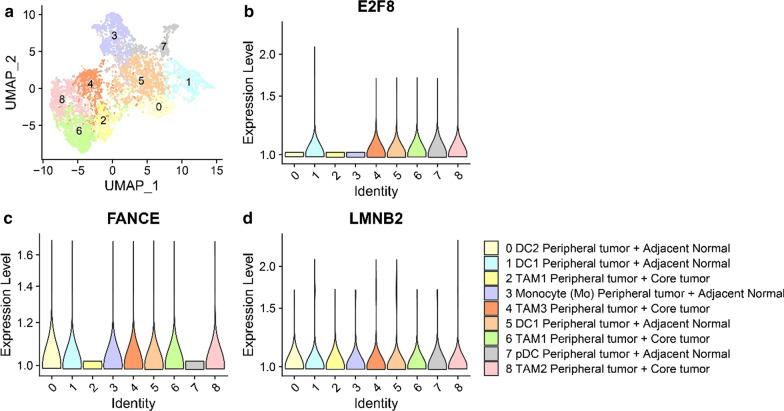
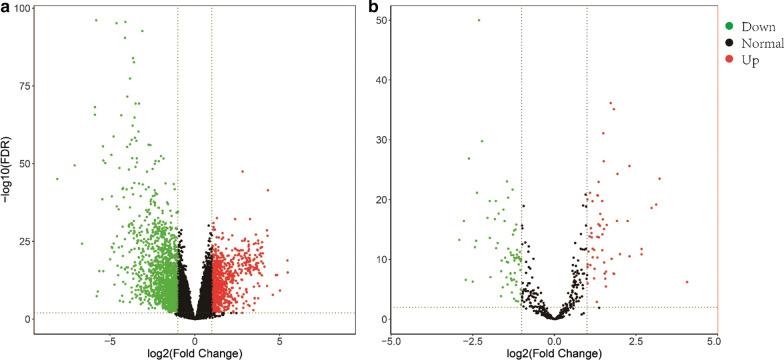
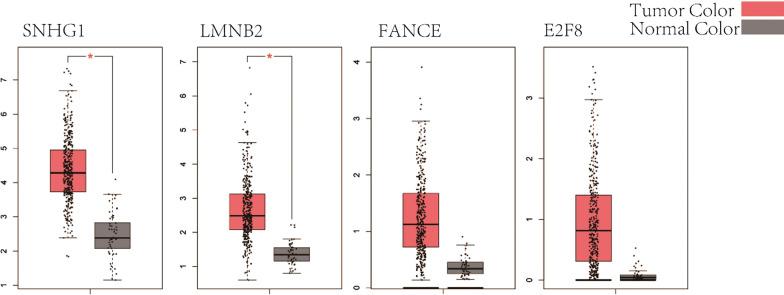
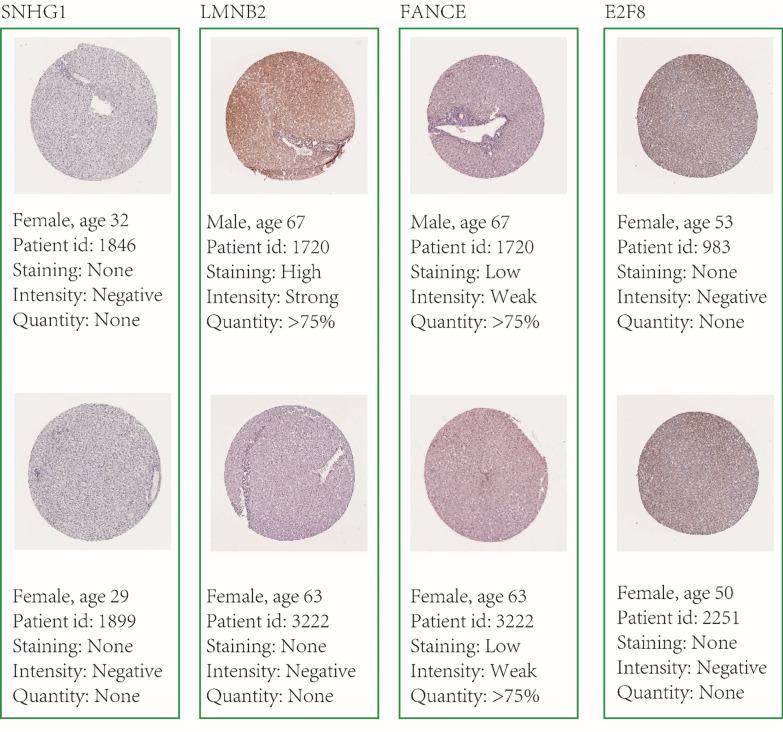
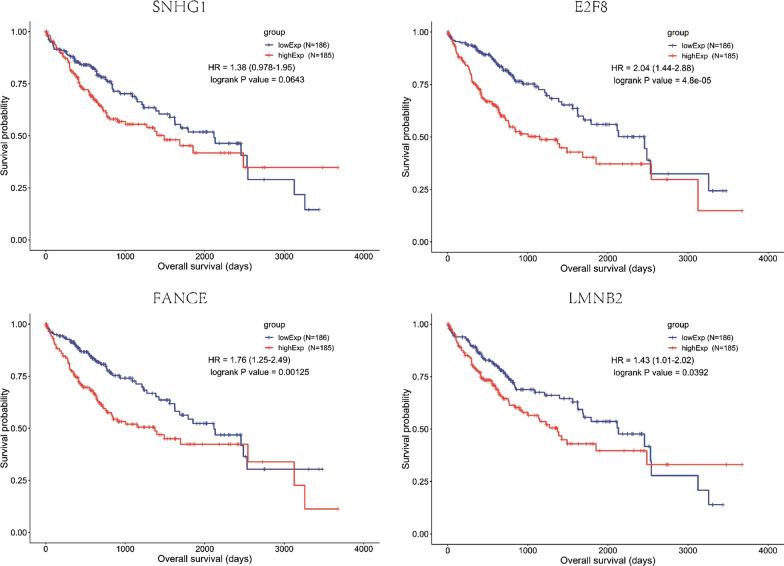
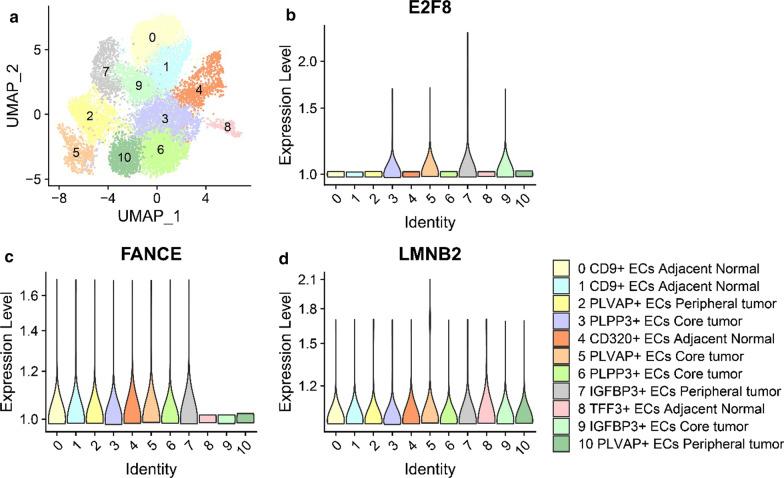
We found that SNHG1 was overexpressed and often amplified in HCC patients. In addition, SNHG1 upregulation was associated with the promotion of several primary biological functions, including cell proliferation, transcription and protein binding. Moreover, we found similar trends of small nucleolar RNA host gene 1 (SNHG1), E2F8 (E2F transcription factor 8), FANCE (FA complementation group E) and LMNB2 (encodes lamin B2) expression. In the SNHG1-associated network, high expression levels of SNHG1 (log-rank P value = 0.0643), E2F8 (log-rank P value = 0.000048), FANCE (log-rank P value = 0.00125) and LMNB2 (log-rank P value = 0.0392) were significantly associated with poor survival. Single-cell analysis showed that E2F8 may play an important role in tumorigenesis or cancer development.
CONCLUSIONS
Our results highlight the benefit of utilizing multiple datasets to understand the functional potential regulatory networks of SNHG1 and the role of SNHG1 in tumours.
背景
小核仁 RNA 宿主基因 1(SNHG1)是一种长链非编码 RNA(lncRNA),可作为转录物负调控肿瘤抑制基因,如 p53。SNHG1 表达异常与细胞增殖和癌症有关。我们使用从基因组数据共享下载的测序数据,分析了 SNHG1 在肝细胞癌(HCC)中的表达和相互作用网络。
方法
使用 R 中的 limma 包检查表达,并通过基因表达谱分析交互验证。我们还从 StarBase 获得 miRNA 表达数据,以确定 HCC 中的 lncRNA-miRNA-mRNA 相关 RNA 调控网络。使用 R 中的 survival 包进行 Kaplan-Meier(KM)分析。使用 Metascape 对基因进行基因本体注释。
结果
我们发现 SNHG1 在 HCC 患者中过度表达且经常扩增。此外,SNHG1 的上调与促进多种主要生物学功能有关,包括细胞增殖、转录和蛋白质结合。此外,我们发现小核仁 RNA 宿主基因 1(SNHG1)、E2F8(E2F 转录因子 8)、FANCE(FA 补体组 E)和 LMNB2(编码核层蛋白 B2)的表达趋势相似。在 SNHG1 相关网络中,SNHG1(log-rank P 值=0.0643)、E2F8(log-rank P 值=0.000048)、FANCE(log-rank P 值=0.00125)和 LMNB2(log-rank P 值=0.0392)的高表达水平与预后不良显著相关。单细胞分析表明,E2F8 可能在肿瘤发生或癌症发展中发挥重要作用。
结论
我们的结果强调了利用多个数据集来理解 SNHG1 的功能潜在调控网络及其在肿瘤中的作用的益处。
 Zotero 插件