
新研发的纳米生物材料β-磷酸三钙/聚-DL-乳酸在颌面重建手术中的应用可行性:一项大鼠初步研究
Feasibility of Application of the Newly Developed Nano-Biomaterial, β-TCP/PDLLA, in Maxillofacial Reconstructive Surgery: A Pilot Rat Study.
作者信息
Toda Erina, Bai Yunpeng, Sha Jingjing, Dong Quang Ngoc, Ngo Huy Xuan, Suyama Takashi, Miyamoto Kenichi, Matsuzaki Yumi, Kanno Takahiro
机构信息
Department of Oral and Maxillofacial Surgery, Shimane University Faculty of Medicine, 89-1 Enya-Cho, Izumo 693-8501, Shimane, Japan.
Department of Life Science, Shimane University Faculty of Medicine, 89-1 Enya-Cho, Izumo 693-8501, Shimane, Japan.
出版信息
Nanomaterials (Basel). 2021 Jan 25;11(2):303. doi: 10.3390/nano11020303.
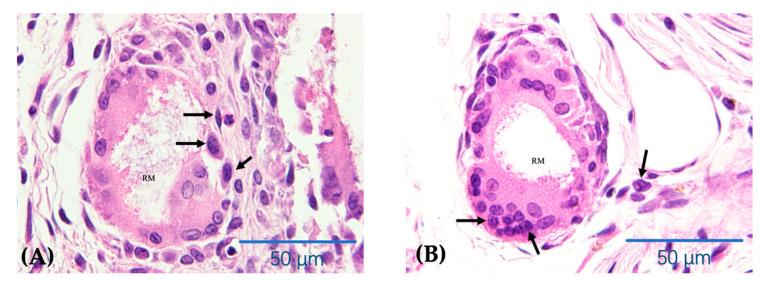
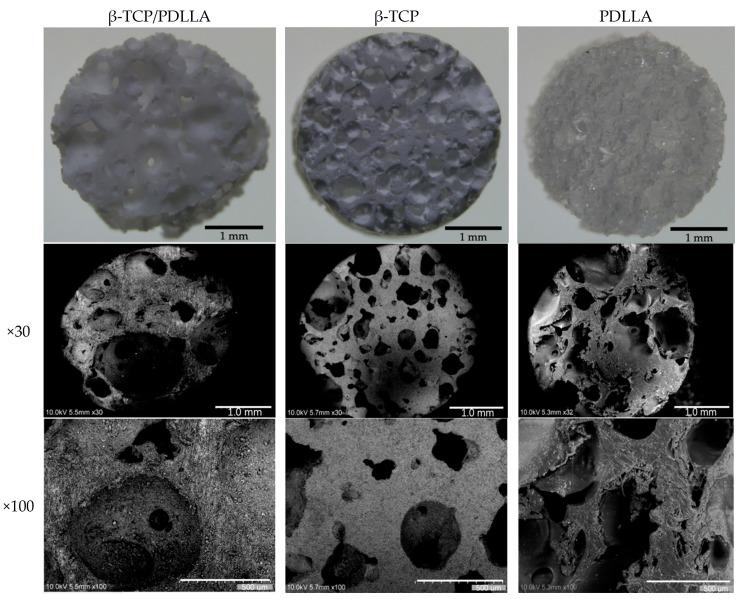
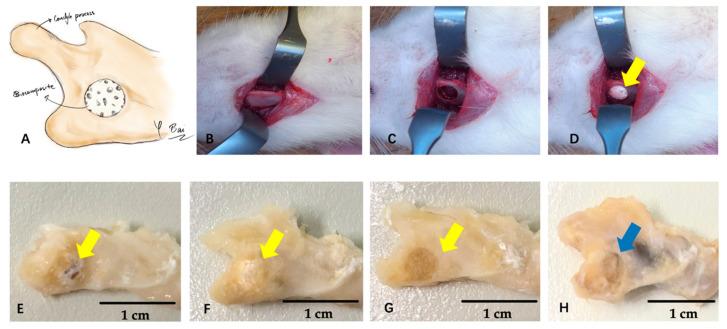
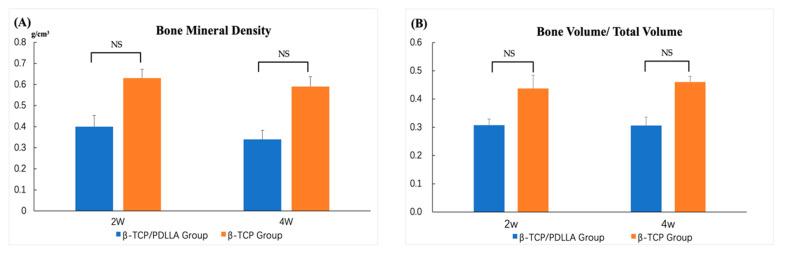
This study was performed to examine the applicability of the newly developed nano-biocomposite, β-tricalcium phosphate (β-TCP)/u-HA/poly-d/l-lactide (PDLLA), to bone defects in the oral and maxillofacial area. This novel nano-biocomposite showed several advantages, including biocompatibility, biodegradability, and osteoconductivity. In addition, its optimal plasticity also allowed its utilization in irregular critical bone defect reconstructive surgery. Here, three different nano-biomaterials, i.e., β-TCP/PDLLA, β-TCP, and PDLLA, were implanted into critical bone defects in the right lateral mandible of 10-week-old Sprague-Dawley (SD) rats as bone graft substitutes. Micro-computed tomography (Micro-CT) and immunohistochemical staining for the osteogenesis biomarkers, Runx2, osteocalcin, and the leptin receptor, were performed to investigate and compare bone regeneration between the groups. Although the micro-CT results showed the highest bone mineral density (BMD) and bone volume to total volume (BV/TV) with β-TCP, immunohistochemical analysis indicated better osteogenesis-promoting ability of β-TCP/PDLLA, especially at an early stage of the bone healing process. These results confirmed that the novel nano-biocomposite, β-TCP/PDLLA, which has excellent biocompatibility, bioresorbability and bioactive/osteoconductivity, has the potential to become a next-generation biomaterial for use as a bone graft substitute in maxillofacial reconstructive surgery.
本研究旨在考察新开发的纳米生物复合材料β-磷酸三钙(β-TCP)/u-羟基磷灰石(u-HA)/聚-d/l-丙交酯(PDLLA)在口腔颌面部骨缺损中的适用性。这种新型纳米生物复合材料具有多种优势,包括生物相容性、生物可降解性和骨传导性。此外,其最佳可塑性还使其能够用于不规则的临界骨缺损重建手术。在此,将三种不同的纳米生物材料,即β-TCP/PDLLA、β-TCP和PDLLA,作为骨移植替代物植入10周龄Sprague-Dawley(SD)大鼠右侧下颌骨的临界骨缺损处。采用微型计算机断层扫描(Micro-CT)以及对成骨生物标志物Runx2、骨钙素和瘦素受体进行免疫组织化学染色,来研究和比较各组之间的骨再生情况。尽管Micro-CT结果显示β-TCP组的骨矿物质密度(BMD)和骨体积与总体积之比(BV/TV)最高,但免疫组织化学分析表明β-TCP/PDLLA具有更好的促进成骨能力,尤其是在骨愈合过程的早期阶段。这些结果证实,新型纳米生物复合材料β-TCP/PDLLA具有优异的生物相容性、生物可吸收性和生物活性/骨传导性,有潜力成为颌面重建手术中用作骨移植替代物的下一代生物材料。



 Zotero 插件