
将人类大脑蛋白质组与全基因组关联数据整合表明,新的蛋白质与阿尔茨海默病的发病机制有关。
Integrating human brain proteomes with genome-wide association data implicates new proteins in Alzheimer's disease pathogenesis.
机构信息
Division of Mental Health, Atlanta VA Medical Center, Decatur, GA, USA.
Department of Psychiatry, Emory University School of Medicine, Atlanta, GA, USA.
出版信息
Nat Genet. 2021 Feb;53(2):143-146. doi: 10.1038/s41588-020-00773-z. Epub 2021 Jan 28.
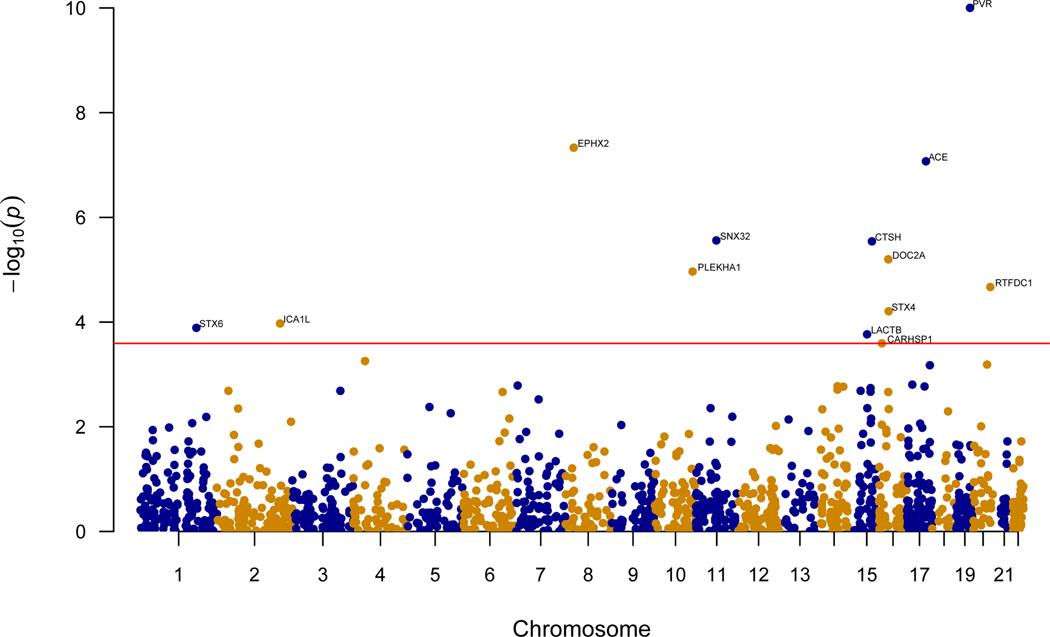
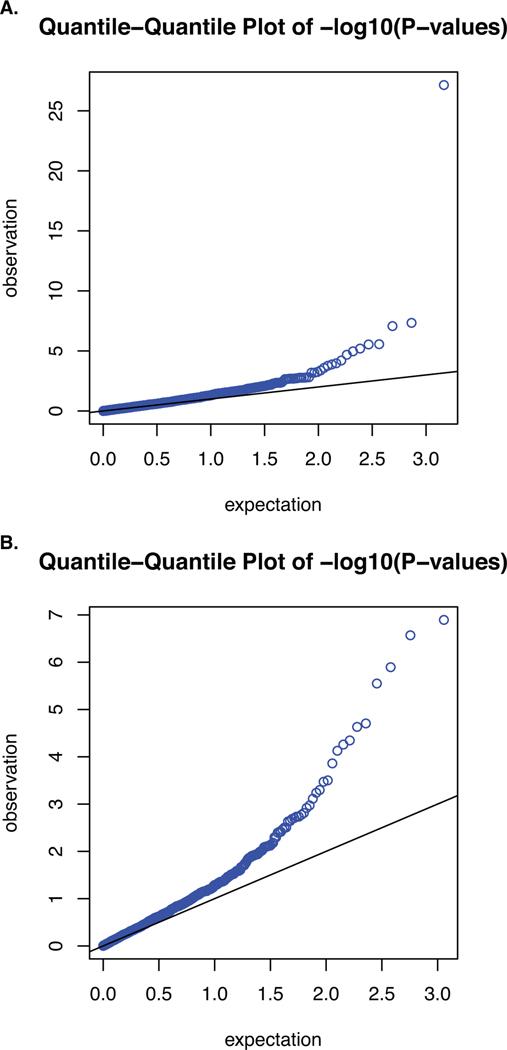
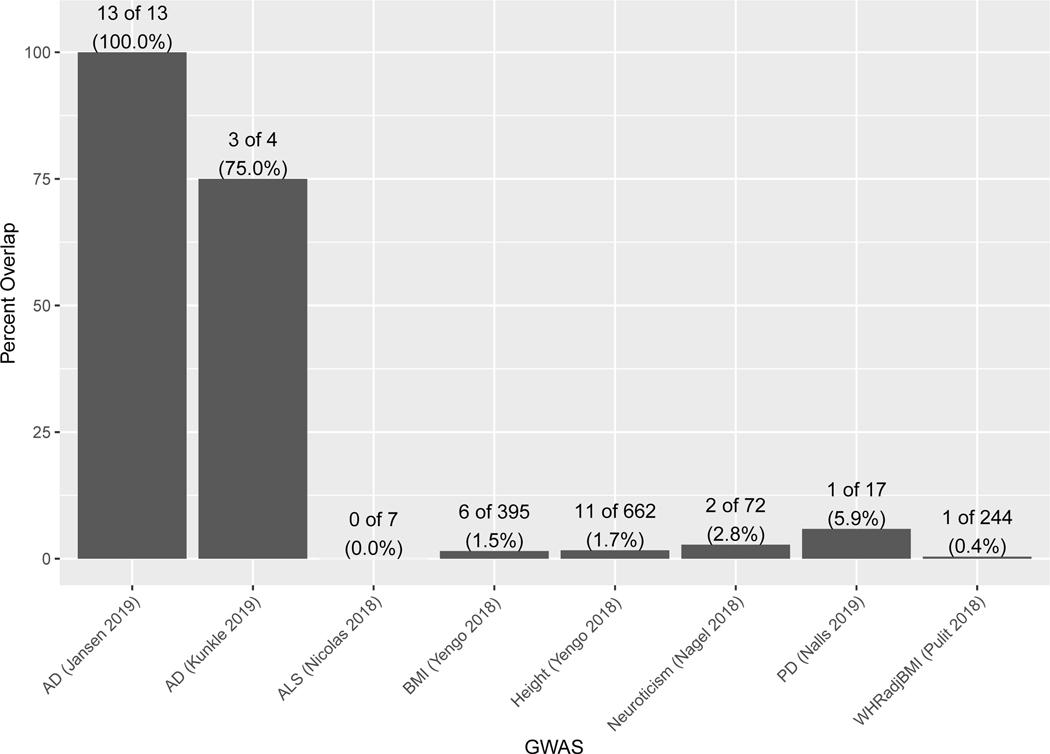
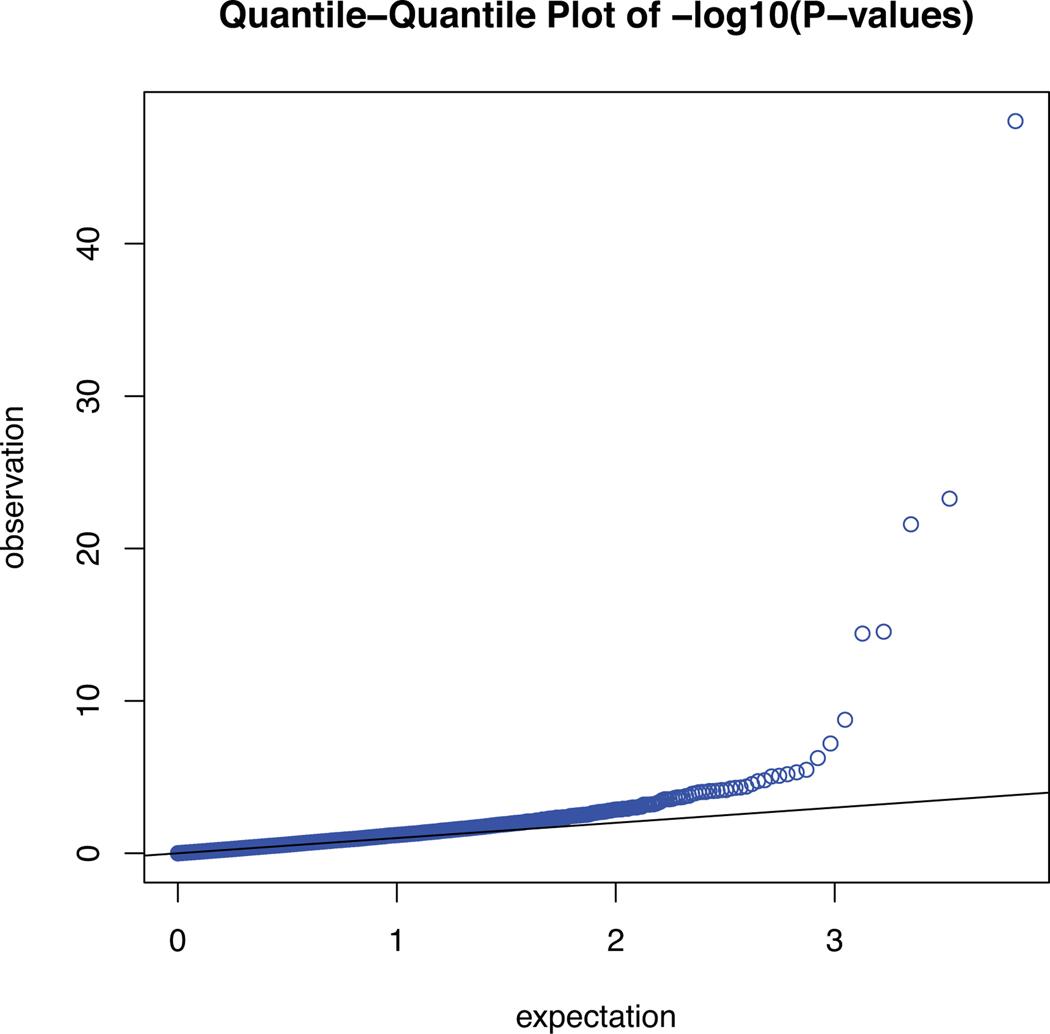
Genome-wide association studies (GWAS) have identified many risk loci for Alzheimer's disease (AD), but how these loci confer AD risk is unclear. Here, we aimed to identify loci that confer AD risk through their effects on brain protein abundance to provide new insights into AD pathogenesis. To that end, we integrated AD GWAS results with human brain proteomes to perform a proteome-wide association study (PWAS) of AD, followed by Mendelian randomization and colocalization analysis. We identified 11 genes that are consistent with being causal in AD, acting via their cis-regulated brain protein abundance. Nine replicated in a confirmation PWAS and eight represent new AD risk genes not identified before by AD GWAS. Furthermore, we demonstrated that our results were independent of APOE e4. Together, our findings provide new insights into AD pathogenesis and promising targets for further mechanistic and therapeutic studies.
全基因组关联研究(GWAS)已经确定了许多阿尔茨海默病(AD)的风险基因座,但这些基因座如何导致 AD 风险尚不清楚。在这里,我们旨在通过研究这些基因座对大脑蛋白质丰度的影响来确定导致 AD 风险的基因座,从而为 AD 的发病机制提供新的见解。为此,我们将 AD GWAS 结果与人类大脑蛋白质组整合,进行 AD 的全蛋白质组关联研究(PWAS),然后进行孟德尔随机化和共定位分析。我们确定了 11 个与 AD 因果关系一致的基因,这些基因通过其顺式调节的大脑蛋白质丰度起作用。其中 9 个在确认的 PWAS 中得到了复制,8 个代表了以前 AD GWAS 未发现的新的 AD 风险基因。此外,我们证明了我们的结果与 APOE e4 无关。总之,我们的研究结果为 AD 的发病机制提供了新的见解,并为进一步的机制和治疗研究提供了有前途的靶点。
 Zotero 插件