
基于分层支持向量回归的Caco-2通透性计算机模拟模型的开发
Development of a Hierarchical Support Vector Regression-Based In Silico Model for Caco-2 Permeability.
作者信息
Ta Giang Huong, Jhang Cin-Syong, Weng Ching-Feng, Leong Max K
机构信息
Department of Chemistry, National Dong Hwa University, Shoufeng, Hualien 974301, Taiwan.
Department of Physiology, School of Basic Medical Science, Xiamen Medical College, Xiamen 361023, China.
出版信息
Pharmaceutics. 2021 Jan 28;13(2):174. doi: 10.3390/pharmaceutics13020174.
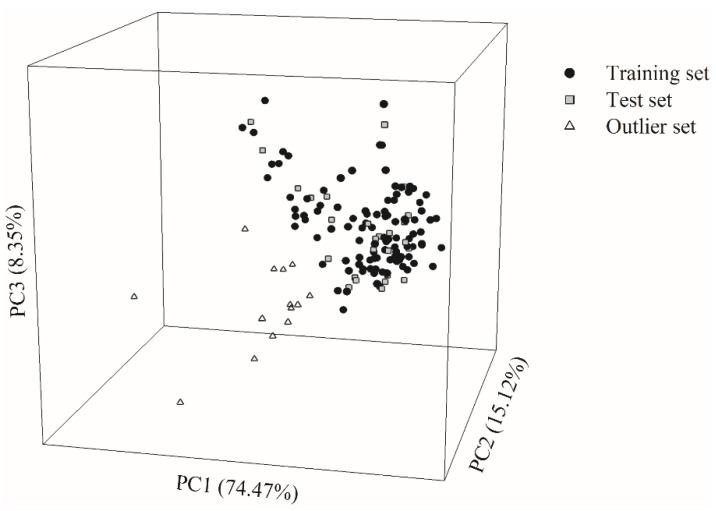
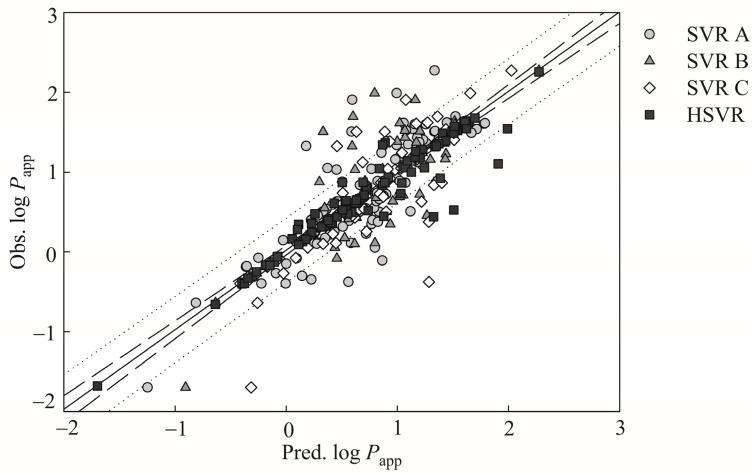
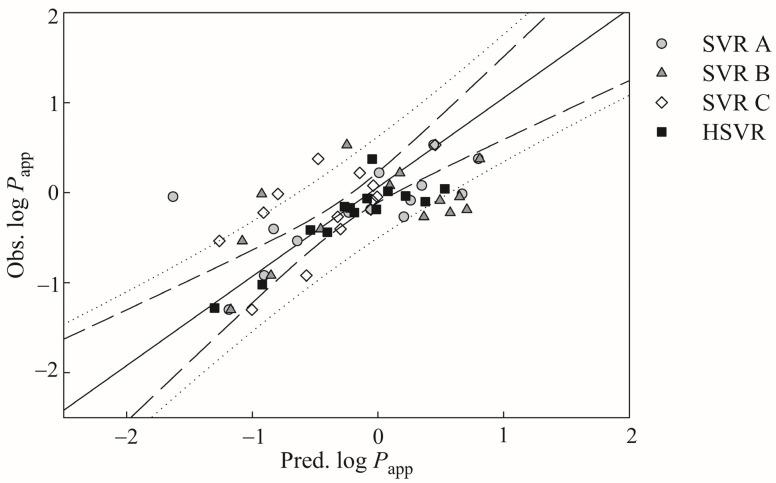
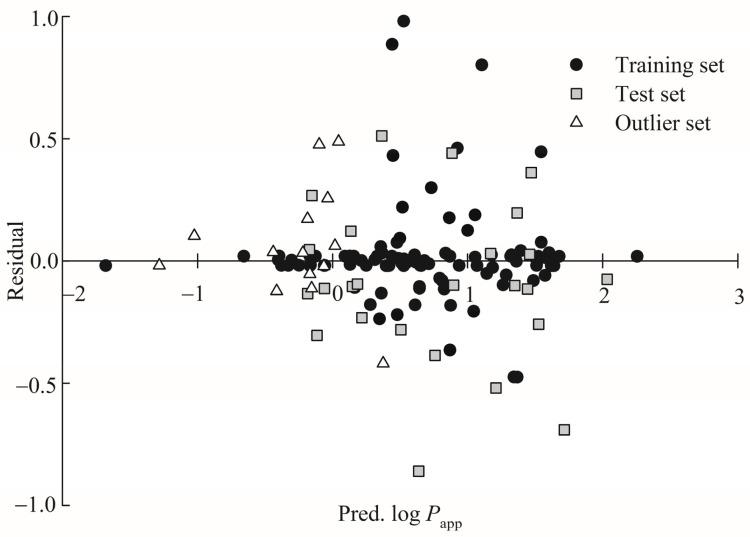
Drug absorption is one of the critical factors that should be taken into account in the process of drug discovery and development. The human colon carcinoma cell layer (Caco-2) model has been frequently used as a surrogate to preliminarily investigate the intestinal absorption. In this study, a quantitative structure-activity relationship (QSAR) model was generated using the innovative machine learning-based hierarchical support vector regression (HSVR) scheme to depict the exceedingly confounding passive diffusion and transporter-mediated active transport. The HSVR model displayed good agreement with the experimental values of the training samples, test samples, and outlier samples. The predictivity of HSVR was further validated by a mock test and verified by various stringent statistical criteria. Consequently, this HSVR model can be employed to forecast the Caco-2 permeability to assist drug discovery and development.
药物吸收是药物研发过程中需要考虑的关键因素之一。人结肠癌细胞层(Caco-2)模型经常被用作初步研究肠道吸收的替代模型。在本研究中,使用基于创新机器学习的分层支持向量回归(HSVR)方案生成了一个定量构效关系(QSAR)模型,以描述极其复杂的被动扩散和转运体介导的主动转运。HSVR模型与训练样本、测试样本和异常值样本的实验值显示出良好的一致性。HSVR的预测能力通过模拟测试进一步验证,并通过各种严格的统计标准进行了验证。因此,该HSVR模型可用于预测Caco-2通透性,以辅助药物研发。


 Zotero 插件