
机械性脑损伤增加了胱硫醚β-合酶和谷氨酰胺合成酶在幼鲑鱼头状骨中的表达,但降低了 Pax2 的表达。
Mechanical Brain Injury Increases Cells' Production of Cystathionine β-Synthase and Glutamine Synthetase, but Reduces Pax2 Expression in the Telencephalon of Juvenile Chum Salmon, .
机构信息
A.V. Zhirmunsky National Scientific Center of Marine Biology, Far East Branch, Russian Academy of Sciences, 690041 Vladivostok, Russia.
出版信息
Int J Mol Sci. 2021 Jan 28;22(3):1279. doi: 10.3390/ijms22031279.
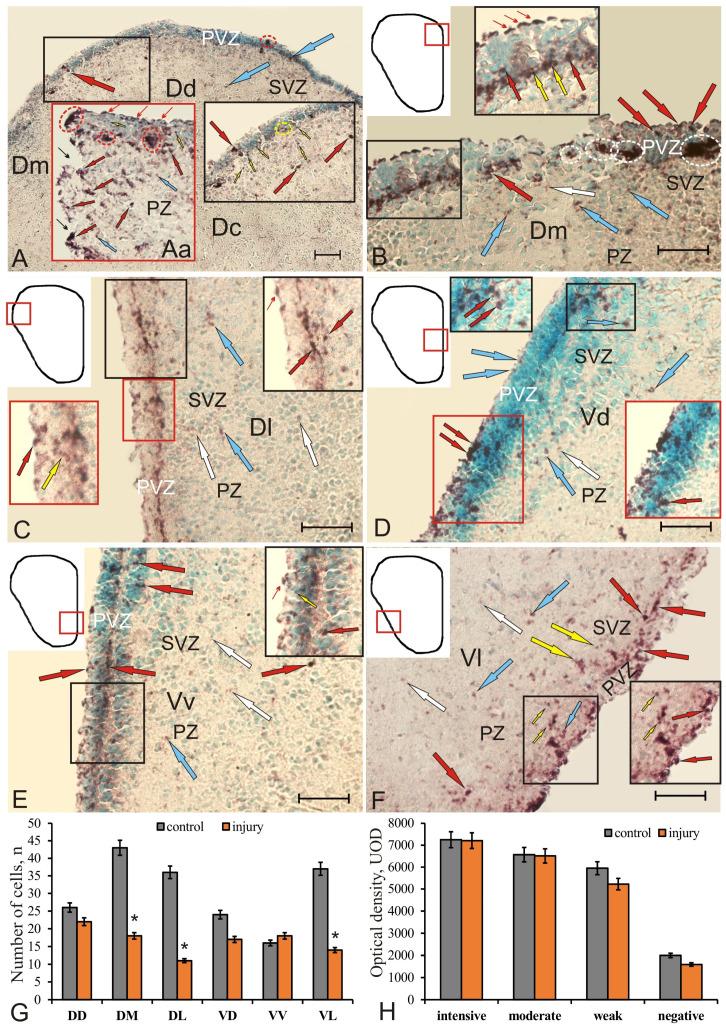
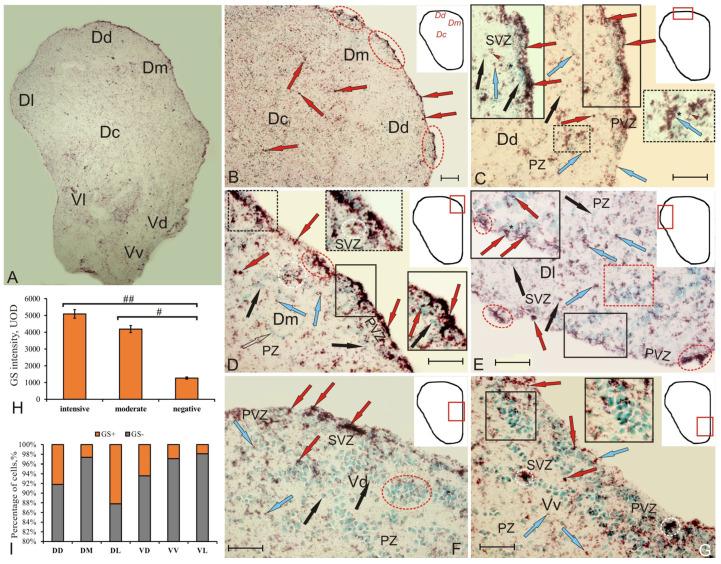
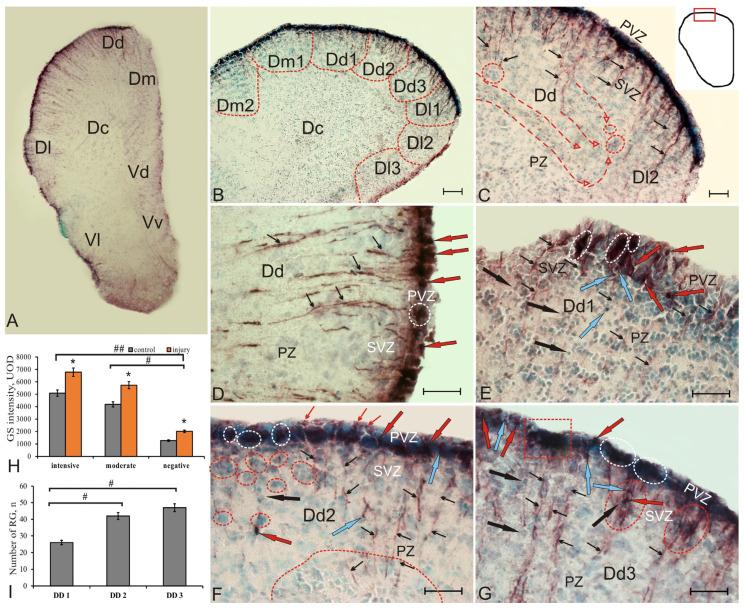
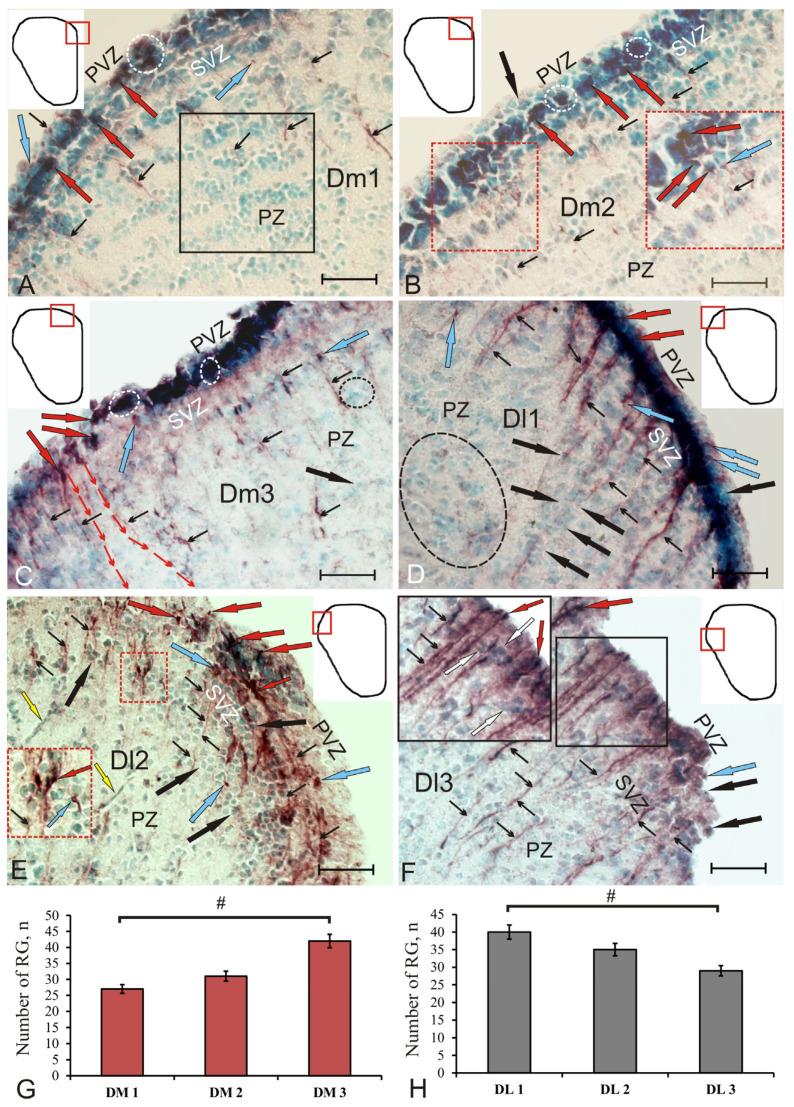
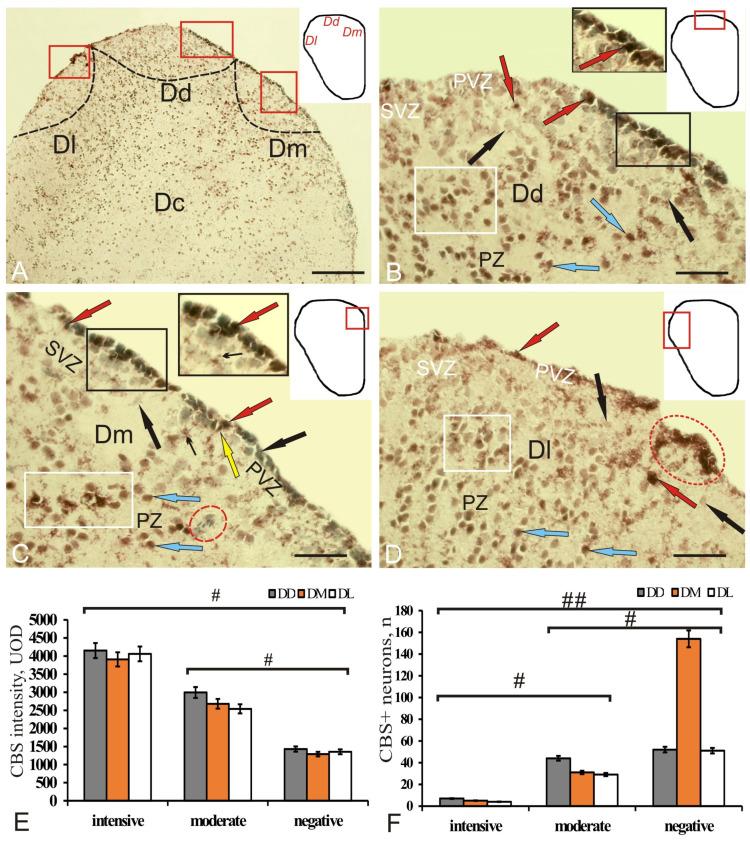
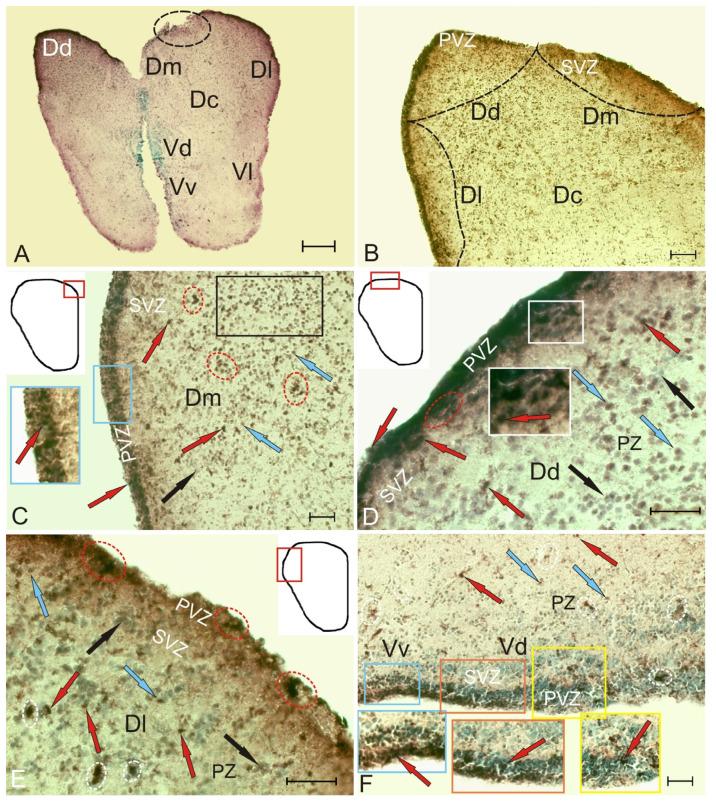
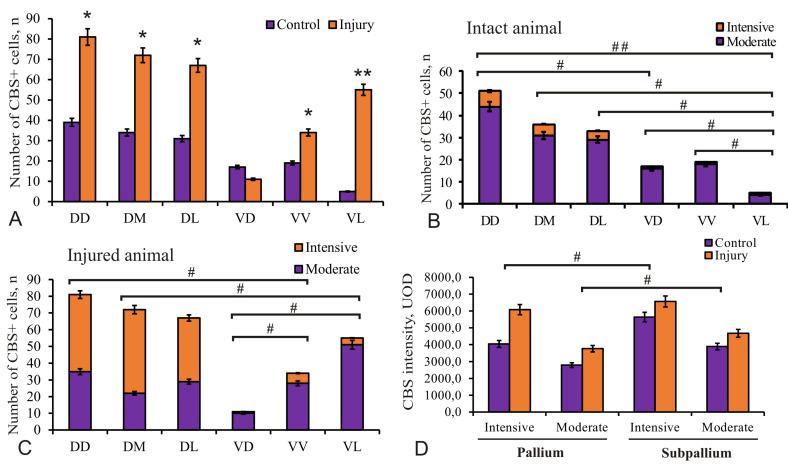
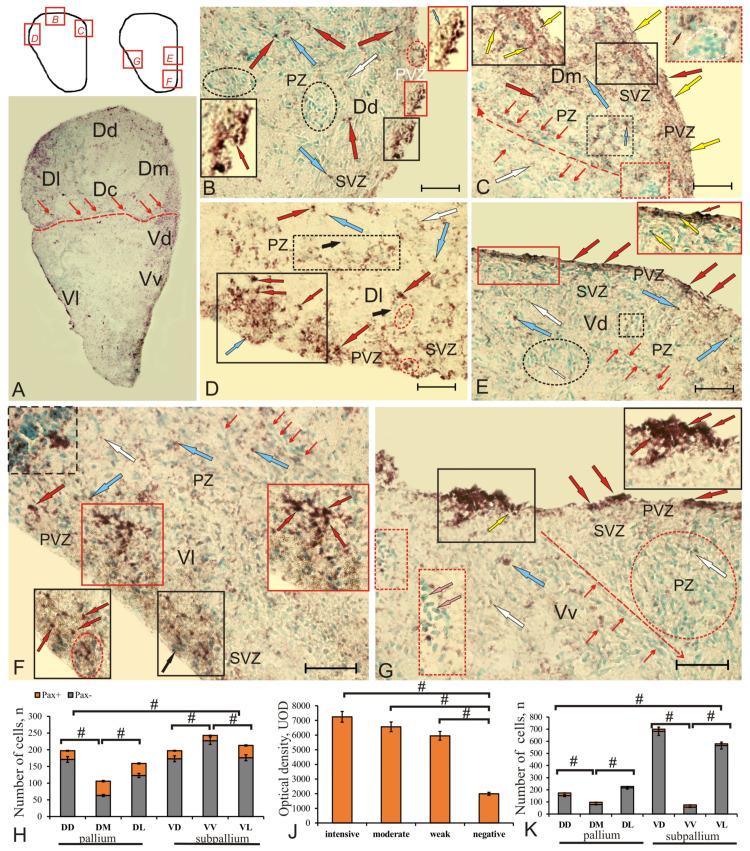
The considerable post-traumatic brain recovery in fishes makes them a useful model for studying the mechanisms that provide reparative neurogenesis, which is poorly represented in mammals. After a mechanical injury to the telencephalon in adult fish, lost neurons are actively replaced due to the proliferative activity of neuroepithelial cells and radial glia in the neurogenic periventricular zone. However, it is not enough clear which signaling mechanisms are involved in the activation of adult neural stem cells (aNSC) after the injury (reactive proliferation) and in the production of new neurons (regenerative neurogenesis) from progenitor cells (NPC). In juvenile Pacific salmon, the predominant type of NSCs in the telencephalon are neuroepithelial cells corresponding to embryonic NSCs. Expression of glutamine synthetase (GS), a NSC molecular marker, was detected in the neuroepithelial cells of the pallium and subpallium of juvenile chum salmon, . At 3 days after a traumatic brain injury (TBI) in juvenile chum salmon, the GS expression was detected in the radial glia corresponding to aNSC in the pallium and subpallium. The maximum density of distribution of GS radial glia was found in the dorsal pallial region. Hydrogen sulfide (HS) is a proneurogenic factor that reduces oxidative stress and excitotoxicity effects, along with the increased GS production in the brain cells of juvenile chum salmon. In the fish brain, HS producing by cystathionine β-synthase in neurogenic zones may be involved in maintaining the microenvironment that provides optimal conditions for the functioning of neurogenic niches during constitutive neurogenesis. After injury, HS can determine cell survivability, providing a neuroprotective effect in the area of injury and reducing the process of glutamate excitotoxicity, acting as a signaling molecule involved in changing the neurogenic environment, which leads to the reactivation of neurogenic niches and cell regeneration programs. The results of studies on the control of the expression of regulatory Sonic Hedgehog genes (Shh) and the transcription factors Paired Box2 (Pax2) regulated by them are still insufficient. A comparative analysis of Pax2 expression in the telencephalon of intact chum salmon showed the presence of constitutive patterns of expression in neurogenic areas and non-neurogenic parenchymal zones of the pallium and subpallium. After mechanical injury, the patterns of expression changed, and the amount of Pax2 decreased ( < 0.05) in lateral (Dl), medial (Dm) zones of the pallium, and the lateral zone (Vl) of the subpallium compared to the control. We believe that the decrease in the expression of Pax2 may be caused by the inhibitory effect of the Pax6 transcription factor, whose expression in the juvenile salmon brain increases upon injury.
鱼类在创伤后具有显著的大脑恢复能力,这使它们成为研究提供修复性神经发生机制的有用模型,而哺乳动物中的这种机制则表现不佳。在成年鱼类的端脑受到机械损伤后,由于神经上皮细胞和放射状胶质细胞在神经发生的脑室周区的增殖活性,丢失的神经元会被主动替换。然而,目前还不清楚哪些信号机制参与了受伤后(反应性增殖)和祖细胞(NPC)产生新神经元(再生神经发生)时成年神经干细胞(aNSC)的激活。在幼年太平洋三文鱼中,端脑中主要的神经干细胞类型是神经上皮细胞,对应于胚胎神经干细胞。在幼年大麻哈鱼的大脑皮层和皮层下区的神经上皮细胞中检测到谷氨酰胺合成酶(GS)的表达,这是神经干细胞的分子标志物。在幼年大麻哈鱼的创伤性脑损伤(TBI)后 3 天,在皮层和皮层下区的放射状胶质细胞中检测到 GS 的表达。GS 放射状胶质细胞的最大分布密度出现在背侧皮层区。硫化氢(HS)是一种促神经发生因子,可降低氧化应激和兴奋毒性作用,同时增加幼鲑脑细胞中的 GS 产量。在鱼类大脑中,神经发生区中的胱硫醚β-合酶产生的 HS 可能参与维持为神经发生龛提供最佳条件的微环境,以维持组成性神经发生。受伤后,HS 可以确定细胞的存活能力,在损伤区域提供神经保护作用,并减少谷氨酸兴奋毒性过程,作为一种参与改变神经发生环境的信号分子,从而导致神经发生龛和细胞再生程序的重新激活。目前对调控 Sonic Hedgehog 基因(Shh)表达的调节因子的研究结果和受其调控的转录因子 Paired Box2(Pax2)的表达仍不够充分。对完整大麻哈鱼端脑的 Pax2 表达进行的比较分析表明,在神经发生区和皮层及皮层下的非神经发生实质区存在组成型表达模式。机械损伤后,与对照组相比, 表达模式发生变化,Pax2 的量减少(<0.05),在皮层的外侧(Dl)、内侧(Dm)区和皮层下的外侧区(Vl)。我们认为,Pax2 表达的减少可能是由于 Pax6 转录因子的抑制作用所致,该转录因子在幼鲑鱼脑损伤时表达增加。


 Zotero 插件