
1-氨基环丙烷-1-羧酸(ACC)脱氨酶产生菌MAP1提高小麦耐渍性的分子机制
Molecular Mechanisms of the 1-Aminocyclopropane-1-Carboxylic Acid (ACC) Deaminase Producing MAP1 in Enhancing Wheat Tolerance to Waterlogging Stress.
作者信息
Rauf Mamoona, Awais Muhammad, Ud-Din Aziz, Ali Kazim, Gul Humaira, Rahman Muhammad Mizanur, Hamayun Muhammad, Arif Muhammad
机构信息
Department of Botany, Abdul Wali Khan University Mardan, Mardan, Pakistan.
Graduate School of Biotechnology, College of Life Sciences, Kyung Hee University, Yongin-si, South Korea.
出版信息
Front Plant Sci. 2021 Jan 18;11:614971. doi: 10.3389/fpls.2020.614971. eCollection 2020.
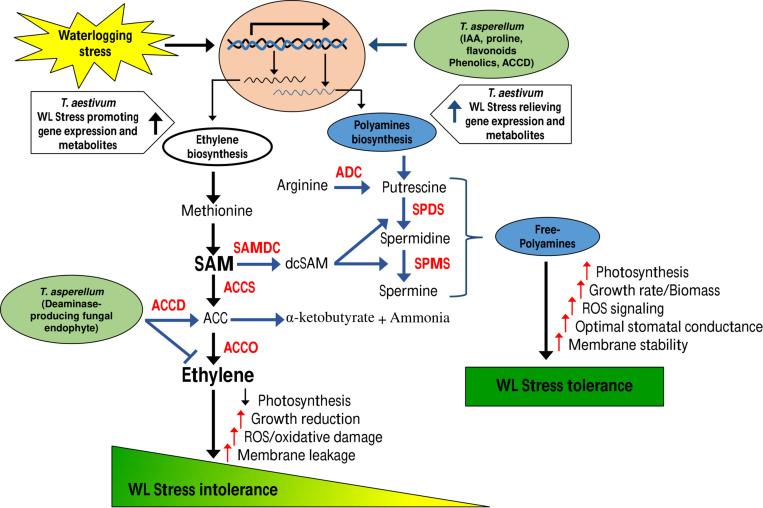
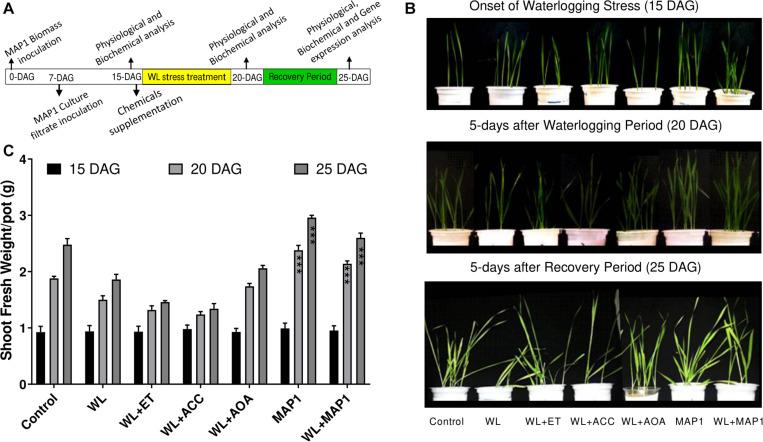
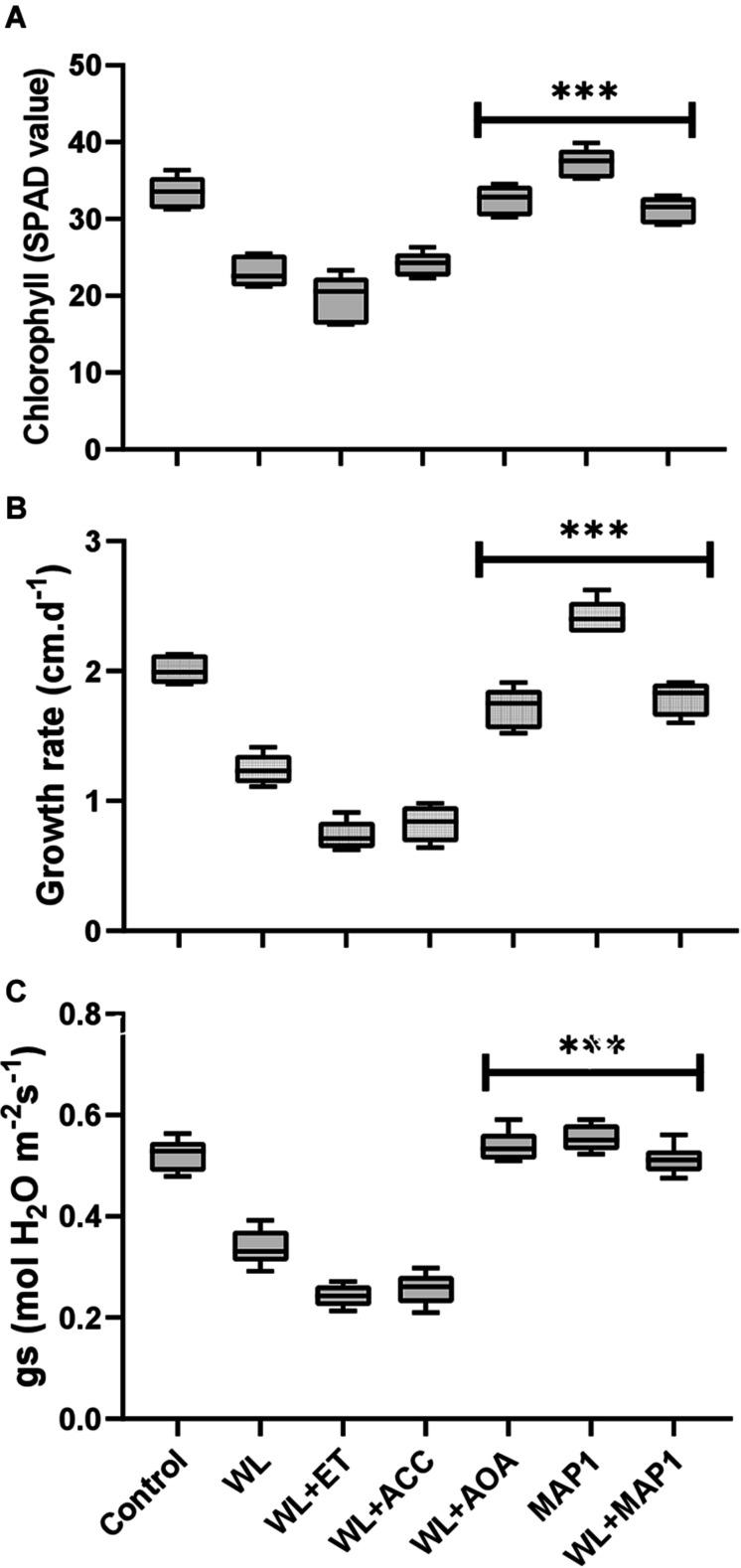
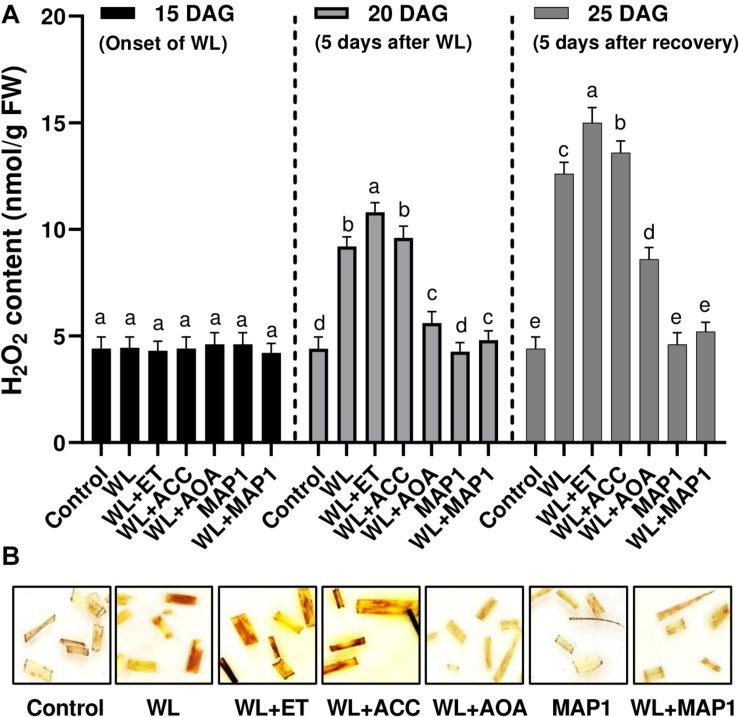
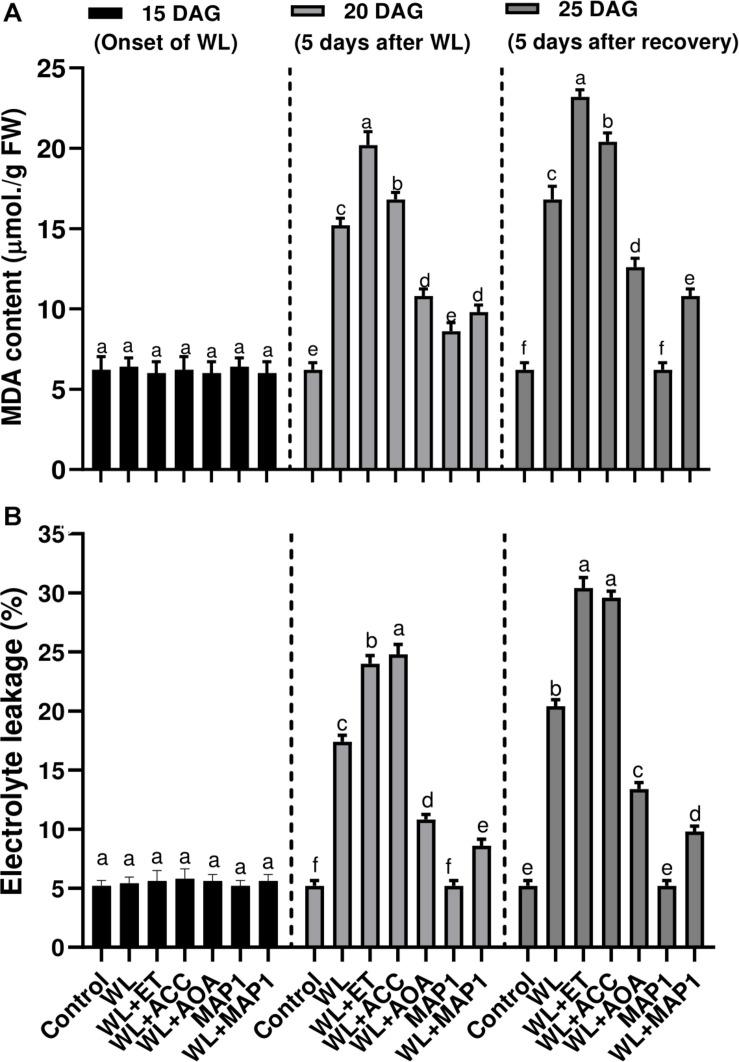
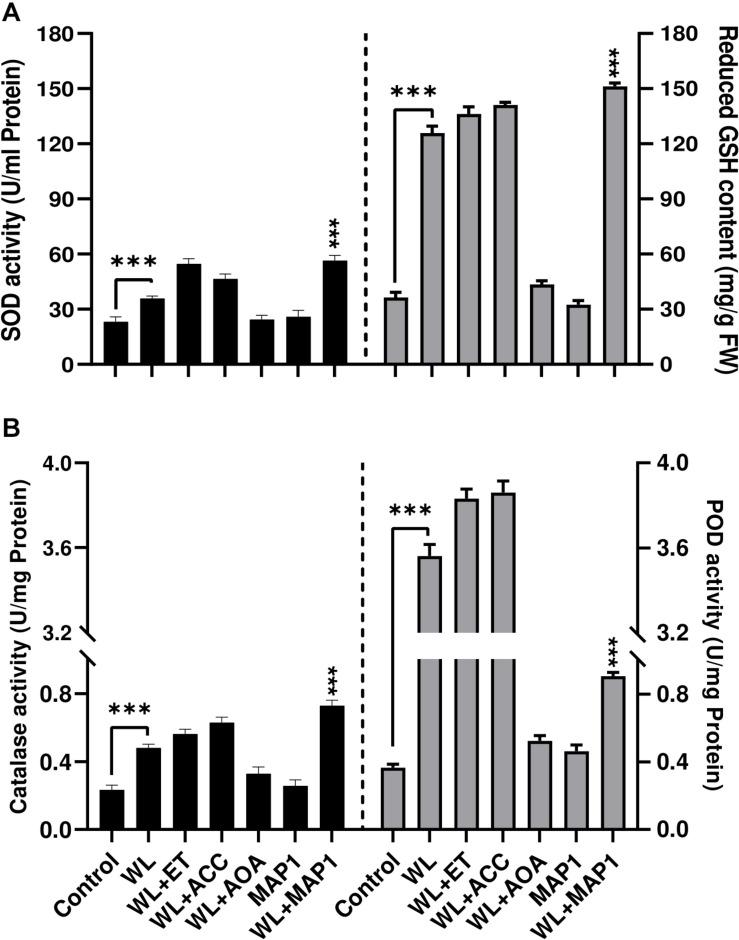
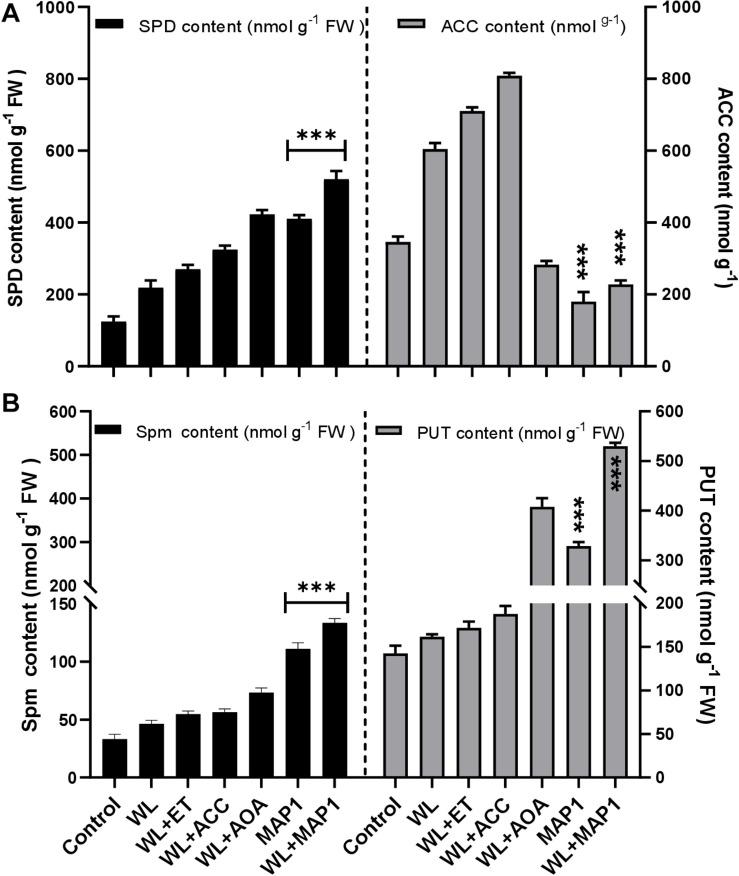
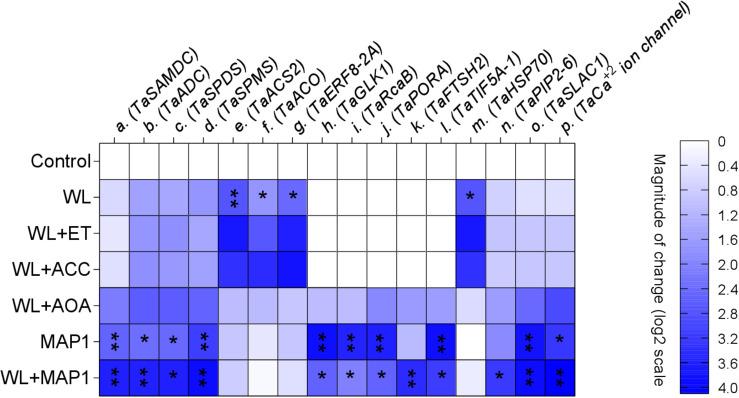
Waterlogging stress (WS) induces ethylene (ET) and polyamine (spermine, putrescine, and spermidine) production in plants, but their reprogramming is a decisive element for determining the fate of the plant upon waterlogging-induced stress. WS can be challenged by exploring symbiotic microbes that improve the plant's ability to grow better and resist WS. The present study deals with identification and application of 1-aminocyclopropane-1-carboxylic acid (ACC) deaminase-producing fungal endophyte (strain MAP1), isolated from the roots of L., on wheat growth under WS. MAP1 positively affected wheat growth by secreting phytohormones/secondary metabolites, strengthening the plant's antioxidant system and influencing the physiology through polyamine production and modulating gene expression. MAP1 inoculation promoted yield in comparison to non-endophyte inoculated waterlogged seedlings. Exogenously applied ethephon (ET synthesis inducer) and 1-aminocyclopropane carboxylic acid (ACC; ET precursor) showed a reduction in growth, compared to MAP1-inoculated waterlogged seedlings, while amino-oxyacetic acid (AOA; ET inhibitor) application reversed the negative effect imposed by ET and ACC, upon waterlogging treatment. A significant reduction in plant growth rate, chlorophyll content, and stomatal conductance was noticed, while HO, MDA production, and electrolyte leakage were increased in non-inoculated waterlogged seedlings. Moreover, in comparison to non-inoculated waterlogged wheat seedlings, MAP1-inoculated waterlogged wheat exhibited antioxidant-enzyme activities. In agreement with the physiological results, genes associated with the free polyamine (PA) biosynthesis were highly induced and PA content was abundant in MAP1-inoculated seedlings. Furthermore, ET biosynthesis/signaling gene expression was reduced upon MAP1 inoculation under WS. Briefly, MAP1 mitigated the adverse effect of WS in wheat, by reprogramming the PAs and ET biosynthesis, which leads to optimal stomatal conductance, increased photosynthesis, and membrane stability as well as reduced ET-induced leaf senescence.
涝渍胁迫(WS)会诱导植物产生乙烯(ET)和多胺(精胺、腐胺和亚精胺),但其重新编程是决定植物在涝渍诱导胁迫下命运的关键因素。可以通过探索共生微生物来应对WS,这些微生物能够提高植物更好生长和抵抗WS的能力。本研究涉及从L.根部分离出的产1-氨基环丙烷-1-羧酸(ACC)脱氨酶的真菌内生菌(菌株MAP1)在WS条件下对小麦生长的鉴定和应用。MAP1通过分泌植物激素/次生代谢产物、增强植物抗氧化系统以及通过多胺产生和调节基因表达来影响生理过程,从而对小麦生长产生积极影响。与未接种内生菌的涝渍幼苗相比,接种MAP1提高了产量。与接种MAP1的涝渍幼苗相比,外源施用乙烯利(ET合成诱导剂)和1-氨基环丙烷羧酸(ACC;ET前体)导致生长减少,而施用氨基氧乙酸(AOA;ET抑制剂)则逆转了ET和ACC在涝渍处理时所施加的负面影响。在未接种的涝渍幼苗中,观察到植物生长速率、叶绿素含量和气孔导度显著降低,而过氧化氢(HO)、丙二醛(MDA)产量和电解质渗漏增加。此外,与未接种的涝渍小麦幼苗相比,接种MAP1的涝渍小麦表现出抗氧化酶活性。与生理结果一致,在接种MAP1的幼苗中,与游离多胺(PA)生物合成相关的基因被高度诱导且PA含量丰富。此外,在WS条件下接种MAP1后,ET生物合成/信号转导基因的表达降低。简而言之,MAP1通过重新编程PA和ET生物合成来减轻WS对小麦的不利影响,从而导致最佳气孔导度、增加光合作用和膜稳定性以及减少ET诱导的叶片衰老。


 Zotero 插件